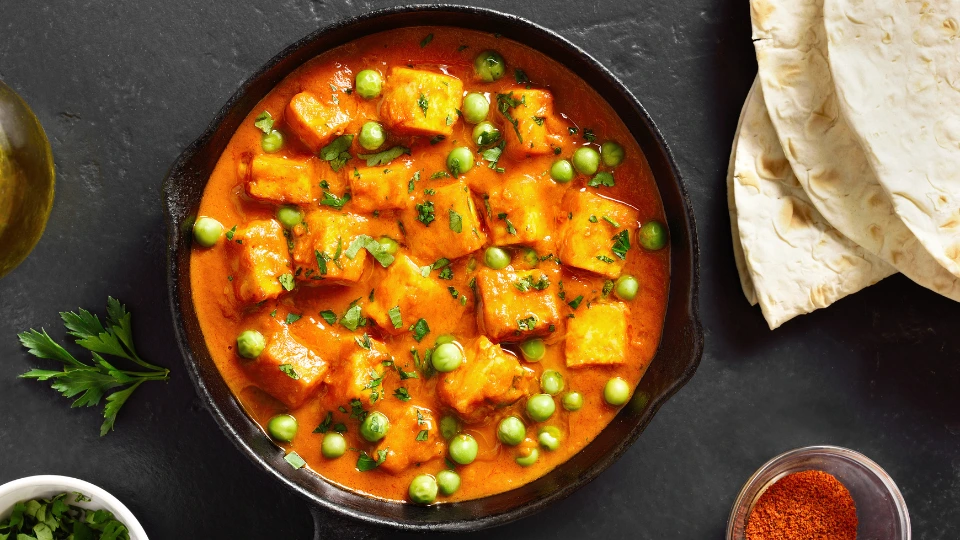
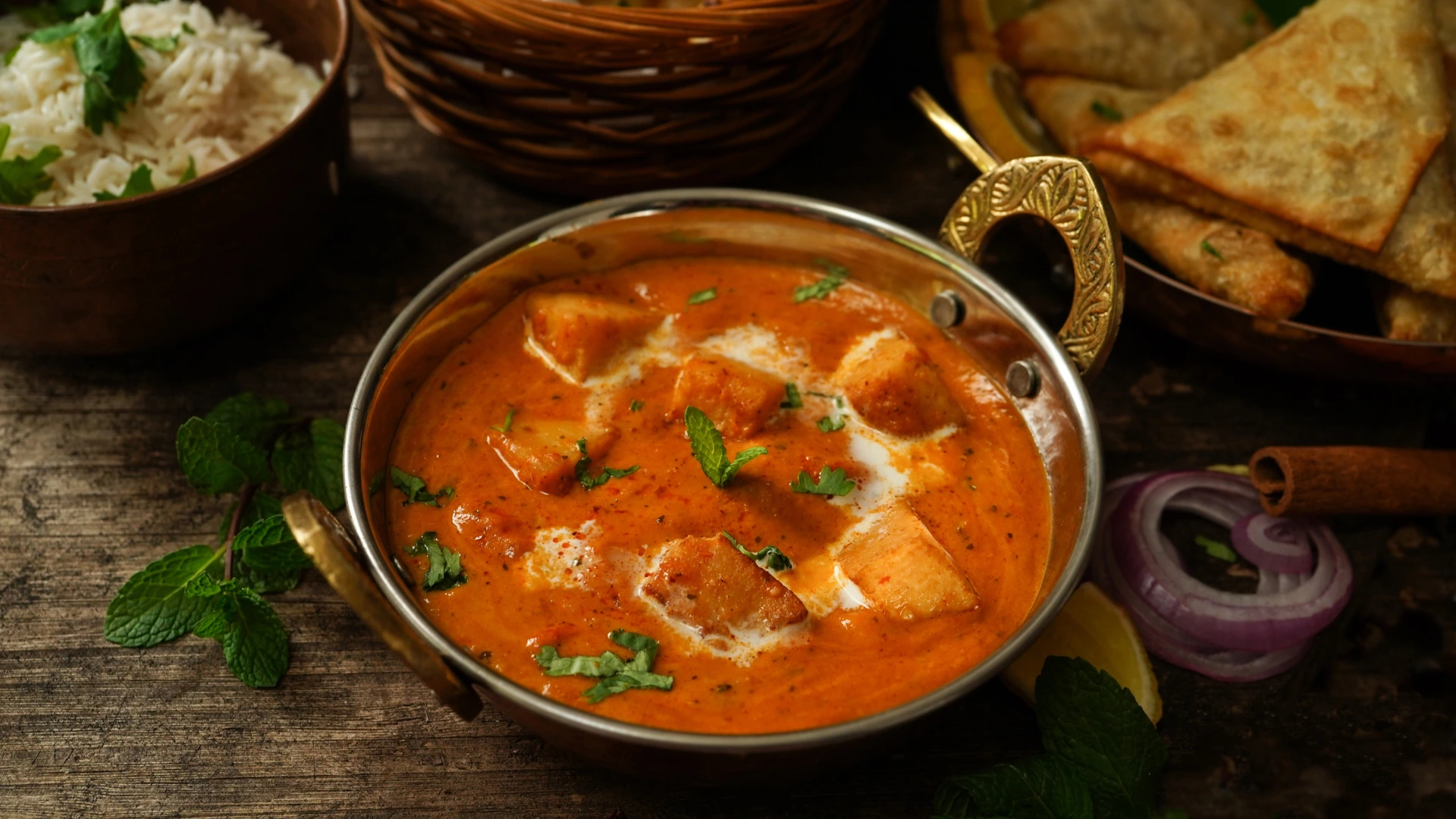
Tag: paneer butter masala

  • How to Cook Perfect Paneer Butter Masala Easily

    How to Cook Perfect Paneer Butter Masala Easily

    Introduction

    There’s something magical about the first bite of creamy, flavorful paneer butter masala. Whether it’s a family dinner or a festive occasion, this iconic North Indian dish never fails to impress. Imagine soft cubes of paneer enveloped in a rich, buttery tomato gravy infused with aromatic spices — pure comfort food! If you’ve ever wondered how restaurants like Maharaja Riyasat achieve that flawless balance of creaminess and spice, you’re not alone. This guide will teach you exactly how to cook perfect paneer butter masala easily at home while maintaining that royal restaurant-style flavor.

    Cooking paneer butter masala at home doesn’t need to be complicated. With the right ingredients, steps, and a touch of culinary mindfulness, you can master this dish even if you’re new to Indian cuisine. In this blog, we’ll walk you through the process — from choosing quality ingredients to understanding the science of the gravy — ensuring every bite tastes luxurious. Ready to create a dish fit for royalty? Let’s dive in and learn how to bring the rich flavors of Maharaja Riyasat right to your kitchen. Visit MaharajaRiyasat for more authentic Indian food experiences!


    Things to Know Before Cooking Paneer Butter Masala

    Before you jump into the actual cooking process, it’s important to understand the key elements that make paneer butter masala special. The quality of your ingredients, the technique of blending spices, and even the timing of adding cream can dramatically change the outcome. Each step plays a role in achieving that velvety texture and deep flavor you crave.

    In this section, we’ll cover the fundamental factors you must know before making this royal dish — from choosing the right paneer to mastering the butter-tomato balance. Understanding these essentials will help you create paneer butter masala that’s restaurant-quality every single time.


    1. Choosing the Right Paneer for Creamy Texture

    Good paneer butter masala starts with good paneer. Always opt for fresh, soft paneer that melts gently in your mouth. Store-bought paneer can work, but homemade paneer is best — it’s softer, fresher, and absorbs the gravy better. You can make paneer at home using full-fat milk and lemon juice or vinegar. Let it rest for a while before cutting into cubes for a firmer yet smooth texture.

    When selecting paneer, ensure it’s not rubbery. The freshness impacts the texture of your curry. Fresh paneer easily absorbs flavors from the tomato and butter base, giving you that restaurant-style richness. You can also soak paneer cubes in warm water for 10 minutes before adding them to the gravy for extra softness.


    2. Selecting the Perfect Tomatoes and Spices

    Tomatoes form the heart of paneer butter masala. Always go for ripe, red, and slightly tangy tomatoes — preferably Roma or plum types. The blend of sweetness and acidity determines the depth of flavor. Combine this with essential spices like cumin, garam masala, and Kashmiri red chili powder for that vibrant color without overwhelming heat.

    Balancing spices is key. Using too much chili can overpower the butteriness, while too little leaves the dish flat. Toasting whole spices briefly before blending enhances their aroma. This spice-tempering step, called “tadka,” is what gives paneer butter masala its authentic Indian character.


    3. Importance of Butter and Cream Balance

    Butter and cream are what make this dish indulgent. Using unsalted butter ensures you control the seasoning better. Start with butter for sautéing your onions and tomatoes, and finish with cream for richness. This layering technique gives your gravy a silky mouthfeel that’s characteristic of restaurant-quality paneer butter masala.

    If you’re health-conscious, substitute with ghee or low-fat cream without losing the essence of the dish. The trick is moderation — too much cream can dull the spices, while too little leaves the dish lacking body. Always stir gently after adding cream to maintain its texture.


    4. Blending for Smooth Gravy Consistency

    A hallmark of perfect paneer butter masala is its velvety, lump-free gravy. After sautéing tomatoes, onions, and cashews, let the mixture cool before blending. Use a high-speed blender for a fine, smooth puree. Strain it for that flawless, restaurant-style finish.

    The cashews add natural creaminess without needing excess cream. Blending well also ensures uniform color and consistency. When reheating the gravy, do so gently — boiling can cause the fats to separate, affecting the look and taste of your dish.


    5. Cooking Method and Timing

    Cooking technique makes all the difference. Start by sautéing your base ingredients on medium heat to extract flavors slowly. Once the puree is added, cook until it releases oil — this step ensures your spices are well-roasted and the raw tomato taste is gone.

    After this stage, add water or milk to adjust consistency. Paneer should be added only at the end, just before simmering for 3–5 minutes, to prevent overcooking. This maintains the soft texture while allowing it to absorb the sauce perfectly.


    Step-by-Step Guide to Cooking Paneer Butter Masala

    Once you understand the fundamentals, it’s time to bring them all together. Below is a detailed breakdown of each stage of cooking paneer butter masala to perfection — from preparing your ingredients to garnishing the finished dish.


    1. Ingredients You’ll Need

    Start with the right ingredients. You’ll need 200g paneer, 3 large tomatoes, 1 onion, 2 tbsp butter, 1 tbsp oil, 10 cashews, ½ tsp garam masala, ½ tsp cumin seeds, 1 tsp ginger-garlic paste, and 2 tbsp cream. These ingredients together create a harmonious blend of richness and flavor.

    Always measure accurately. Too much butter or too few spices can throw off the balance. Fresh ingredients make all the difference — particularly the tomatoes and paneer. Make sure your spices are not stale for the most aromatic outcome.


    2. Preparing the Gravy Base

    Heat oil and butter in a pan, then add cumin seeds and onions. Sauté until golden brown before adding ginger-garlic paste. Add chopped tomatoes and cook until soft. Toss in cashews and cook for a few minutes before blending everything into a smooth paste.

    This paste forms the heart of your curry. The slow cooking process extracts natural sweetness from onions and tanginess from tomatoes, creating depth in flavor. Once blended, return the mixture to the pan and cook it down again until it thickens slightly and oil separates.


    3. Seasoning and Simmering the Sauce

    Add salt, chili powder, garam masala, and kasuri methi (dried fenugreek leaves). Stir well and let it simmer. Add a splash of water or milk for the perfect consistency. Once it reaches the desired thickness, add cream and butter for richness.

    This step brings together all the flavors — the smokiness of spices, the tang of tomatoes, and the smoothness of cream. Simmering on low flame helps the spices infuse into the sauce, resulting in a balanced and rich taste.


    4. Adding the Paneer

    Now add paneer cubes gently into the sauce. Stir softly so the cubes don’t break. Let it simmer for 3–5 minutes, ensuring the paneer absorbs the flavor without hardening. Avoid overcooking, as paneer can become chewy quickly.

    You can also pan-fry the paneer lightly before adding it for a slightly crisp texture on the outside. Some prefer adding a dash of honey or sugar at this point to enhance the flavor profile, balancing tanginess with sweetness.


    5. Garnishing and Serving

    Once the curry reaches the perfect creamy consistency, garnish it with fresh cream, butter, and coriander leaves. Serve hot with naan, roti, or basmati rice. The presentation adds to the sensory experience, making your dish as visually appealing as it is delicious.

    If you want that extra restaurant-style aroma, drizzle a spoon of melted butter infused with kasuri methi right before serving. This final touch adds irresistible fragrance and shine to your paneer butter masala.


    Why Choose Maharaja Riyasat for Authentic Paneer Butter Masala

    At Maharaja Riyasat, we take pride in serving dishes that represent the true essence of Indian royalty. Our chefs use time-tested recipes and premium ingredients to recreate the authentic flavors of traditional Indian cuisine. Whether you’re craving paneer butter masala or other regional delicacies, every dish is crafted with attention to detail and love.

    When you dine at Maharaja Riyasat, you experience not just food but a journey through India’s culinary heritage. Visit maharajariyasat to explore our full menu and indulge in royal flavors that transform every meal into a memorable experience.


    Conclusion

    Cooking paneer butter masala perfectly is about balancing flavors, textures, and techniques. With the right paneer, quality ingredients, and proper timing, you can achieve that restaurant-level perfection right in your own kitchen. Each bite of creamy gravy and soft paneer brings warmth and satisfaction, making it a timeless favorite.

    So, whether you’re hosting a dinner or craving comfort food, paneer butter masala is your go-to dish. And for those who’d rather skip the cooking and enjoy authentic taste, visit Maharaja Riyasat — where every recipe celebrates India’s royal culinary legacy.

  • Restaurant Style Paneer Butter Masala at Home

    Restaurant Style Paneer Butter Masala at Home

    Introduction

    Few dishes capture the essence of North Indian cuisine quite like Paneer Butter Masala. With its silky, tomato-based gravy, rich buttery aroma, and melt-in-your-mouth paneer cubes, it’s no wonder this dish holds a permanent place on restaurant menus across the world. Whether you’re hosting a family dinner or craving the comforting flavors of an Indian restaurant, making restaurant-style paneer butter masala at home can be easier than you think. This blog will take you through everything you need to know to create that signature taste right from your own kitchen.

    In this detailed guide, we’ll explore not only the ingredients and techniques that make the perfect paneer butter masala, but also the secrets used by top Indian chefs. From understanding the importance of using fresh cream and ripe tomatoes to balancing spices, we’ll uncover how you can recreate the royal taste of Maharaja Riyasat’s version of this classic dish. By the end of this article, you’ll be ready to prepare this creamy delicacy and, if you wish to experience it in its most authentic form, visit Maharaja Riyasat for a luxurious dining experience that brings Indian heritage to your plate.

    Things to Know Before Making Paneer Butter Masala

    Before diving into the recipe, it’s essential to understand a few foundational elements that define authentic paneer butter masala. These elements ensure that your home-cooked dish matches the same level of flavor, texture, and richness that a fine-dining restaurant offers. Let’s explore these vital aspects that set apart good paneer butter masala from great.

    Choosing the Right Paneer

    The star of the dish, paneer, determines its overall texture and satisfaction. Fresh, soft, and non-crumbly paneer makes all the difference. Store-bought paneer can sometimes be rubbery, so soaking it in warm water for a few minutes before adding it to the gravy can help. Homemade paneer is even better because it retains moisture and has a melt-in-the-mouth feel. Secondary keywords like fresh paneer and homemade cheese are key to achieving this authenticity.

    Softness and freshness are what separate restaurant-style dishes from homemade shortcuts. If you’re purchasing paneer, opt for brands that specify minimal preservatives. Alternatively, making paneer at home using lemon juice or vinegar ensures that the curds are delicate and flavorful. Remember, the fresher the paneer, the richer your paneer butter masala will taste.

    Importance of Tomatoes and Cashews

    Tomatoes form the base of the gravy, providing the vibrant color and tangy sweetness the dish is known for. Always choose ripe red tomatoes for that perfect flavor balance. Cashews, on the other hand, give the gravy its velvety smoothness and subtle nutty undertone. When blended together, tomatoes and cashews create a luxurious base typical of restaurant-style gravies.

    Avoid using unripe or green tomatoes, as they can introduce unwanted sourness. Soak cashews for at least 15 minutes before blending to ensure a creamier consistency. Together, these ingredients give paneer butter masala its signature rich texture and mouthfeel that pairs beautifully with naan or jeera rice.

    Balancing Spices and Cream

    Indian cuisine thrives on balance, and paneer butter masala is no exception. The spices—garam masala, coriander powder, red chili powder, and kasuri methi—need to complement rather than overpower the gravy. Fresh cream is then added to tone down the spice, creating a harmonious fusion of heat and sweetness.

    The trick is to layer the spices gradually instead of adding them all at once. This method enhances depth and prevents any single flavor from dominating the dish. Finish with kasuri methi (dried fenugreek leaves) and a touch of butter to elevate both aroma and flavor. Secondary keywords here include Indian spices and creamy curry.

    Cooking Technique and Timing

    The magic of restaurant-style gravies lies in slow cooking. Allowing the tomato-cashew puree to simmer gently helps the flavors meld together, enhancing the richness and depth of the sauce. Rushing the process can result in a raw, uneven taste. Cooking on medium heat ensures that the butter and cream emulsify beautifully without curdling.

    When adding paneer, make sure the gravy has slightly cooled to prevent the cubes from hardening. Gently mix them in, allowing them to absorb the flavors while maintaining their softness. Patience, as chefs often say, is the secret ingredient in achieving that restaurant-like quality.

    Selecting the Right Cooking Fat

    While the dish is called butter masala, ghee (clarified butter) adds another layer of richness. Many restaurants use a blend of butter and ghee for enhanced flavor and aroma. Ghee also prevents burning at high temperatures, making it ideal for sautéing the spices and gravy.

    If you prefer a lighter version, replace half the butter with neutral oil. However, the indulgent taste of butter-ghee mix is what gives paneer butter masala its signature luxurious texture. This small adjustment can make a big difference in achieving that royal restaurant flavor.

    Step-by-Step Guide to Making Paneer Butter Masala

    Now that you know the essential elements, let’s dive into the process. Follow these steps carefully to create a truly authentic restaurant-style paneer butter masala at home.

    Step 1: Preparing the Base

    Start by heating butter in a pan and adding whole spices like cardamom, cloves, and bay leaf for aromatic depth. Then, sauté chopped onions until golden brown. Add chopped tomatoes, garlic, and ginger, and cook until soft. Once the mixture cools, blend it with soaked cashews into a smooth paste.

    This paste serves as the base of your curry. The combination of onions, tomatoes, and cashews gives the dish both body and flavor. Using fresh ingredients ensures that the gravy retains its natural sweetness and bright color. For an even silkier consistency, strain the puree before cooking further.

    Step 2: Cooking the Gravy

    Melt more butter (or a butter-ghee mix) in the same pan and pour in the blended puree. Add salt, red chili powder, and garam masala, and let it cook on medium heat until the oil separates. This indicates that the spices have cooked through and the gravy has reached the desired richness.

    The slow-cooking stage is crucial. Stir occasionally to prevent sticking. Once the gravy thickens, add fresh cream and mix well. The cream not only softens the flavor but also gives the dish its luxurious appearance. At this point, your kitchen will be filled with that unmistakable restaurant aroma.

    Step 3: Adding the Paneer

    Cut the paneer into cubes and soak them in warm water for a few minutes to ensure softness. Gently add them to the gravy, stirring carefully to avoid breaking. Let them simmer for 3–4 minutes so they can absorb the flavors.

    If you prefer a richer taste, add a teaspoon of honey or sugar to balance the tanginess of tomatoes. This small touch is a secret trick many chefs use to perfect the flavor profile of paneer butter masala. Garnish with coriander leaves and a swirl of cream before serving.

    Step 4: Garnishing and Serving

    Presentation adds to the restaurant experience. Serve your paneer butter masala in a deep bowl, drizzled with cream and topped with a small pat of butter. Sprinkle crushed kasuri methi for added aroma. Pair it with soft butter naan, garlic naan, or fragrant basmati rice.

    If you’re looking for inspiration on presentation or plating, visit Maharaja Riyasat and explore how authentic Indian cuisine is served with finesse and artistry. Their version of paneer butter masala represents the epitome of flavor and sophistication.

    Tips for Perfecting Restaurant-Style Paneer Butter Masala

    Use High-Quality Dairy Products

    Cream, butter, and paneer form the heart of this dish. Using fresh cream instead of packaged variants enhances flavor and texture. Similarly, unsalted butter lets you control the salt level better.

    At Maharaja Riyasat, only premium dairy products are used to ensure every bite is rich yet balanced. Adopting this approach at home guarantees a creamy, flavorful curry every time.

    Adjusting Spice Levels to Taste

    Every palate is unique, so feel free to adjust chili powder and garam masala to suit your preference. Remember, restaurant dishes are often mildly spiced to allow the creaminess to shine.

    Adding a pinch of sugar or honey can also help balance the flavors if the gravy feels too tangy. Taste as you go—small adjustments can transform a good dish into an extraordinary one.

    Using Kasuri Methi and Fresh Herbs

    Kasuri methi is a defining flavor of paneer butter masala. Crushing it lightly between your palms before adding releases its aroma fully. Combined with coriander leaves, it elevates both fragrance and taste.

    Restaurants often use these herbs in precise proportions, ensuring harmony in flavor. You can do the same by measuring carefully and adding herbs toward the end of cooking.

    Resting the Curry Before Serving

    Allowing the curry to rest for 10–15 minutes before serving helps the flavors settle and intensify. The paneer absorbs the creamy gravy, and the texture becomes smoother.

    Many professional chefs use this technique to ensure every serving tastes consistent. It’s a small step that makes your homemade dish taste just like a fine-dining experience.

    Pairing Suggestions

    Paneer butter masala pairs beautifully with Indian breads like naan, roti, or kulcha. It also complements basmati rice, jeera rice, or even biryani for a luxurious meal.

    For the complete restaurant feel, pair your dish with a refreshing mango lassi or chilled sweet lime soda. You can also browse Maharaja Riyasat’s menu for pairing ideas directly inspired by their chef’s recommendations.

    Why Choose Maharaja Riyasat for Authentic Indian Cuisine

    Maharaja Riyasat stands as a beacon of authentic Indian flavors in Canada. Every dish reflects the cultural richness of India’s royal kitchens, offering diners an unparalleled gastronomic journey. Their paneer butter masala showcases a perfect balance of tradition and innovation, using only the finest ingredients.

    Whether you’re planning a family dinner, romantic date, or festive celebration, Maharaja Riyasat provides an ambiance and taste that transports you straight to India. Their chefs are masters of crafting dishes that combine classic recipes with modern presentation, ensuring every visit is memorable. For an authentic and indulgent culinary experience, there’s no better place to savor paneer butter masala than Maharaja Riyasat.

    Conclusion

    Recreating restaurant-style paneer butter masala at home is an art that requires balance, patience, and the right ingredients. By focusing on fresh paneer, ripe tomatoes, creamy texture, and carefully layered spices, you can achieve that signature taste of luxury and comfort. Whether you’re cooking for loved ones or simply indulging yourself, this dish promises satisfaction in every bite.

    However, if you wish to experience the ultimate version of this classic delicacy, visit Maharaja Riyasat. Their chefs bring together centuries-old recipes and modern flair, creating the kind of paneer butter masala that defines true Indian fine dining. So, the next time you crave this creamy delight, you’ll know exactly where to go—or how to make it perfectly at home.

  • Perfect Pairings for Paneer Butter Masala Lovers

    Perfect Pairings for Paneer Butter Masala Lovers

    Introduction

    There are few dishes in Indian cuisine as universally adored as paneer butter masala. Its rich, creamy texture and luscious tomato-based gravy create a perfect balance of spice and sweetness, captivating both the seasoned spice lover and the first-time taster. Whether you’re dining out at a fine restaurant like Maharaja Riyasat or recreating the dish at home, the joy of paneer butter masala lies not just in its taste but in how you pair it. The right accompaniments can elevate the experience, enhancing every creamy, buttery bite into a culinary masterpiece.

    In this blog, we’ll explore the best pairings for paneer butter masala—from breads and rice varieties to beverages, sides, and even desserts that complete your meal. Each section offers insight into why certain combinations work so beautifully together, helping you create the ultimate Indian dining experience. If you’re looking to enjoy authentic paneer butter masala crafted with traditional recipes and premium ingredients, visit Maharaja Riyasat and experience royal Indian flavors perfected by master chefs.


    Things to Know Before Pairing Paneer Butter Masala

    Pairing paneer butter masala is about balance—harmonizing textures, flavors, and aromas to create a satisfying meal. Since this dish is rich and creamy, it pairs best with foods and drinks that complement or contrast its flavor profile. Understanding the base ingredients, spice levels, and regional variations can help you choose the perfect sides or accompaniments.

    Understanding the Flavors of Paneer Butter Masala

    Paneer butter masala blends mildly spiced tomato gravy with butter, cream, and fresh paneer cubes. The resulting flavor is slightly tangy, delicately sweet, and buttery smooth. This creamy richness makes it ideal to pair with neutral or mildly flavored sides, such as naan or basmati rice, which allow the masala to shine.

    Additionally, the subtle spice level means it can pair beautifully with refreshing beverages or tangy chutneys that cleanse the palate. Understanding these nuances allows diners to enhance their paneer butter masala experience.

    The Role of Texture in Food Pairings

    When choosing pairings, texture plays a crucial role. Soft, buttery curries like paneer butter masala benefit from a bit of contrast—crispy papad, flaky paratha, or even crunchy pickles. These textures prevent monotony and add excitement to each bite.

    Equally important is balance. Avoid pairing the curry with other rich or heavy dishes that could overwhelm the palate. Instead, opt for sides that provide lightness, such as steamed rice or cucumber salad, ensuring each mouthful feels indulgent but not excessive.

    Balancing Spice and Sweetness

    Paneer butter masala offers a mild spice level compared to other Indian curries. However, pairing it with overly spicy sides may overshadow its subtle sweetness. Ideal pairings strike a balance—for instance, garlic naan adds a savory depth, while a mildly spiced biryani complements the creamy gravy.

    For those who love spice, a side of chili pickle or spiced papad adds heat without disrupting the curry’s velvety nature. This careful equilibrium keeps every bite flavorful and balanced.

    Considering Beverages for the Perfect Meal

    Beverages can elevate your dining experience significantly. For paneer butter masala, light and refreshing drinks like mango lassi or buttermilk offer a cooling contrast. Sparkling water or sweet lime soda also cleanse the palate, preparing you for the next bite.

    On the other hand, wine lovers can opt for mild whites such as Riesling or Sauvignon Blanc. These wines complement the dish’s creaminess and balance its subtle spice, adding sophistication to your meal.

    Serving Temperature and Presentation

    Paneer butter masala tastes best when served hot and fresh. The warmth keeps the butter and cream emulsified, ensuring every spoonful is velvety smooth. Pair it with freshly baked breads or steaming rice for optimal flavor.

    Presentation matters too—serve it in a brass bowl or ceramic dish to retain heat longer. At Maharaja Riyasat, every serving of paneer butter masala is presented with elegance, enhancing not just taste but the entire dining experience.


    Best Breads to Pair with Paneer Butter Masala

    Classic Butter Naan

    Soft, fluffy, and slightly smoky from the tandoor, butter naan is the quintessential pairing for paneer butter masala. Its mild flavor complements the creamy curry perfectly, allowing you to scoop up every bit of gravy.

    Adding a light brush of butter enhances the aroma and richness, making each bite indulgent. Whether you prefer plain or garlic naan, the soft texture contrasts beautifully with the dense curry.

    Flaky Lachha Paratha

    If you crave texture, lachha paratha is an excellent choice. Its crisp layers and buttery aroma offer a satisfying crunch alongside the smoothness of the curry.

    The slight char from the griddle also introduces a smoky undertone, balancing the tanginess of the tomato-based gravy. Perfect for those who enjoy heartier bread pairings.

    Whole Wheat Roti

    For a lighter option, whole wheat roti provides a wholesome, earthy pairing. It absorbs the curry beautifully without overpowering it, ideal for a balanced meal.

    Roti’s simplicity allows the paneer butter masala to remain the star of the plate, making it a great choice for everyday dining.


    Rice Varieties That Complement Paneer Butter Masala

    Steamed Basmati Rice

    The delicate aroma of basmati rice enhances the subtle sweetness of paneer butter masala. Each grain stays separate, making it perfect for soaking up the creamy sauce.

    Steamed rice provides a neutral base, ensuring that the curry’s flavors remain front and center. It’s an ideal pairing for those who enjoy balanced textures.

    Jeera Rice

    Infused with cumin seeds, jeera rice adds an aromatic dimension that elevates the curry’s complexity. The mild spice of cumin harmonizes with the buttery sauce, adding warmth.

    This combination feels both homely and refined, often favored in restaurant settings for its complementary flavor profile.

    Pulao or Vegetable Fried Rice

    For a more indulgent pairing, try mild vegetable pulao or fried rice. The subtle seasoning and mixed vegetables add variety and color to your meal.

    Avoid overly spiced rice dishes, as they can clash with the curry’s sweetness. Instead, keep flavors balanced and light to highlight the paneer butter masala.


    Beverages That Enhance the Experience

    Mango Lassi

    A timeless classic, mango lassi provides a sweet and cooling contrast to paneer butter masala’s rich texture. The yogurt base refreshes the palate, making each bite feel lighter.

    This drink also adds a tropical sweetness that complements the tangy tomato gravy beautifully, creating a balanced flavor profile.

    Sweet Lime Soda

    Sweet lime soda offers a zesty, fizzy break between bites of creamy curry. The citrusy notes cut through the richness of butter and cream, leaving your palate refreshed.

    This beverage is ideal for daytime dining, especially in warmer months when heavy curries can feel overwhelming.


    Perfect Sides and Condiments

    Mint Chutney

    Fresh mint chutney introduces a burst of coolness and herbaceous flavor that balances the heaviness of paneer butter masala. The tang of lime and spice of green chili enhance the dish without overpowering it.

    A small serving of chutney on the side can transform your meal into a refreshing culinary experience.

    Mixed Pickles

    Indian pickles, or achaar, provide a bold counterpoint to the buttery curry. Their tangy, spicy notes elevate each bite, adding excitement to the meal.

    Just a spoonful enhances complexity, making every mouthful of paneer butter masala feel new and invigorating.


    Desserts to Complete the Meal

    Gulab Jamun

    Soft, syrupy gulab jamuns make a decadent finish to a rich meal. The sweetness contrasts perfectly with the savory elements of paneer butter masala.

    The warm, melt-in-mouth texture also provides a comforting end to your dining experience.

    Rasmalai

    Rasmalai, with its delicate flavor and creamy saffron milk, continues the richness of the meal in a lighter form. It complements the butter masala’s texture while refreshing the palate.

    A popular choice in fine dining, it captures the essence of Indian indulgence.


    Why Choose Maharaja Riyasat for Authentic Paneer Butter Masala

    Maharaja Riyasat brings the royal dining tradition of India to Canada, crafting dishes that combine authenticity with luxury. Their paneer butter masala is made from fresh, high-quality ingredients, slow-cooked to perfection, and served with signature breads and sides that highlight its flavors.

    Beyond the food, the restaurant offers an elegant atmosphere and attentive service that make every meal memorable. Whether dining in or ordering online, Maharaja Riyasat ensures a taste of India’s regal culinary heritage in every bite. Visit Maharaja Riyasat today and experience the perfect paneer butter masala pairings firsthand.


    Conclusion

    Paneer butter masala is more than just a dish—it’s a celebration of flavors, textures, and aromas that represent the heart of Indian cuisine. Pairing it thoughtfully with the right breads, rice, beverages, and desserts transforms an ordinary meal into a truly royal experience. From buttery naan and fragrant basmati rice to refreshing mango lassi and indulgent rasmalai, every combination enhances the creamy, tangy allure of this beloved curry.

    For those who wish to experience the most authentic paneer butter masala and its perfect accompaniments, Maharaja Riyasat stands unmatched. Blending traditional recipes with refined presentation, the restaurant delivers not just food but an experience—one that delights every sense and leaves you craving for more.

  • Paneer Butter Masala Pairings: Breads, Rice and More

    Paneer Butter Masala Pairings: Breads, Rice and More

    Introduction

    Few dishes capture the heart of Indian cuisine quite like paneer butter masala. With its creamy, tomato-rich gravy and tender cubes of paneer, it’s a dish that offers comfort, indulgence, and a burst of flavor in every bite. Whether you’re enjoying it at a fine-dining restaurant or making it at home for a weekend treat, finding the perfect pairing can elevate the entire meal experience. That’s why food lovers often seek the best accompaniments to balance the richness of this royal delicacy.

    In this blog, we’ll explore the finest pairings for paneer butter masala, from classic Indian breads to aromatic rice dishes and complementary sides. You’ll also find some modern twists and beverage ideas that enhance its flavor even more. By the end, you’ll know exactly what to serve alongside this restaurant favorite for a complete culinary experience. Visit Maharaja Riyasat to experience authentic North Indian flavors crafted to perfection by expert chefs.

    Things to Know Before Pairing Paneer Butter Masala

    Pairing food is an art form, and understanding a few key principles can transform your dining experience. Before choosing the ideal accompaniments for paneer butter masala, it’s essential to consider balance, texture, and complementary flavors. The dish’s rich buttery gravy needs pairings that either soak up its creaminess or offer a refreshing contrast. From breads that complement its silky texture to beverages that cleanse the palate, every element contributes to creating harmony on your plate.

    Flavor Balance with Paneer Butter Masala

    The beauty of paneer butter masala lies in its balance of sweetness, spice, and creaminess. When choosing pairings, it’s important to consider foods that neither overpower nor dilute its signature flavors. For example, neutral breads like plain naan or basmati rice allow the curry to shine, while lightly spiced accompaniments such as jeera rice enhance its savory notes. Striking this balance ensures that every bite remains satisfying and flavorful.

    Equally important is avoiding overly spicy sides that compete with the curry’s gentle warmth. Instead, choose complementary textures like flaky parathas or soft kulchas that blend seamlessly with the buttery sauce. This thoughtful approach not only elevates your meal but also helps you appreciate the subtle layers of flavor that make paneer butter masala so iconic.

    Spice Level and Texture Considerations

    Paneer butter masala typically has a medium spice level, making it versatile for various pairings. When selecting breads or rice, consider textures that contrast with the curry’s smoothness. For example, a crispy laccha paratha adds a delightful crunch, while a soft butter naan melts perfectly with each bite. Similarly, basmati rice or jeera rice offers a light, fluffy base that absorbs the rich sauce beautifully.

    Texture also affects how you experience the dish’s spices. Crunchy or crispy elements add excitement to each bite, whereas softer options create a comforting, homely feel. For those who prefer a lighter meal, pairing it with simple steamed rice can balance the richness, while heavier accompaniments like layered parathas make it a hearty indulgence.

    Choosing the Right Beverage Pairings

    No royal meal is complete without a beverage that complements it perfectly. With paneer butter masala, you’ll want drinks that refresh and balance its creamy profile. A chilled glass of sweet lassi, for instance, soothes the palate and enhances the spice levels without overpowering the dish. On the other hand, a tangy mango lassi or buttermilk provides a refreshing acidity that cuts through the richness.

    For a modern twist, sparkling water with a slice of lime or a light-bodied wine like Riesling can also work wonders. These beverages cleanse your taste buds between bites, allowing you to fully enjoy the complex flavors of the curry. Whether traditional or contemporary, the right drink completes the sensory journey that this dish promises.

    Traditional Indian Pairing Principles

    Indian cuisine has long embraced the philosophy of balancing flavors—sweet, sour, salty, bitter, and umami—in a single meal. Paneer butter masala, being rich and buttery, traditionally pairs well with breads that can hold the gravy and rice that soaks it up. This harmony between the main dish and its sides ensures a well-rounded meal that satisfies both the palate and the stomach.

    Classically, dishes like tandoori roti, butter naan, and jeera rice have been go-to pairings because they maintain the dish’s authentic feel. Additionally, a side of pickled onions or cucumber raita brings freshness, cutting through the richness and enhancing digestibility. These time-tested combinations reflect the Indian culinary principle of balance and satisfaction.

    Modern Fusion Pairing Ideas

    Today’s diners enjoy experimenting with global flavors while maintaining authenticity. For those looking to pair paneer butter masala with something different, fusion options like garlic-herb naan, quinoa pulao, or even cheesy garlic bread can make for exciting alternatives. These modern pairings introduce new textures and tastes while still complementing the dish’s base profile.

    Another creative approach is pairing it with fragrant coconut rice or buttery mashed potatoes, creating a cross-cultural blend that delights every bite. Such innovations demonstrate how versatile paneer butter masala truly is—it can easily bridge traditional Indian cuisine and contemporary international dining.

    Best Breads to Pair with Paneer Butter Masala

    Bread is the perfect partner for paneer butter masala, as it soaks up every bit of that velvety sauce. Whether you prefer something soft, flaky, or crispy, the variety of Indian breads ensures there’s something for everyone. The key is to choose a bread that complements the gravy’s texture and flavor without overpowering it.

    Butter Naan

    The most classic pairing, butter naan, enhances the buttery nature of paneer butter masala. Its soft, slightly chewy texture is ideal for scooping up the gravy, while the buttery finish mirrors the dish’s richness. When served hot from the tandoor, it offers an irresistible aroma and melt-in-your-mouth experience.

    Adding a touch of garlic or coriander to butter naan can elevate its flavor even further. The mild char from the tandoor introduces a smoky element that perfectly complements the creamy tomato sauce. This pairing remains a timeless favorite among Indian food enthusiasts worldwide.

    Garlic Naan

    For those who love bold flavors, garlic naan adds a fragrant punch to paneer butter masala. The roasted garlic enhances the savory depth of the curry, making each bite more complex and flavorful. Its slightly crispy edges provide a delightful contrast to the smooth, buttery gravy.

    When brushed with a layer of ghee or butter, garlic naan becomes an indulgence that pairs beautifully with every spoonful of the curry. The subtle spiciness of the garlic complements the mild sweetness of the sauce, creating a balance that excites the palate.

    Laccha Paratha

    Laccha paratha is a multi-layered, flaky bread that offers both texture and flavor. Its crisp outer layers and soft inner folds create a satisfying bite when paired with paneer butter masala. The layers soak up the gravy while still maintaining a delightful crunch.

    Whether made with ghee or butter, laccha paratha enhances the richness of the dish. Its versatility makes it suitable for both traditional dining and contemporary meals, providing a comforting yet gourmet experience for those who enjoy texture in every bite.

    Tandoori Roti

    For a lighter option, tandoori roti is the ideal choice. Made with whole wheat flour, it adds a nutty flavor that balances the creamy gravy of paneer butter masala. Its slightly charred edges and firm texture make it a wholesome alternative to the softer naans.

    Tandoori roti’s earthy flavor complements the sweetness of the tomato-based sauce, making it perfect for those who prefer a less buttery pairing. It’s also a healthier choice for anyone looking to enjoy the dish without compromising on authenticity or taste.

    Cheese Kulcha

    If you’re seeking indulgence, cheese kulcha is the ultimate pairing for paneer butter masala. The gooey cheese filling adds another layer of richness that harmonizes beautifully with the curry’s creaminess. Each bite feels like a fusion of flavors and textures.

    Cheese kulcha’s slight tang from the melted cheese balances the sweetness of the sauce, while its softness makes it an excellent vessel for soaking up the gravy. This pairing is perfect for special occasions or when you’re craving an elevated comfort food experience.

    Best Rice Dishes to Pair with Paneer Butter Masala

    Rice is another classic companion for paneer butter masala, offering a light base that complements its rich texture. Whether you prefer something simple or aromatic, rice enhances the dish by absorbing the flavorful gravy and balancing its richness.

    Steamed Basmati Rice

    Simple yet perfect, steamed basmati rice lets paneer butter masala take center stage. Its long, fluffy grains soak up the sauce without overpowering its delicate flavors. The subtle fragrance of basmati rice also enhances the overall dining experience.

    For a richer variation, add a drizzle of ghee to the rice before serving. This enhances its aroma and adds a buttery note that complements the curry’s velvety texture. It’s a timeless pairing that defines classic Indian comfort food.

    Jeera Rice

    Jeera rice, or cumin-flavored rice, offers a mild yet distinct aroma that pairs perfectly with paneer butter masala. The toasted cumin seeds infuse each grain with warmth, creating a subtle contrast to the curry’s sweetness. It’s flavorful without being overwhelming.

    This pairing is particularly great for those who enjoy balanced flavors. The earthy tones of cumin enhance the curry’s depth, while the fluffy texture of the rice ensures every bite is satisfying and well-rounded.

    Peas Pulao

    For those who enjoy a bit of color and variety, peas pulao is an excellent choice. The sweet green peas add freshness and texture, balancing the creamy richness of paneer butter masala. Each spoonful offers a burst of flavor and visual appeal.

    Peas pulao also adds a light, herbaceous note that keeps the meal from feeling too heavy. The combination of sweet peas, aromatic basmati rice, and fragrant spices makes it a festive yet comforting pairing.

    Ghee Rice

    Rich, aromatic, and comforting, ghee rice amplifies the luxurious feel of paneer butter masala. The golden grains, lightly flavored with ghee and spices, offer a subtle nuttiness that harmonizes with the curry’s buttery essence. It’s indulgent without being overpowering.

    Ghee rice works beautifully for festive meals or special gatherings. The mild spice undertone in the rice complements the creaminess of the curry, resulting in a pairing that feels regal and satisfying.

    Kashmiri Pulao

    If you want to add a touch of sweetness and opulence, Kashmiri pulao makes a stunning accompaniment. With saffron, dry fruits, and mild spices, it introduces a layer of sweetness that complements the tangy undertones of paneer butter masala.

    The combination of soft paneer, rich gravy, and aromatic rice creates a flavor symphony that delights the senses. This pairing is perfect for festive dinners and celebrations, offering a royal experience on every plate.

    Why Choose Maharaja Riyasat for Authentic Paneer Butter Masala

    At Maharaja Riyasat, authenticity meets innovation. Our chefs specialize in crafting the perfect paneer butter masala, made with premium ingredients, fresh cream, and hand-ground spices. Every bite reflects the legacy of royal Indian cuisine, bringing together tradition and modern culinary artistry.

    Whether you dine in or order online, you’ll experience the same attention to detail and love for flavor that defines true Indian hospitality. From buttery naans to fragrant rice, every pairing is prepared to perfection, ensuring a memorable dining experience for every guest. For those who appreciate authentic taste and quality, Maharaja Riyasat stands as the ultimate destination for North Indian cuisine in Canada.

    Conclusion

    Pairing paneer butter masala with the right sides can turn a great meal into an unforgettable one. From classic breads like butter naan and laccha paratha to aromatic rice dishes such as jeera rice and Kashmiri pulao, each option adds its own charm to the plate. Thoughtful beverage choices and creative fusion ideas can further enhance the experience, creating a balanced and satisfying meal.

    Whether you’re cooking at home or dining at Maharaja Riyasat, exploring these pairings lets you savor the full richness of India’s culinary heritage. So next time you indulge in paneer butter masala, pair it wisely and enjoy the royal flavors just as they were meant to be experienced.

  • History Behind Paneer Butter Masala’s Popularity

    History Behind Paneer Butter Masala’s Popularity

    Introduction

    Paneer butter masala has become one of the most iconic dishes in Indian cuisine, loved not only across India but also by food enthusiasts worldwide. Its rich, creamy gravy, paired with tender cubes of paneer, creates a comforting and indulgent dish that brings people together across generations. Whether enjoyed with naan, roti, or a fragrant serving of basmati rice, paneer butter masala holds a special place in the hearts of food lovers who appreciate both its taste and its story. The rise of this dish tells us as much about India’s culinary journey as it does about the nation’s cultural pride.

    This blog will take you on a flavorful journey through the history behind paneer butter masala’s popularity, tracing its origins, evolution, and widespread appeal. From its Mughal influences to its adaptation in modern restaurants, this dish has traveled through centuries while remaining timeless. We will also explore why Maharaja Riyasat is the ideal destination for experiencing the authentic taste of this classic. So, if you’ve ever wondered how this dish became a household name, stay with us as we uncover its fascinating history. Ready to taste the story behind every bite? Explore our menu to indulge in authentic flavors.

    Things to Know Before Exploring Paneer Butter Masala’s History

    Before diving into the details of paneer butter masala’s journey, it is important to understand some cultural, historical, and culinary contexts that shaped this dish. Indian food has always been an evolving blend of traditions, influences, and regional variations. Paneer butter masala, in particular, is the result of centuries of experimentation with spices, dairy, and cooking techniques, influenced by royal kitchens, everyday households, and modern restaurants.

    Mughal Influence on Indian Cuisine

    The Mughal Empire had a significant influence on Indian cooking, introducing rich gravies, slow-cooked dishes, and a love for cream, nuts, and butter. Paneer butter masala owes much of its luxurious texture to these culinary traditions. The idea of blending tomatoes, cream, and butter into smooth gravies is rooted in Mughal practices that celebrated indulgence and hospitality.

    This influence also contributed to the balance of spices in paneer butter masala, which is rich without being overwhelmingly hot. Secondary keywords like Mughlai cuisine and royal recipes highlight how deeply connected paneer butter masala is to India’s culinary heritage. Without these royal kitchens, the dish we know today would likely never have come into existence.

    The Role of Dairy in Indian Food

    Dairy has always been central to Indian diets, with ghee, milk, and paneer being used widely in households across the subcontinent. Paneer butter masala is a natural outcome of India’s love affair with dairy, particularly paneer, which is one of the most versatile and beloved proteins in vegetarian cooking. The soft texture of paneer complements the creamy gravy beautifully, making it a star ingredient.

    This connection to dairy traditions ensures that paneer butter masala is not just another dish but part of a larger cultural identity. Secondary keywords like Indian dairy cuisine and paneer dishes emphasize the foundational role of milk products in making the dish a household favorite across regions and communities.

    Regional Variations Across India

    Though paneer butter masala is now seen as a pan-Indian favorite, its flavors and preparation methods differ across regions. Some regions prefer a spicier version with more chili, while others make it milder with extra cream or cashew paste. Restaurants often adapt the dish depending on local preferences, making it one of the most flexible Indian recipes.

    These regional adaptations highlight how paneer butter masala continues to evolve with every kitchen. The secondary keywords regional Indian food and spice variations remind us that while the dish has a standard base, its true charm lies in how it can be personalized without losing its essence.

    The Popularity of Vegetarian Dishes

    Paneer butter masala’s success is also linked to the prominence of vegetarianism in India. With a significant portion of the population following vegetarian diets, paneer-based dishes became an essential part of festive meals, celebrations, and daily dining. This made paneer butter masala a restaurant staple and a go-to dish for families dining out.

    Vegetarian cuisine in India is known for being flavorful and diverse, and paneer butter masala exemplifies that richness. Keywords like vegetarian Indian cuisine and paneer recipes reflect how the dish fits perfectly within the vegetarian tradition, offering indulgence without compromising dietary preferences.

    Restaurant and Street Food Culture

    The rise of restaurants and street food culture in India during the 20th century played a big role in popularizing paneer butter masala. Initially seen as a luxurious dish prepared in special occasions, it soon became a must-have on restaurant menus across the country. Its universal appeal made it a favorite among both locals and tourists.

    This growing popularity ensured that paneer butter masala traveled beyond India’s borders, entering international kitchens and menus. Secondary keywords like Indian restaurant dishes and street food culture highlight how this dish transitioned from royal courts to everyday dining experiences, cementing its place in food history.

    Origins of Paneer Butter Masala

    Paneer butter masala traces its origins back to the kitchens of North India, particularly Punjab, where the combination of rich dairy and bold spices created dishes that would later define Indian restaurant cuisine. The introduction of butter and cream into gravies can be linked to Punjab’s abundant dairy culture, while the use of paneer as a protein highlights the region’s vegetarian traditions.

    The evolution of paneer butter masala from Punjabi kitchens into a global sensation also reflects how Indian cuisine adapts to new contexts while preserving authenticity. This adaptability is what has allowed the dish to remain relevant across centuries, appealing equally to traditionalists and modern foodies who crave comfort and flavor.

    Evolution Into Restaurant Menus

    During the mid-20th century, as dining out became more common in India, paneer butter masala emerged as a staple on restaurant menus. Chefs recognized its universal appeal: it was mild enough for children and elders, indulgent enough for celebrations, and flavorful enough to satisfy spice lovers. Its ability to bridge diverse tastes ensured its widespread adoption.

    The restaurant culture also gave paneer butter masala a polished presentation. Served with naan, kulcha, or rice, it became a dish synonymous with comfort and festivity. This restaurant-friendly quality helped it spread internationally, as Indian restaurants abroad introduced it to diners unfamiliar with paneer but quickly enamored by its taste.

    Global Recognition of Indian Cuisine

    As Indian cuisine began gaining international recognition, paneer butter masala played a leading role in shaping perceptions. For many global diners, this dish became their introduction to Indian food, offering a balance of creamy textures and exotic spices. Its mild flavor profile made it approachable while still carrying the essence of authentic Indian cooking.

    The dish soon found a place on menus across the UK, Canada, the US, and beyond, reflecting the diaspora’s role in carrying culinary traditions abroad. Paneer butter masala thus became not just a dish but a culinary ambassador of Indian culture.

    The Comfort Food Connection

    Beyond its cultural significance, paneer butter masala is often described as the ultimate comfort food. Its creamy consistency, rich taste, and balanced spice levels make it a dish people crave in moments of celebration as well as in times of longing for home-cooked flavors. This emotional connection has fueled its popularity across generations.

    For many, paneer butter masala represents more than food—it symbolizes nostalgia, tradition, and love. It is often the first dish children learn to love and one that adults return to when they want the warmth of familiar flavors. This timeless connection ensures its lasting popularity.

    Paneer Butter Masala vs Other Indian Curries

    What sets paneer butter masala apart from other Indian curries is its unique balance of richness and subtlety. While dishes like paneer tikka masala or kadai paneer offer bolder spice profiles, paneer butter masala delivers indulgence without overwhelming the palate. Its tomato-based gravy with butter and cream strikes a harmony that appeals to diverse tastes.

    This balance has made it one of the most ordered vegetarian dishes in restaurants. Its ability to appeal to both seasoned lovers of Indian food and first-time diners ensures that it remains unmatched in popularity compared to other curries on the menu.

    Why Choose Maharaja Riyasat for Authentic Paneer Butter Masala

    At Maharaja Riyasat, we take pride in preserving the authenticity of dishes like paneer butter masala while presenting them with royal finesse. Our chefs use traditional recipes, fresh paneer, and high-quality ingredients to craft a dish that is true to its heritage. Every serving is prepared with care to ensure that diners experience the richness and depth that makes paneer butter masala iconic.

    Beyond authenticity, our restaurant provides a dining experience that celebrates India’s royal culinary traditions. By choosing Maharaja Riyasat, you are not only enjoying a meal but also taking part in a story that connects centuries of history with modern dining. Explore our menu to discover how we bring these timeless flavors to life.

    Conclusion

    Paneer butter masala is more than just a dish—it is a culinary journey through history, culture, and tradition. From its Mughal-inspired roots to its Punjabi identity and global acclaim, it represents the richness of Indian cuisine in every bite. Its enduring appeal lies not only in its taste but in the emotions and memories it evokes, making it a timeless classic.

    For food lovers, exploring paneer butter masala means embracing the best of Indian culinary artistry. At Maharaja Riyasat, we proudly carry forward this legacy, offering our guests an authentic and royal experience of this beloved dish. So, the next time you crave a dish that embodies comfort, indulgence, and history, remember that paneer butter masala at Maharaja Riyasat is waiting to delight you.

    Summary

    In this blog, we explored the fascinating history behind paneer butter masala’s popularity, tracing its Mughal influences, dairy traditions, regional variations, and global journey. We highlighted its role in shaping Indian vegetarian cuisine and compared it with other curries to showcase its unique balance of richness and subtlety. Finally, we shared why Maharaja Riyasat is the perfect place to savor authentic paneer butter masala, crafted with traditional recipes and royal hospitality. For those who value authentic flavors and a royal dining experience, Maharaja Riyasat stands out as the destination where history and taste come together beautifully.

  • Paneer Butter Masala: Rich Flavors of Indian Cuisine

    Paneer Butter Masala: Rich Flavors of Indian Cuisine

    Introduction

    Paneer Butter Masala is one of the most loved dishes in Indian cuisine, and for good reason. Its rich, creamy tomato-based gravy infused with aromatic spices makes it a staple at Indian restaurants and households alike. If you’ve ever sat down to enjoy a meal and wanted something indulgent yet comforting, Paneer Butter Masala is often the dish that comes to mind. The combination of soft paneer cubes with buttery, mildly spiced gravy creates a flavor profile that appeals to both spice enthusiasts and those who prefer milder flavors, making it universally cherished. You can read more about its popularity in our blog on Paneer Butter Masala as a North Indian Delight.

    At Maharaja Riyasat, we take immense pride in serving authentic Paneer Butter Masala crafted with traditional recipes and the freshest ingredients. In this blog, we will take you through everything you need to know about this delightful dish—from its origins, key ingredients, and cooking process to why it’s a must-try item on our menu. By the end, you’ll not only appreciate Paneer Butter Masala more deeply but also know why Maharaja Riyasat is the go-to destination in Canada for authentic Indian dining. Explore our full menu for more royal flavors.


    Things to Know Before Indulging in Paneer Butter Masala

    Before you dive into the creamy goodness of Paneer Butter Masala, it helps to know the history, culinary significance, and the factors that make this dish stand out in Indian cuisine. Understanding its origins and variations can enhance your dining experience and make you savor it even more.

    Origin of Paneer Butter Masala

    Paneer Butter Masala traces its roots to North Indian cuisine, particularly from Punjab, where rich and hearty dishes dominate the food culture. It was created as a vegetarian alternative to the famous Butter Chicken, offering the same creamy and flavorful gravy but with paneer as the star ingredient. Over time, it has become a global favorite, served in restaurants across the world.

    This dish exemplifies how Indian chefs adapted popular recipes to cater to vegetarian diners without compromising on taste. Its evolution into an international delicacy reflects India’s culinary diversity and adaptability. If you’re curious about how it compares to other dishes, check our blog on Paneer Butter Masala vs. Shahi Paneer.

    Key Ingredients in Paneer Butter Masala

    The magic of Paneer Butter Masala lies in its carefully chosen ingredients. Paneer, the soft Indian cottage cheese, is the hero of the dish. The gravy typically combines tomatoes, butter, cream, and a blend of spices such as garam masala, cumin, and coriander. Cashew paste is often added to give the gravy its silky, luxurious texture.

    Every ingredient plays a vital role in balancing flavors. The sweetness of cream and tomatoes is complemented by the warmth of spices, while butter adds a depth of richness. This careful combination makes the dish indulgent without being overwhelming, ensuring every bite is memorable. At Maharaja Riyasat, we prioritize authenticity by sourcing high-quality ingredients that capture the true essence of this dish. For more insights into Indian spices, you can read our post on Exploring the Rich Spices of Punjabi Food.

    Nutritional Value of Paneer Butter Masala

    Paneer Butter Masala is not only delicious but also nutritious. Paneer itself is a great source of protein and calcium, making it a healthy option for vegetarians. The tomatoes provide vitamin C and antioxidants, while the cashews add healthy fats. However, the dish is also rich in cream and butter, which means it should be enjoyed in moderation.

    Balancing the nutritional profile with portion control allows you to indulge without guilt. At Maharaja Riyasat, our chefs ensure the recipe retains its authentic richness while being mindful of balance, so you enjoy both taste and nourishment. It’s a dish that satisfies the palate and provides essential nutrients, making it a complete culinary experience. Learn more about Indian comfort food in our blog on Why We Serve the Best Punjabi Dishes in Vaughan.

    Popular Variations of Paneer Butter Masala

    While the classic version of Paneer Butter Masala is a crowd favorite, several variations have emerged over time. Some recipes include honey for a hint of sweetness, while others use yogurt instead of cream to reduce richness. Spicier versions are often tailored for those who enjoy a bolder flavor profile.

    At Maharaja Riyasat, we respect the traditional recipe while occasionally offering subtle twists that appeal to diverse preferences. Whether you prefer the creamy original or a lighter variation, Paneer Butter Masala offers flexibility, making it an adaptable dish for various palates and occasions. Curious about other Indian bread pairings? Discover more in our blog on Paratha vs. Roti.

    Paneer Butter Masala in Global Cuisine

    Paneer Butter Masala has crossed international borders and found its place in global cuisine. It’s a popular choice in Indian restaurants across North America, Europe, and beyond. For many non-Indians, it serves as an introduction to the flavors of Indian cuisine, thanks to its mild spice level and universal appeal.

    The dish’s ability to adapt to different dining cultures makes it unique. At Maharaja Riyasat, we serve Paneer Butter Masala in a way that retains its authenticity while catering to Canadian diners who appreciate both tradition and taste. It’s not just a dish; it’s a cultural bridge between India and the world. If you’re exploring Indian dining options, read our guide on Indian Dining Near You in Vaughan, Ontario.


    The Making of Paneer Butter Masala

    The Role of Fresh Paneer

    The texture and flavor of Paneer Butter Masala heavily depend on the freshness of the paneer. Soft, well-made paneer absorbs the flavors of the gravy, enhancing the dish’s overall richness. Fresh paneer provides a delicate balance of firmness and creaminess that makes every bite satisfying.

    At Maharaja Riyasat, we ensure our paneer is freshly prepared to achieve the perfect consistency. This commitment to quality not only elevates the dish but also sets us apart as an authentic Indian restaurant in Canada. You can always reserve a table to enjoy our freshly made Paneer Butter Masala with family and friends.

    The Creamy Tomato-Based Gravy

    The heart of Paneer Butter Masala lies in its gravy. Fresh tomatoes are blended into a puree, cooked with spices, and enriched with butter and cream. This process results in a luscious sauce that is both flavorful and visually appealing with its bright orange hue.

    Cooking the gravy to perfection requires skill and patience. Our chefs at Maharaja Riyasat masterfully balance spices and textures, ensuring the gravy complements the paneer without overpowering it. The result is a dish that tastes as good as it looks.

    Spices That Define the Flavor

    Indian spices are the backbone of Paneer Butter Masala. Garam masala, turmeric, cumin, and coriander are key players, while kasuri methi (dried fenugreek leaves) adds a signature aroma and taste. These spices are carefully roasted and blended to release their full potential.

    The mastery of spice usage distinguishes an average Paneer Butter Masala from an exceptional one. At Maharaja Riyasat, we use age-old spice blends that highlight the complexity of Indian cuisine while ensuring balance and harmony in every spoonful.

    Cooking Techniques That Matter

    The method of preparation plays a significant role in the outcome of Paneer Butter Masala. From sautéing onions and tomatoes to blending cashew paste for creaminess, each step requires precision. Slow cooking allows flavors to meld together, resulting in a dish that is layered and rich.

    Our chefs use traditional cooking techniques to preserve authenticity while incorporating modern kitchen practices for consistency. This careful balance ensures that every serving of Paneer Butter Masala at Maharaja Riyasat meets the highest standards of taste and quality.

    Serving Suggestions for Paneer Butter Masala

    Paneer Butter Masala pairs wonderfully with a variety of Indian breads like naan, roti, or paratha. It also complements rice dishes such as jeera rice or plain basmati. The creamy gravy makes it versatile, allowing it to be enjoyed with both bread and rice.

    At Maharaja Riyasat, we recommend pairing it with our freshly baked naans for a complete and satisfying meal. Whether you’re dining in with family or enjoying takeout, Paneer Butter Masala provides a fulfilling experience that leaves you wanting more. For those who enjoy hearty rice-based meals too, check out our blog on Authentic Biryani in Canada.


    Why Choose Maharaja Riyasat for Paneer Butter Masala?

    Maharaja Riyasat stands out as the premier destination for authentic Indian cuisine in Canada. Our Paneer Butter Masala is crafted using traditional recipes, fresh ingredients, and time-honored techniques. Every dish is prepared with attention to detail, ensuring that you experience the richness and authenticity of Indian flavors.

    We pride ourselves on providing not just food but a cultural experience. From the ambiance of our restaurant to the hospitality of our staff, every element is designed to make your dining experience memorable. Choosing Maharaja Riyasat means choosing quality, tradition, and a true taste of India. Learn more about us and discover our journey in bringing authentic Indian dining to Canada.


    Conclusion

    Paneer Butter Masala is more than just a dish—it’s a celebration of Indian culinary heritage. Its creamy texture, balanced spices, and rich flavors make it a timeless favorite across the globe. From its origins in Punjab to its place in international kitchens, it has remained a symbol of comfort and indulgence.

    At Maharaja Riyasat, we bring you Paneer Butter Masala in its most authentic form, prepared with love and precision. Whether you’re new to Indian cuisine or a longtime fan, this dish is sure to win your heart. Join us to experience the richness of Indian flavors, and let Paneer Butter Masala become a cherished part of your dining story. Visit Maharaja Riyasat today and savor the true essence of Indian cuisine in Canada.

  • Paneer Butter Masala: A Royal North Indian Delight

    Paneer Butter Masala: A Royal North Indian Delight

    Introduction

    Few dishes in Indian cuisine have captured hearts across the globe quite like paneer butter masala. Imagine a creamy tomato-based curry, rich with butter and aromatic spices, gently coating tender cubes of paneer that melt in your mouth. This dish is not just food—it’s an experience of indulgence, tradition, and culture. Many people encounter it for the first time at an Indian restaurant and instantly fall in love with its unique balance of spice and creaminess. Whether you’re a seasoned Indian food lover or just beginning your culinary journey, this creamy paneer curry always has something special to offer.

    In this blog, we’ll dive deep into the fascinating world of this royal North Indian delight, uncovering its origins, flavors, variations, and perfect pairings. We’ll also explore why this dish remains one of the most beloved items in Indian restaurants worldwide, and why Maharaja Riyasat is the perfect place to experience it in Canada. By the end, you’ll not only understand the magic behind this curry but also feel inspired to savor it for your next meal. Let’s get started!


    Things to Know Before Enjoying This Creamy Paneer Curry

    Before you dig into this royal dish, it helps to know what makes it so unique. From its ingredients to cultural significance, every element contributes to the luxurious experience it brings to your plate. Let’s break it down.

    The Origins of This Buttery Paneer Dish

    This rich cottage cheese curry, often referred to as butter paneer, originated in Northern India, particularly in Punjab. This region is known for its love of dairy, spices, and hearty meals. The dish is believed to have been created in Delhi at the famous Moti Mahal restaurant, where chefs experimented with rich gravies and tandoor-grilled items. Much like butter chicken, this vegetarian version gained popularity for its creamy texture and balanced flavors. Over time, it became a staple not just in Indian households but also in restaurants worldwide, especially where vegetarian diners sought equally indulgent alternatives to meat curries.

    The dish’s cultural importance cannot be overstated. Paneer, often referred to as Indian cottage cheese, holds a special place in Indian vegetarian cuisine. For many families, paneer dishes are a sign of celebration and festivity. This particular preparation, with its royal presentation and delectable flavor, often features in wedding feasts, festivals, and gatherings, making it a dish that unites people over food.

    Key Ingredients That Define the Dish

    At the heart of every authentic preparation is a blend of fresh paneer cubes, tomatoes, butter, and cream. Tomatoes provide a tangy sweetness, which balances beautifully with the richness of butter and cream. Spices like cardamom, cinnamon, cloves, and garam masala add depth, while ginger and garlic bring a savory kick. Cashew paste is often used to thicken the gravy, giving it a silky-smooth texture. The final dish is garnished with fresh coriander leaves, elevating both aroma and presentation.

    High-quality paneer is crucial, as it determines the overall texture of the dish. Soft, fresh paneer absorbs the flavors of the gravy, making every bite rich and satisfying. Butter is equally important—not just as an ingredient but as a symbol of indulgence in North Indian cooking. Together, these elements create the luxurious taste that makes this creamy tomato-based curry irresistible.

    The Perfect Balance of Flavors

    What sets this North Indian paneer curry apart from other dishes is its impeccable balance of flavors. Unlike spicier gravies such as vindaloo, this buttery curry offers a mild yet flavorful taste, making it appealing to people across different age groups and spice preferences. The combination of sweet, savory, and creamy notes ensures that the dish never overwhelms your palate. This harmony of flavors makes it versatile, pairing well with various accompaniments such as naan, roti, or rice.

    The dish also embodies the essence of Indian cooking, where spices are not just used for heat but for creating a symphony of flavors. Every spoonful offers layers of taste, from the tang of tomatoes to the nutty creaminess of cashews, all wrapped in buttery richness. It’s no wonder this creamy paneer curry has become a comfort food for many, evoking both nostalgia and indulgence.

    Comparing to Other Paneer Curries

    While this popular dish is undoubtedly well-loved, it often gets compared to other paneer-based gravies such as shahi paneer, kadai paneer, and paneer tikka masala. Shahi paneer, for instance, is sweeter and richer, often flavored with dry fruits and saffron. Kadai paneer leans towards a spicier and more rustic preparation with bell peppers and freshly ground spices. Paneer tikka masala, on the other hand, involves grilled paneer cubes in a spicy tomato-onion gravy.

    This buttery tomato-paneer curry stands out because it strikes the perfect middle ground—it’s indulgent without being overly heavy, flavorful without being overwhelmingly spicy. This makes it a universally loved dish that appeals to both Indian food connoisseurs and first-time tasters alike.

    Variations Across Regions

    Like most Indian dishes, this curry has variations depending on where it is made. In Punjab, the dish tends to be richer, with more butter and cream. In South India, some recipes include curry leaves and coconut milk for a regional twist. Restaurants outside India often adapt the spice level and creaminess to suit local tastes. For example, in Canada, many restaurants balance authenticity with the preferences of a diverse clientele, ensuring that this paneer delicacy remains approachable yet true to its roots.

    These variations showcase the dish’s adaptability and universal appeal. Whether you enjoy it mildly spiced or packed with flavor, this Indian cottage cheese curry never fails to satisfy.

    Nutritional Value

    While indulgent, this tomato-paneer curry also offers some nutritional benefits. Paneer is a rich source of protein, making it an excellent option for vegetarians who need a protein boost. It also provides calcium, which supports bone health, and essential vitamins that contribute to overall wellness. The use of tomatoes brings antioxidants like lycopene, which are known for their health benefits. Of course, the cream and butter add richness, so moderation is key when enjoying this dish regularly.

    Understanding its nutritional profile helps diners appreciate this creamy curry not just as a flavorful indulgence but also as a dish that can contribute positively when balanced with a healthy diet. This knowledge adds another layer of appreciation, especially for health-conscious food lovers.


    Popular Pairings

    With Naan

    One of the most popular pairings is this curry with naan. The soft, fluffy bread acts as the perfect vehicle to scoop up the creamy gravy, ensuring you savor every drop. Garlic naan, in particular, adds an extra layer of flavor that complements the richness beautifully.

    With Jeera Rice

    Jeera rice, flavored with cumin seeds, provides a light yet flavorful base. The subtle earthy taste of cumin balances the richness of the curry, creating a comforting combination that is both satisfying and easy to digest.

    With Paratha

    Parathas, with their flaky layers, pair wonderfully with the creamy curry. This combination is often enjoyed during festive occasions or special dinners. The paratha’s buttery notes echo the indulgence of this dish, making every bite delightful.

    With Biryani

    While unconventional, pairing this paneer curry with biryani creates a royal feast. The aromatic spices of biryani harmonize with the creamy gravy, offering a flavor-packed meal fit for celebrations.

    With Roti

    For those seeking a lighter option, roti is an excellent choice. It allows the curry to shine without adding extra richness, making it ideal for everyday meals. This pairing is popular in Indian households where simplicity meets indulgence.

    With Appetizers

    This buttery tomato curry also pairs beautifully with appetizers such as samosas or pakoras. Starting a meal with these crispy snacks followed by the creamy curry creates a balanced dining experience. It combines crunch with creaminess, making it especially appealing for festive gatherings or restaurant dining.


    Why This Dish Remains Timeless

    This North Indian delight continues to stand the test of time because it offers both familiarity and indulgence. It is comforting enough for a weekday meal yet luxurious enough for special occasions. Its universal appeal ensures that it remains a staple on Indian restaurant menus worldwide. At Maharaja Riyasat, this dish is prepared with authentic spices and fresh ingredients, ensuring that every bite transports you to the royal kitchens of North India.

    Another reason for its timelessness lies in its ability to evolve while staying true to its roots. Chefs around the world experiment with slight variations—whether by adjusting the spice levels, substituting cream with healthier options, or even veganizing the dish with tofu. Despite these innovations, the soul of the dish remains untouched, making it relevant across generations.

    By savoring this curry, you’re not just enjoying a meal—you’re experiencing a culinary tradition that has been perfected over decades. Its ability to blend rich flavors with wide accessibility makes it an eternal favorite for food lovers everywhere.


    Why Choose Maharaja Riyasat

    When it comes to experiencing authentic North Indian flavors in Canada, Maharaja Riyasat stands out as a premier destination. Their chefs bring the essence of Indian cuisine to life, using traditional recipes and high-quality ingredients. Every serving of this creamy paneer curry at Maharaja Riyasat reflects a commitment to authenticity, flavor, and presentation.

    Beyond the food, Maharaja Riyasat offers a regal dining experience that complements the dish perfectly. From elegant interiors to attentive service, every detail is designed to make your meal memorable. By choosing Maharaja Riyasat, you’re not just enjoying this iconic curry—you’re embracing a royal culinary journey.


    Conclusion

    This classic paneer curry is more than just a dish—it’s a cultural icon that represents the richness and diversity of Indian cuisine. Its creamy texture, balanced spices, and universal appeal make it a recipe that transcends boundaries and brings people together. Whether you pair it with naan, rice, or roti, each bite tells a story of tradition, indulgence, and celebration.

    If you’re craving the authentic taste of this North Indian delicacy, Maharaja Riyasat is the place to be. With their dedication to authenticity and excellence, they ensure that every plate served is a true reflection of Indian royalty. Visit Maharaja Riyasat today and indulge in the royal delight of this buttery paneer curry like never before!

    In this blog, we’ll dive deep into the fascinating world of paneer butter masala, uncovering its origins, flavors, variations, and perfect pairings. We’ll also explore why this dish remains one of the most beloved items in Indian restaurants worldwide, and why Maharaja Riyasat is the perfect place to experience it in Canada. By the end, you’ll not only understand the magic behind this dish but also feel inspired to savor it for your next meal. Let’s get started!


    Things to Know Before Enjoying Paneer Butter Masala

    Before you dig into this royal dish, it helps to know what makes paneer butter masala so unique. From its ingredients to cultural significance, every element contributes to the luxurious experience it brings to your plate. Let’s break it down.

    The Origins of Paneer Butter Masala

    Paneer butter masala, often referred to as “butter paneer,” originated in Northern India, particularly in Punjab. This region is known for its love of dairy, spices, and hearty meals. The dish is believed to have been created in Delhi at the famous Moti Mahal restaurant, where chefs experimented with rich gravies and tandoor-grilled items. Much like butter chicken, paneer butter masala gained popularity for its creamy texture and balanced flavors. Over time, it became a staple not just in Indian households but also in Indian restaurants worldwide, especially where vegetarian diners sought equally indulgent alternatives to meat curries.

    The dish’s cultural importance cannot be overstated. Paneer, often referred to as Indian cottage cheese, holds a special place in Indian vegetarian cuisine. For many families, paneer dishes are a sign of celebration and festivity. Paneer butter masala, with its royal presentation and delectable flavor, often features in wedding feasts, festivals, and gatherings, making it a dish that unites people over food.

    Key Ingredients That Define the Dish

    At the heart of every authentic paneer butter masala is a blend of fresh paneer cubes, tomatoes, butter, and cream. Tomatoes provide a tangy sweetness, which balances beautifully with the richness of butter and cream. Spices like cardamom, cinnamon, cloves, and garam masala add depth, while ginger and garlic bring a savory kick. Cashew paste is often used to thicken the gravy, giving it a silky-smooth texture. The final dish is garnished with fresh coriander leaves, elevating both aroma and presentation.

    High-quality paneer is crucial, as it determines the overall texture of the dish. Soft, fresh paneer absorbs the flavors of the gravy, making every bite rich and satisfying. Butter is equally important—not just as an ingredient but as a symbol of indulgence in North Indian cooking. Together, these elements create the luxurious taste that makes paneer butter masala irresistible.

    The Perfect Balance of Flavors

    What sets paneer butter masala apart from other curries is its impeccable balance of flavors. Unlike spicier dishes such as vindaloo, paneer butter masala offers a mild yet flavorful taste, making it appealing to people across different age groups and spice preferences. The combination of sweet, savory, and creamy notes ensures that the dish never overwhelms your palate. This harmony of flavors makes it versatile, pairing well with various accompaniments such as naan, roti, or rice.

    The dish also embodies the essence of Indian cooking, where spices are not just used for heat but for creating a symphony of flavors. Every spoonful offers layers of taste, from the tang of tomatoes to the nutty creaminess of cashews, all wrapped in buttery richness. It’s no wonder paneer butter masala has become a comfort food for many, evoking both nostalgia and indulgence.

    Paneer Butter Masala vs. Other Paneer Dishes

    While paneer butter masala is undoubtedly popular, it often gets compared to other paneer-based curries such as shahi paneer, kadai paneer, and paneer tikka masala. Shahi paneer, for instance, is sweeter and richer, often flavored with dry fruits and saffron. Kadai paneer leans towards a spicier and more rustic preparation with bell peppers and freshly ground spices. Paneer tikka masala, on the other hand, involves grilled paneer cubes in a spicy tomato-onion gravy.

    Paneer butter masala stands out because it strikes the perfect middle ground—it’s indulgent without being overly heavy, flavorful without being overwhelmingly spicy. This makes it a universally loved dish that appeals to both Indian food connoisseurs and first-time tasters alike.

    Variations Across Regions

    Like most Indian dishes, paneer butter masala has variations depending on where it is made. In Punjab, the dish tends to be richer, with more butter and cream. In South India, some recipes include curry leaves and coconut milk for a regional twist. Restaurants outside India often adapt the spice level and creaminess to suit local tastes. For example, in Canada, many restaurants balance authenticity with the preferences of a diverse clientele, ensuring that paneer butter masala remains approachable yet true to its roots.

    These variations showcase the dish’s adaptability and universal appeal. Whether you enjoy it mildly spiced or packed with flavor, paneer butter masala never fails to satisfy.

    Nutritional Value of Paneer Butter Masala

    While paneer butter masala is an indulgent dish, it also offers some nutritional benefits. Paneer is a rich source of protein, making it an excellent option for vegetarians who need a protein boost. It also provides calcium, which supports bone health, and essential vitamins that contribute to overall wellness. The use of tomatoes brings antioxidants like lycopene, which are known for their health benefits. Of course, the cream and butter add richness, so moderation is key when enjoying this dish regularly.

    Understanding its nutritional profile helps diners appreciate paneer butter masala not just as a flavorful indulgence but also as a dish that can contribute positively when balanced with a healthy diet. This knowledge adds another layer of appreciation for the dish, especially for health-conscious food lovers.


    Popular Pairings with Paneer Butter Masala

    Paneer Butter Masala with Naan

    One of the most popular pairings is paneer butter masala with naan. The soft, fluffy bread acts as the perfect vehicle to scoop up the creamy curry, ensuring you savor every drop. Garlic naan, in particular, adds an extra layer of flavor that complements the rich gravy beautifully.

    Paneer Butter Masala with Jeera Rice

    Jeera rice, flavored with cumin seeds, provides a light yet flavorful base for paneer butter masala. The subtle earthy taste of cumin balances the richness of the curry, creating a comforting combination that is both satisfying and easy to digest.

    Paneer Butter Masala with Paratha

    Parathas, with their flaky layers, pair wonderfully with the creamy curry. This combination is often enjoyed during festive occasions or special dinners. The paratha’s buttery notes echo the indulgence of paneer butter masala, making every bite delightful.

    Paneer Butter Masala with Biryani

    While unconventional, pairing paneer butter masala with biryani creates a royal feast. The aromatic spices of biryani harmonize with the creamy curry, offering a flavor-packed meal fit for celebrations.

    Paneer Butter Masala with Roti

    For those seeking a lighter option, roti is an excellent choice. It allows the curry to shine without adding extra richness, making it ideal for everyday meals. This pairing is popular in Indian households where simplicity meets indulgence.

    Paneer Butter Masala with Appetizers

    Paneer butter masala also pairs beautifully with appetizers such as samosas or pakoras. Starting a meal with these crispy snacks followed by the creamy curry creates a balanced dining experience. It combines crunch with creaminess, making it especially appealing for festive gatherings or restaurant dining.


    Why Paneer Butter Masala Remains Timeless

    Paneer butter masala continues to stand the test of time because it offers both familiarity and indulgence. It is comforting enough for a weekday meal yet luxurious enough for special occasions. Its universal appeal ensures that it remains a staple on Indian restaurant menus worldwide. At Maharaja Riyasat, this dish is prepared with authentic spices and fresh ingredients, ensuring that every bite transports you to the royal kitchens of North India.

    Another reason for its timelessness lies in its ability to evolve while staying true to its roots. Chefs around the world experiment with slight variations—whether by adjusting the spice levels, substituting cream with healthier options, or even veganizing the dish with tofu. Despite these innovations, the soul of paneer butter masala remains untouched, making it relevant across generations.

    By savoring this dish, you’re not just enjoying a meal—you’re experiencing a culinary tradition that has been perfected over decades. Paneer butter masala’s ability to blend rich flavors with wide accessibility makes it an eternal favorite for food lovers everywhere.


    Why Choose Maharaja Riyasat for Paneer Butter Masala

    When it comes to experiencing authentic paneer butter masala in Canada, Maharaja Riyasat stands out as a premier destination. Their chefs bring the essence of North Indian cuisine to life, using traditional recipes and high-quality ingredients. Every serving of paneer butter masala at Maharaja Riyasat reflects a commitment to authenticity, flavor, and presentation.

    Beyond the food, Maharaja Riyasat offers a regal dining experience that complements the dish perfectly. From elegant interiors to attentive service, every detail is designed to make your meal memorable. By choosing Maharaja Riyasat, you’re not just enjoying paneer butter masala—you’re embracing a royal culinary journey.


    Conclusion

    Paneer butter masala is more than just a curry—it’s a cultural icon that represents the richness and diversity of Indian cuisine. Its creamy texture, balanced spices, and universal appeal make it a dish that transcends boundaries and brings people together. Whether you pair it with naan, rice, or roti, each bite tells a story of tradition, indulgence, and celebration.

    If you’re craving the authentic taste of paneer butter masala, Maharaja Riyasat is the place to be. With their dedication to authenticity and excellence, they ensure that every plate served is a true reflection of North Indian royalty. Visit Maharaja Riyasat today and indulge in the royal delight of paneer butter masala like never before!
  • Paneer Butter Masala vs Shahi Paneer: Key Differences

    Paneer Butter Masala vs Shahi Paneer: Key Differences

    Introduction

    Indian cuisine is filled with rich, creamy curries that delight the taste buds, and among the most loved dishes are Paneer Butter Masala and Shahi Paneer. If you’ve ever browsed an Indian restaurant menu, chances are these two classics caught your attention. Both are paneer-based gravies that look similar, yet each has unique flavors, origins, and cooking techniques that make them stand out. For food lovers in Canada looking to explore the world of Indian curries, understanding the difference between these dishes is essential.

    At Maharaja Riyasat, we specialize in serving authentic Indian delicacies prepared by expert chefs who carry forward royal traditions of cooking. This blog will guide you through the differences between Paneer Butter Masala and Shahi Paneer by highlighting taste, ingredients, texture, nutritional value, pairings, and their cultural roots. By the end, you’ll know which dish to order the next time you visit us and why Maharaja Riyasat is your best destination for authentic Indian cuisine in Canada.


    Things to Know Before Comparing Paneer Butter Masala and Shahi Paneer

    Before diving into the comparison, it’s important to understand that both these dishes belong to the category of rich, creamy paneer curries. However, the difference lies in their origins, ingredients, and cultural associations. Paneer Butter Masala has roots in Punjabi cuisine, whereas Shahi Paneer is closely tied to Mughlai traditions. Let’s break down some essential aspects.

    Origin of Paneer Butter Masala

    Paneer Butter Masala, also known as Butter Paneer, originates from Punjabi cuisine. It was popularized in restaurants across North India and later became a staple worldwide. The dish reflects the bold, tangy, and slightly spicy flavors characteristic of Punjabi cooking. Tomato puree, butter, cream, and a blend of aromatic spices form the base, giving it its vibrant red color. For many, it’s the go-to dish when trying Indian food for the first time.

    Origin of Shahi Paneer

    Shahi Paneer, on the other hand, comes from the Mughlai kitchens where food was meant to be fit for royalty. The word “Shahi” means royal, and true to its name, the dish is rich, luxurious, and delicately spiced. The base of Shahi Paneer relies more on cashew nuts, cream, and yogurt, creating a golden or creamy white gravy. Unlike Paneer Butter Masala, it is less tangy and more subtly flavored, appealing to those who enjoy mellow richness.

    Secondary Ingredients

    While both dishes use paneer as the star ingredient, their supporting elements differ significantly. Paneer Butter Masala incorporates ingredients like kasuri methi (dried fenugreek leaves), garlic, ginger, and garam masala. Shahi Paneer often includes saffron, almonds, and nut-based gravies, giving it a distinct sweetness and richness. These differences in ingredients play a huge role in shaping their taste profiles and overall dining experiences.

    Regional Popularity

    Paneer Butter Masala is widely loved across India and abroad, especially in Punjabi restaurants. Its boldness appeals to international audiences who enjoy spice but also want creaminess. Shahi Paneer, however, is more common in Mughlai or North Indian fine-dining establishments. While both dishes are staples in Indian kitchens, their cultural backgrounds influence where they’re most commonly found and how they are celebrated.

    Cooking Style

    Paneer Butter Masala follows a straightforward cooking style with sautéed onions, tomatoes, and spices blended into a smooth gravy. Shahi Paneer, in contrast, involves slow cooking with cashew and almond pastes, making it more time-intensive but incredibly flavorful. Both demand attention to detail but differ in preparation style and culinary philosophy.


    Taste and Flavor Profile

    Paneer Butter Masala is known for its tangy, mildly spicy, and buttery flavor. The tomato base gives it a slight tang, balanced by the cream and butter, making it rich but not overwhelming. It’s the perfect curry for those who enjoy bold yet comforting flavors. Garnished with cream and coriander, it creates a harmony of spiciness and smoothness that appeals to a wide audience.

    Shahi Paneer, however, leans towards a sweeter and creamier profile. The use of cashews, almonds, and saffron results in a nutty undertone. Unlike Paneer Butter Masala, it is less spicy and more delicate, appealing to those who prefer subtle, rich flavors. The taste is more royal and sophisticated, staying true to its Mughlai heritage, making it ideal for festive occasions.


    Ingredients and Preparation

    Paneer Butter Masala features ingredients like tomatoes, onions, butter, cream, kasuri methi, and garam masala. Its preparation involves sautéing spices and blending them into a smooth tomato-based gravy. The focus is on achieving a balance of tang and spice while ensuring creaminess in every bite.

    Shahi Paneer, by contrast, uses nuts, yogurt, saffron, and aromatic spices. Preparation involves grinding cashews or almonds into a paste, blending with yogurt or cream, and slow cooking for a royal finish. The dish is often garnished with saffron strands or dry fruits, making it luxurious and festive. This preparation style highlights its royal heritage and makes it richer than most paneer dishes.


    Texture and Appearance

    Paneer Butter Masala has a deep red or orange hue, thanks to the tomato puree and chili powder. Its texture is smooth yet slightly thick, with butter and cream giving it a glossy finish. It looks vibrant and inviting, perfect for pairing with naan or rice.

    Shahi Paneer, on the other hand, has a golden or creamy white color depending on saffron or nut pastes. The gravy is richer, creamier, and silkier. It has a subtle shine that reflects its royal character. While Paneer Butter Masala appeals visually with its bold colors, Shahi Paneer wins with elegance and a luxurious presentation.


    Nutritional Differences

    Paneer Butter Masala is relatively lighter than Shahi Paneer because its richness comes from tomatoes and cream rather than nuts. It’s still a calorie-dense dish but offers protein from paneer and vitamins from tomatoes. For those seeking a balance between flavor and moderate indulgence, Paneer Butter Masala is a good choice, especially as part of a balanced diet.

    Shahi Paneer, on the other hand, is heavier due to cashews, almonds, and yogurt. While it’s rich in healthy fats and proteins, it is higher in calories. It’s the ideal dish for festive occasions or when you want to indulge in something decadent. Both are nutrient-rich but differ in their calorie profiles, making the choice dependent on personal dietary preferences.


    Popularity and Cultural Significance

    Paneer Butter Masala has achieved international fame, becoming one of the most ordered curries in Indian restaurants worldwide. Its approachable flavor makes it popular among those new to Indian cuisine. It represents the bold, heartwarming essence of Punjabi cooking and is loved by families and youngsters alike.

    Shahi Paneer, while equally beloved, is seen as more of a celebratory dish. Its royal roots make it a favorite during weddings, festivals, and special occasions. It embodies the grandeur of Mughlai cuisine and is often associated with royalty and tradition, adding richness to family gatherings.


    Pairing with Indian Breads and Rice

    Paneer Butter Masala pairs beautifully with butter naan, garlic naan, or jeera rice. The tangy-spicy gravy complements these sides perfectly, creating a balanced meal that appeals to a wide audience. The vibrancy of Paneer Butter Masala also makes it a great choice for buffet spreads and party menus.

    Shahi Paneer pairs best with tandoori roti, pulao, or saffron rice. Its creamy and nutty gravy enhances the subtle flavors of these accompaniments, making it a complete royal meal. While both pair well with breads and rice, the choice depends on whether you prefer bold or subtle flavors. Shahi Paneer is particularly suited for special dinners where elegance is a priority.


    Why Choose Maharaja Riyasat for Authentic Indian Curries

    At Maharaja Riyasat, we take pride in serving authentic Indian curries prepared with traditional recipes and high-quality ingredients. Our chefs specialize in both Punjabi and Mughlai cuisines, ensuring that dishes like Paneer Butter Masala and Shahi Paneer retain their authentic flavors. Every ingredient is carefully sourced, from fresh paneer to saffron strands, giving you a dining experience that’s both luxurious and comforting.

    Unlike generic restaurants that offer one-size-fits-all curries, Maharaja Riyasat focuses on authenticity. Our Paneer Butter Masala bursts with tangy, buttery flavors, while our Shahi Paneer reflects the royal richness of Mughlai tradition. Whether you’re craving comfort food or a royal feast, we guarantee the perfect dish. Explore our menu to experience the finest Indian curries in Canada.


    Conclusion

    Paneer Butter Masala and Shahi Paneer may look alike at first glance, but they are worlds apart in taste, ingredients, and cultural significance. Paneer Butter Masala offers bold, tangy, and spicy notes, making it a favorite across Punjabi households and global restaurants. Shahi Paneer, with its creamy, nutty, and subtly spiced profile, brings a royal touch to Indian dining experiences. Both dishes represent the diversity and richness of Indian cuisine.

    At Maharaja Riyasat, you don’t have to choose between the two—you can enjoy both prepared to perfection by our expert chefs. Whether you’re in the mood for a hearty Punjabi curry or a Mughlai royal delight, our restaurant promises the most authentic flavors. Visit us today to indulge in the best of Indian cuisine in Canada.


    Summary

    Paneer Butter Masala and Shahi Paneer differ in taste, preparation, appearance, and cultural significance. Paneer Butter Masala is tangy, spicy, and vibrant, while Shahi Paneer is rich, nutty, and luxurious. Maharaja Riyasat serves both with authenticity, ensuring customers experience true Indian flavors. Whether you’re exploring Indian curries for the first time or looking for a royal feast, Maharaja Riyasat is your best destination for authentic Indian dining in Canada.