Introduction
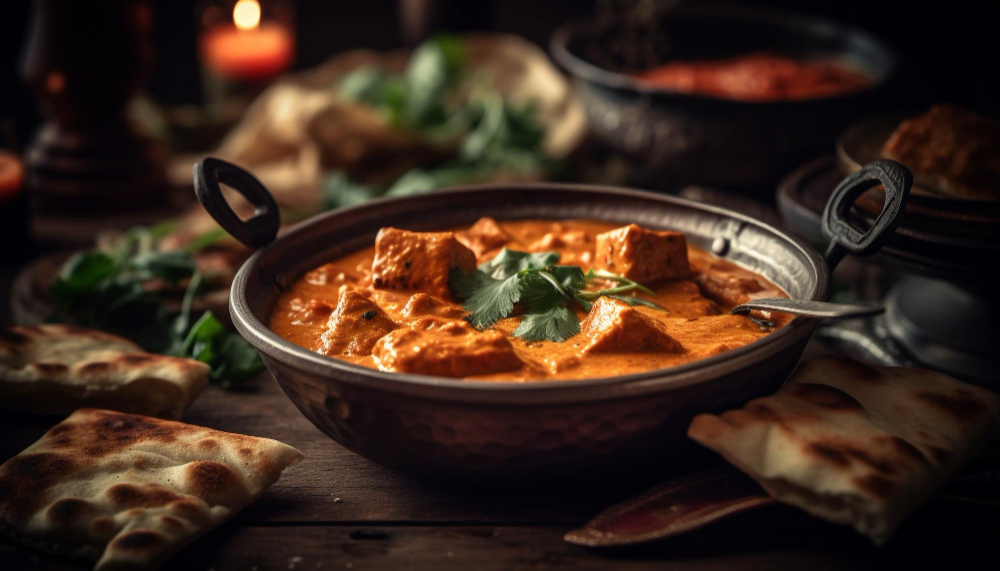
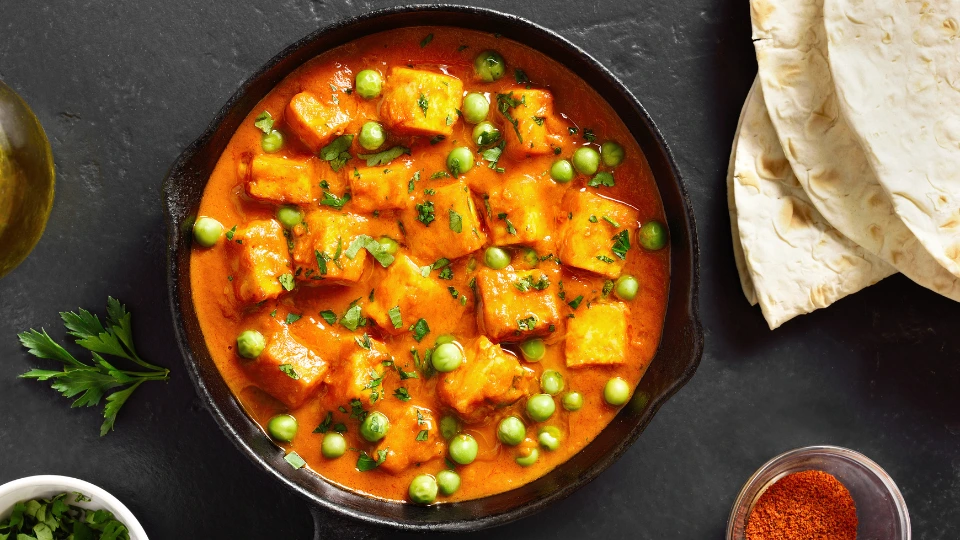
Few dishes in Indian cuisine have captured hearts across the globe quite like paneer butter masala. Imagine a creamy tomato-based curry, rich with butter and aromatic spices, gently coating tender cubes of paneer that melt in your mouth. This dish is not just food—it’s an experience of indulgence, tradition, and culture. Many people encounter it for the first time at an Indian restaurant and instantly fall in love with its unique balance of spice and creaminess. Whether you’re a seasoned Indian food lover or just beginning your culinary journey, this creamy paneer curry always has something special to offer.
In this blog, we’ll dive deep into the fascinating world of this royal North Indian delight, uncovering its origins, flavors, variations, and perfect pairings. We’ll also explore why this dish remains one of the most beloved items in Indian restaurants worldwide, and why Maharaja Riyasat is the perfect place to experience it in Canada. By the end, you’ll not only understand the magic behind this curry but also feel inspired to savor it for your next meal. Let’s get started!
Things to Know Before Enjoying This Creamy Paneer Curry
Before you dig into this royal dish, it helps to know what makes it so unique. From its ingredients to cultural significance, every element contributes to the luxurious experience it brings to your plate. Let’s break it down.
The Origins of This Buttery Paneer Dish
This rich cottage cheese curry, often referred to as butter paneer, originated in Northern India, particularly in Punjab. This region is known for its love of dairy, spices, and hearty meals. The dish is believed to have been created in Delhi at the famous Moti Mahal restaurant, where chefs experimented with rich gravies and tandoor-grilled items. Much like butter chicken, this vegetarian version gained popularity for its creamy texture and balanced flavors. Over time, it became a staple not just in Indian households but also in restaurants worldwide, especially where vegetarian diners sought equally indulgent alternatives to meat curries.
The dish’s cultural importance cannot be overstated. Paneer, often referred to as Indian cottage cheese, holds a special place in Indian vegetarian cuisine. For many families, paneer dishes are a sign of celebration and festivity. This particular preparation, with its royal presentation and delectable flavor, often features in wedding feasts, festivals, and gatherings, making it a dish that unites people over food.
Key Ingredients That Define the Dish
At the heart of every authentic preparation is a blend of fresh paneer cubes, tomatoes, butter, and cream. Tomatoes provide a tangy sweetness, which balances beautifully with the richness of butter and cream. Spices like cardamom, cinnamon, cloves, and garam masala add depth, while ginger and garlic bring a savory kick. Cashew paste is often used to thicken the gravy, giving it a silky-smooth texture. The final dish is garnished with fresh coriander leaves, elevating both aroma and presentation.
High-quality paneer is crucial, as it determines the overall texture of the dish. Soft, fresh paneer absorbs the flavors of the gravy, making every bite rich and satisfying. Butter is equally important—not just as an ingredient but as a symbol of indulgence in North Indian cooking. Together, these elements create the luxurious taste that makes this creamy tomato-based curry irresistible.
The Perfect Balance of Flavors
What sets this North Indian paneer curry apart from other dishes is its impeccable balance of flavors. Unlike spicier gravies such as vindaloo, this buttery curry offers a mild yet flavorful taste, making it appealing to people across different age groups and spice preferences. The combination of sweet, savory, and creamy notes ensures that the dish never overwhelms your palate. This harmony of flavors makes it versatile, pairing well with various accompaniments such as naan, roti, or rice.
The dish also embodies the essence of Indian cooking, where spices are not just used for heat but for creating a symphony of flavors. Every spoonful offers layers of taste, from the tang of tomatoes to the nutty creaminess of cashews, all wrapped in buttery richness. It’s no wonder this creamy paneer curry has become a comfort food for many, evoking both nostalgia and indulgence.
Comparing to Other Paneer Curries
While this popular dish is undoubtedly well-loved, it often gets compared to other paneer-based gravies such as shahi paneer, kadai paneer, and paneer tikka masala. Shahi paneer, for instance, is sweeter and richer, often flavored with dry fruits and saffron. Kadai paneer leans towards a spicier and more rustic preparation with bell peppers and freshly ground spices. Paneer tikka masala, on the other hand, involves grilled paneer cubes in a spicy tomato-onion gravy.
This buttery tomato-paneer curry stands out because it strikes the perfect middle ground—it’s indulgent without being overly heavy, flavorful without being overwhelmingly spicy. This makes it a universally loved dish that appeals to both Indian food connoisseurs and first-time tasters alike.
Variations Across Regions
Like most Indian dishes, this curry has variations depending on where it is made. In Punjab, the dish tends to be richer, with more butter and cream. In South India, some recipes include curry leaves and coconut milk for a regional twist. Restaurants outside India often adapt the spice level and creaminess to suit local tastes. For example, in Canada, many restaurants balance authenticity with the preferences of a diverse clientele, ensuring that this paneer delicacy remains approachable yet true to its roots.
These variations showcase the dish’s adaptability and universal appeal. Whether you enjoy it mildly spiced or packed with flavor, this Indian cottage cheese curry never fails to satisfy.
Nutritional Value
While indulgent, this tomato-paneer curry also offers some nutritional benefits. Paneer is a rich source of protein, making it an excellent option for vegetarians who need a protein boost. It also provides calcium, which supports bone health, and essential vitamins that contribute to overall wellness. The use of tomatoes brings antioxidants like lycopene, which are known for their health benefits. Of course, the cream and butter add richness, so moderation is key when enjoying this dish regularly.
Understanding its nutritional profile helps diners appreciate this creamy curry not just as a flavorful indulgence but also as a dish that can contribute positively when balanced with a healthy diet. This knowledge adds another layer of appreciation, especially for health-conscious food lovers.
Popular Pairings
With Naan
One of the most popular pairings is this curry with naan. The soft, fluffy bread acts as the perfect vehicle to scoop up the creamy gravy, ensuring you savor every drop. Garlic naan, in particular, adds an extra layer of flavor that complements the richness beautifully.
With Jeera Rice
Jeera rice, flavored with cumin seeds, provides a light yet flavorful base. The subtle earthy taste of cumin balances the richness of the curry, creating a comforting combination that is both satisfying and easy to digest.
With Paratha
Parathas, with their flaky layers, pair wonderfully with the creamy curry. This combination is often enjoyed during festive occasions or special dinners. The paratha’s buttery notes echo the indulgence of this dish, making every bite delightful.
With Biryani
While unconventional, pairing this paneer curry with biryani creates a royal feast. The aromatic spices of biryani harmonize with the creamy gravy, offering a flavor-packed meal fit for celebrations.
With Roti
For those seeking a lighter option, roti is an excellent choice. It allows the curry to shine without adding extra richness, making it ideal for everyday meals. This pairing is popular in Indian households where simplicity meets indulgence.
With Appetizers
This buttery tomato curry also pairs beautifully with appetizers such as samosas or pakoras. Starting a meal with these crispy snacks followed by the creamy curry creates a balanced dining experience. It combines crunch with creaminess, making it especially appealing for festive gatherings or restaurant dining.
Why This Dish Remains Timeless
This North Indian delight continues to stand the test of time because it offers both familiarity and indulgence. It is comforting enough for a weekday meal yet luxurious enough for special occasions. Its universal appeal ensures that it remains a staple on Indian restaurant menus worldwide. At Maharaja Riyasat, this dish is prepared with authentic spices and fresh ingredients, ensuring that every bite transports you to the royal kitchens of North India.
Another reason for its timelessness lies in its ability to evolve while staying true to its roots. Chefs around the world experiment with slight variations—whether by adjusting the spice levels, substituting cream with healthier options, or even veganizing the dish with tofu. Despite these innovations, the soul of the dish remains untouched, making it relevant across generations.
By savoring this curry, you’re not just enjoying a meal—you’re experiencing a culinary tradition that has been perfected over decades. Its ability to blend rich flavors with wide accessibility makes it an eternal favorite for food lovers everywhere.
Why Choose Maharaja Riyasat
When it comes to experiencing authentic North Indian flavors in Canada, Maharaja Riyasat stands out as a premier destination. Their chefs bring the essence of Indian cuisine to life, using traditional recipes and high-quality ingredients. Every serving of this creamy paneer curry at Maharaja Riyasat reflects a commitment to authenticity, flavor, and presentation.
Beyond the food, Maharaja Riyasat offers a regal dining experience that complements the dish perfectly. From elegant interiors to attentive service, every detail is designed to make your meal memorable. By choosing Maharaja Riyasat, you’re not just enjoying this iconic curry—you’re embracing a royal culinary journey.
Conclusion
This classic paneer curry is more than just a dish—it’s a cultural icon that represents the richness and diversity of Indian cuisine. Its creamy texture, balanced spices, and universal appeal make it a recipe that transcends boundaries and brings people together. Whether you pair it with naan, rice, or roti, each bite tells a story of tradition, indulgence, and celebration.
If you’re craving the authentic taste of this North Indian delicacy, Maharaja Riyasat is the place to be. With their dedication to authenticity and excellence, they ensure that every plate served is a true reflection of Indian royalty. Visit Maharaja Riyasat today and indulge in the royal delight of this buttery paneer curry like never before!
In this blog, we’ll dive deep into the fascinating world of paneer butter masala, uncovering its origins, flavors, variations, and perfect pairings. We’ll also explore why this dish remains one of the most beloved items in Indian restaurants worldwide, and why Maharaja Riyasat is the perfect place to experience it in Canada. By the end, you’ll not only understand the magic behind this dish but also feel inspired to savor it for your next meal. Let’s get started!
Things to Know Before Enjoying Paneer Butter Masala
Before you dig into this royal dish, it helps to know what makes paneer butter masala so unique. From its ingredients to cultural significance, every element contributes to the luxurious experience it brings to your plate. Let’s break it down.
The Origins of Paneer Butter Masala
Paneer butter masala, often referred to as “butter paneer,” originated in Northern India, particularly in Punjab. This region is known for its love of dairy, spices, and hearty meals. The dish is believed to have been created in Delhi at the famous Moti Mahal restaurant, where chefs experimented with rich gravies and tandoor-grilled items. Much like butter chicken, paneer butter masala gained popularity for its creamy texture and balanced flavors. Over time, it became a staple not just in Indian households but also in Indian restaurants worldwide, especially where vegetarian diners sought equally indulgent alternatives to meat curries.
The dish’s cultural importance cannot be overstated. Paneer, often referred to as Indian cottage cheese, holds a special place in Indian vegetarian cuisine. For many families, paneer dishes are a sign of celebration and festivity. Paneer butter masala, with its royal presentation and delectable flavor, often features in wedding feasts, festivals, and gatherings, making it a dish that unites people over food.
Key Ingredients That Define the Dish
At the heart of every authentic paneer butter masala is a blend of fresh paneer cubes, tomatoes, butter, and cream. Tomatoes provide a tangy sweetness, which balances beautifully with the richness of butter and cream. Spices like cardamom, cinnamon, cloves, and garam masala add depth, while ginger and garlic bring a savory kick. Cashew paste is often used to thicken the gravy, giving it a silky-smooth texture. The final dish is garnished with fresh coriander leaves, elevating both aroma and presentation.
High-quality paneer is crucial, as it determines the overall texture of the dish. Soft, fresh paneer absorbs the flavors of the gravy, making every bite rich and satisfying. Butter is equally important—not just as an ingredient but as a symbol of indulgence in North Indian cooking. Together, these elements create the luxurious taste that makes paneer butter masala irresistible.
The Perfect Balance of Flavors
What sets paneer butter masala apart from other curries is its impeccable balance of flavors. Unlike spicier dishes such as vindaloo, paneer butter masala offers a mild yet flavorful taste, making it appealing to people across different age groups and spice preferences. The combination of sweet, savory, and creamy notes ensures that the dish never overwhelms your palate. This harmony of flavors makes it versatile, pairing well with various accompaniments such as naan, roti, or rice.
The dish also embodies the essence of Indian cooking, where spices are not just used for heat but for creating a symphony of flavors. Every spoonful offers layers of taste, from the tang of tomatoes to the nutty creaminess of cashews, all wrapped in buttery richness. It’s no wonder paneer butter masala has become a comfort food for many, evoking both nostalgia and indulgence.
Paneer Butter Masala vs. Other Paneer Dishes
While paneer butter masala is undoubtedly popular, it often gets compared to other paneer-based curries such as shahi paneer, kadai paneer, and paneer tikka masala. Shahi paneer, for instance, is sweeter and richer, often flavored with dry fruits and saffron. Kadai paneer leans towards a spicier and more rustic preparation with bell peppers and freshly ground spices. Paneer tikka masala, on the other hand, involves grilled paneer cubes in a spicy tomato-onion gravy.
Paneer butter masala stands out because it strikes the perfect middle ground—it’s indulgent without being overly heavy, flavorful without being overwhelmingly spicy. This makes it a universally loved dish that appeals to both Indian food connoisseurs and first-time tasters alike.
Variations Across Regions
Like most Indian dishes, paneer butter masala has variations depending on where it is made. In Punjab, the dish tends to be richer, with more butter and cream. In South India, some recipes include curry leaves and coconut milk for a regional twist. Restaurants outside India often adapt the spice level and creaminess to suit local tastes. For example, in Canada, many restaurants balance authenticity with the preferences of a diverse clientele, ensuring that paneer butter masala remains approachable yet true to its roots.
These variations showcase the dish’s adaptability and universal appeal. Whether you enjoy it mildly spiced or packed with flavor, paneer butter masala never fails to satisfy.
Nutritional Value of Paneer Butter Masala
While paneer butter masala is an indulgent dish, it also offers some nutritional benefits. Paneer is a rich source of protein, making it an excellent option for vegetarians who need a protein boost. It also provides calcium, which supports bone health, and essential vitamins that contribute to overall wellness. The use of tomatoes brings antioxidants like lycopene, which are known for their health benefits. Of course, the cream and butter add richness, so moderation is key when enjoying this dish regularly.
Understanding its nutritional profile helps diners appreciate paneer butter masala not just as a flavorful indulgence but also as a dish that can contribute positively when balanced with a healthy diet. This knowledge adds another layer of appreciation for the dish, especially for health-conscious food lovers.
Popular Pairings with Paneer Butter Masala
Paneer Butter Masala with Naan
One of the most popular pairings is paneer butter masala with naan. The soft, fluffy bread acts as the perfect vehicle to scoop up the creamy curry, ensuring you savor every drop. Garlic naan, in particular, adds an extra layer of flavor that complements the rich gravy beautifully.
Paneer Butter Masala with Jeera Rice
Jeera rice, flavored with cumin seeds, provides a light yet flavorful base for paneer butter masala. The subtle earthy taste of cumin balances the richness of the curry, creating a comforting combination that is both satisfying and easy to digest.
Paneer Butter Masala with Paratha
Parathas, with their flaky layers, pair wonderfully with the creamy curry. This combination is often enjoyed during festive occasions or special dinners. The paratha’s buttery notes echo the indulgence of paneer butter masala, making every bite delightful.
Paneer Butter Masala with Biryani
While unconventional, pairing paneer butter masala with biryani creates a royal feast. The aromatic spices of biryani harmonize with the creamy curry, offering a flavor-packed meal fit for celebrations.
Paneer Butter Masala with Roti
For those seeking a lighter option, roti is an excellent choice. It allows the curry to shine without adding extra richness, making it ideal for everyday meals. This pairing is popular in Indian households where simplicity meets indulgence.
Paneer Butter Masala with Appetizers
Paneer butter masala also pairs beautifully with appetizers such as samosas or pakoras. Starting a meal with these crispy snacks followed by the creamy curry creates a balanced dining experience. It combines crunch with creaminess, making it especially appealing for festive gatherings or restaurant dining.
Why Paneer Butter Masala Remains Timeless
Paneer butter masala continues to stand the test of time because it offers both familiarity and indulgence. It is comforting enough for a weekday meal yet luxurious enough for special occasions. Its universal appeal ensures that it remains a staple on Indian restaurant menus worldwide. At Maharaja Riyasat, this dish is prepared with authentic spices and fresh ingredients, ensuring that every bite transports you to the royal kitchens of North India.
Another reason for its timelessness lies in its ability to evolve while staying true to its roots. Chefs around the world experiment with slight variations—whether by adjusting the spice levels, substituting cream with healthier options, or even veganizing the dish with tofu. Despite these innovations, the soul of paneer butter masala remains untouched, making it relevant across generations.
By savoring this dish, you’re not just enjoying a meal—you’re experiencing a culinary tradition that has been perfected over decades. Paneer butter masala’s ability to blend rich flavors with wide accessibility makes it an eternal favorite for food lovers everywhere.
Why Choose Maharaja Riyasat for Paneer Butter Masala
When it comes to experiencing authentic paneer butter masala in Canada, Maharaja Riyasat stands out as a premier destination. Their chefs bring the essence of North Indian cuisine to life, using traditional recipes and high-quality ingredients. Every serving of paneer butter masala at Maharaja Riyasat reflects a commitment to authenticity, flavor, and presentation.
Beyond the food, Maharaja Riyasat offers a regal dining experience that complements the dish perfectly. From elegant interiors to attentive service, every detail is designed to make your meal memorable. By choosing Maharaja Riyasat, you’re not just enjoying paneer butter masala—you’re embracing a royal culinary journey.
Conclusion
Paneer butter masala is more than just a curry—it’s a cultural icon that represents the richness and diversity of Indian cuisine. Its creamy texture, balanced spices, and universal appeal make it a dish that transcends boundaries and brings people together. Whether you pair it with naan, rice, or roti, each bite tells a story of tradition, indulgence, and celebration.
If you’re craving the authentic taste of paneer butter masala, Maharaja Riyasat is the place to be. With their dedication to authenticity and excellence, they ensure that every plate served is a true reflection of North Indian royalty. Visit Maharaja Riyasat today and indulge in the royal delight of paneer butter masala like never before!