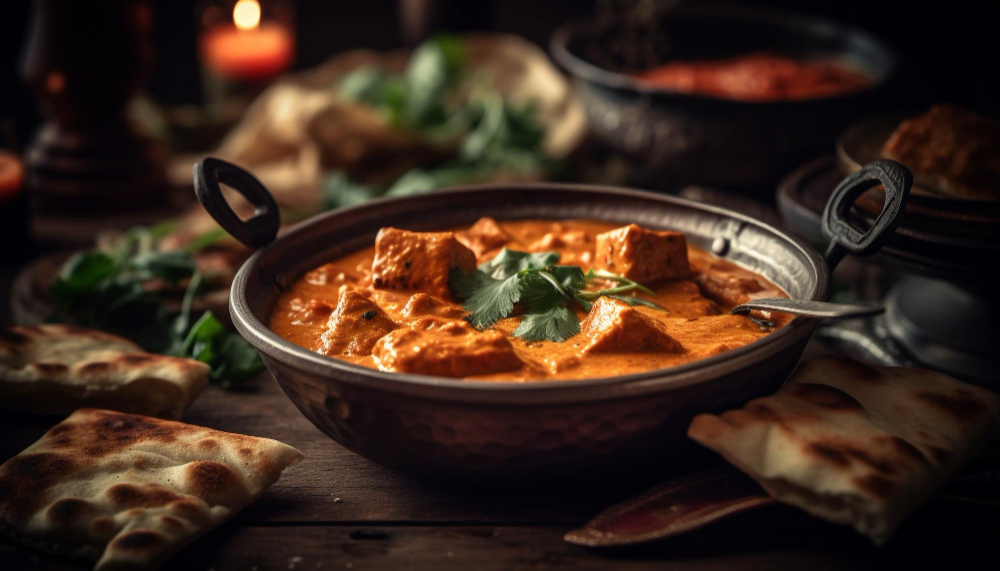
Tag: Indian Food Recipe

  • How to Cook Perfect Paneer Butter Masala Easily

    How to Cook Perfect Paneer Butter Masala Easily

    Introduction

    There’s something magical about the first bite of creamy, flavorful paneer butter masala. Whether it’s a family dinner or a festive occasion, this iconic North Indian dish never fails to impress. Imagine soft cubes of paneer enveloped in a rich, buttery tomato gravy infused with aromatic spices — pure comfort food! If you’ve ever wondered how restaurants like Maharaja Riyasat achieve that flawless balance of creaminess and spice, you’re not alone. This guide will teach you exactly how to cook perfect paneer butter masala easily at home while maintaining that royal restaurant-style flavor.

    Cooking paneer butter masala at home doesn’t need to be complicated. With the right ingredients, steps, and a touch of culinary mindfulness, you can master this dish even if you’re new to Indian cuisine. In this blog, we’ll walk you through the process — from choosing quality ingredients to understanding the science of the gravy — ensuring every bite tastes luxurious. Ready to create a dish fit for royalty? Let’s dive in and learn how to bring the rich flavors of Maharaja Riyasat right to your kitchen. Visit MaharajaRiyasat for more authentic Indian food experiences!


    Things to Know Before Cooking Paneer Butter Masala

    Before you jump into the actual cooking process, it’s important to understand the key elements that make paneer butter masala special. The quality of your ingredients, the technique of blending spices, and even the timing of adding cream can dramatically change the outcome. Each step plays a role in achieving that velvety texture and deep flavor you crave.

    In this section, we’ll cover the fundamental factors you must know before making this royal dish — from choosing the right paneer to mastering the butter-tomato balance. Understanding these essentials will help you create paneer butter masala that’s restaurant-quality every single time.


    1. Choosing the Right Paneer for Creamy Texture

    Good paneer butter masala starts with good paneer. Always opt for fresh, soft paneer that melts gently in your mouth. Store-bought paneer can work, but homemade paneer is best — it’s softer, fresher, and absorbs the gravy better. You can make paneer at home using full-fat milk and lemon juice or vinegar. Let it rest for a while before cutting into cubes for a firmer yet smooth texture.

    When selecting paneer, ensure it’s not rubbery. The freshness impacts the texture of your curry. Fresh paneer easily absorbs flavors from the tomato and butter base, giving you that restaurant-style richness. You can also soak paneer cubes in warm water for 10 minutes before adding them to the gravy for extra softness.


    2. Selecting the Perfect Tomatoes and Spices

    Tomatoes form the heart of paneer butter masala. Always go for ripe, red, and slightly tangy tomatoes — preferably Roma or plum types. The blend of sweetness and acidity determines the depth of flavor. Combine this with essential spices like cumin, garam masala, and Kashmiri red chili powder for that vibrant color without overwhelming heat.

    Balancing spices is key. Using too much chili can overpower the butteriness, while too little leaves the dish flat. Toasting whole spices briefly before blending enhances their aroma. This spice-tempering step, called “tadka,” is what gives paneer butter masala its authentic Indian character.


    3. Importance of Butter and Cream Balance

    Butter and cream are what make this dish indulgent. Using unsalted butter ensures you control the seasoning better. Start with butter for sautéing your onions and tomatoes, and finish with cream for richness. This layering technique gives your gravy a silky mouthfeel that’s characteristic of restaurant-quality paneer butter masala.

    If you’re health-conscious, substitute with ghee or low-fat cream without losing the essence of the dish. The trick is moderation — too much cream can dull the spices, while too little leaves the dish lacking body. Always stir gently after adding cream to maintain its texture.


    4. Blending for Smooth Gravy Consistency

    A hallmark of perfect paneer butter masala is its velvety, lump-free gravy. After sautéing tomatoes, onions, and cashews, let the mixture cool before blending. Use a high-speed blender for a fine, smooth puree. Strain it for that flawless, restaurant-style finish.

    The cashews add natural creaminess without needing excess cream. Blending well also ensures uniform color and consistency. When reheating the gravy, do so gently — boiling can cause the fats to separate, affecting the look and taste of your dish.


    5. Cooking Method and Timing

    Cooking technique makes all the difference. Start by sautéing your base ingredients on medium heat to extract flavors slowly. Once the puree is added, cook until it releases oil — this step ensures your spices are well-roasted and the raw tomato taste is gone.

    After this stage, add water or milk to adjust consistency. Paneer should be added only at the end, just before simmering for 3–5 minutes, to prevent overcooking. This maintains the soft texture while allowing it to absorb the sauce perfectly.


    Step-by-Step Guide to Cooking Paneer Butter Masala

    Once you understand the fundamentals, it’s time to bring them all together. Below is a detailed breakdown of each stage of cooking paneer butter masala to perfection — from preparing your ingredients to garnishing the finished dish.


    1. Ingredients You’ll Need

    Start with the right ingredients. You’ll need 200g paneer, 3 large tomatoes, 1 onion, 2 tbsp butter, 1 tbsp oil, 10 cashews, ½ tsp garam masala, ½ tsp cumin seeds, 1 tsp ginger-garlic paste, and 2 tbsp cream. These ingredients together create a harmonious blend of richness and flavor.

    Always measure accurately. Too much butter or too few spices can throw off the balance. Fresh ingredients make all the difference — particularly the tomatoes and paneer. Make sure your spices are not stale for the most aromatic outcome.


    2. Preparing the Gravy Base

    Heat oil and butter in a pan, then add cumin seeds and onions. Sauté until golden brown before adding ginger-garlic paste. Add chopped tomatoes and cook until soft. Toss in cashews and cook for a few minutes before blending everything into a smooth paste.

    This paste forms the heart of your curry. The slow cooking process extracts natural sweetness from onions and tanginess from tomatoes, creating depth in flavor. Once blended, return the mixture to the pan and cook it down again until it thickens slightly and oil separates.


    3. Seasoning and Simmering the Sauce

    Add salt, chili powder, garam masala, and kasuri methi (dried fenugreek leaves). Stir well and let it simmer. Add a splash of water or milk for the perfect consistency. Once it reaches the desired thickness, add cream and butter for richness.

    This step brings together all the flavors — the smokiness of spices, the tang of tomatoes, and the smoothness of cream. Simmering on low flame helps the spices infuse into the sauce, resulting in a balanced and rich taste.


    4. Adding the Paneer

    Now add paneer cubes gently into the sauce. Stir softly so the cubes don’t break. Let it simmer for 3–5 minutes, ensuring the paneer absorbs the flavor without hardening. Avoid overcooking, as paneer can become chewy quickly.

    You can also pan-fry the paneer lightly before adding it for a slightly crisp texture on the outside. Some prefer adding a dash of honey or sugar at this point to enhance the flavor profile, balancing tanginess with sweetness.


    5. Garnishing and Serving

    Once the curry reaches the perfect creamy consistency, garnish it with fresh cream, butter, and coriander leaves. Serve hot with naan, roti, or basmati rice. The presentation adds to the sensory experience, making your dish as visually appealing as it is delicious.

    If you want that extra restaurant-style aroma, drizzle a spoon of melted butter infused with kasuri methi right before serving. This final touch adds irresistible fragrance and shine to your paneer butter masala.


    Why Choose Maharaja Riyasat for Authentic Paneer Butter Masala

    At Maharaja Riyasat, we take pride in serving dishes that represent the true essence of Indian royalty. Our chefs use time-tested recipes and premium ingredients to recreate the authentic flavors of traditional Indian cuisine. Whether you’re craving paneer butter masala or other regional delicacies, every dish is crafted with attention to detail and love.

    When you dine at Maharaja Riyasat, you experience not just food but a journey through India’s culinary heritage. Visit maharajariyasat to explore our full menu and indulge in royal flavors that transform every meal into a memorable experience.


    Conclusion

    Cooking paneer butter masala perfectly is about balancing flavors, textures, and techniques. With the right paneer, quality ingredients, and proper timing, you can achieve that restaurant-level perfection right in your own kitchen. Each bite of creamy gravy and soft paneer brings warmth and satisfaction, making it a timeless favorite.

    So, whether you’re hosting a dinner or craving comfort food, paneer butter masala is your go-to dish. And for those who’d rather skip the cooking and enjoy authentic taste, visit Maharaja Riyasat — where every recipe celebrates India’s royal culinary legacy.
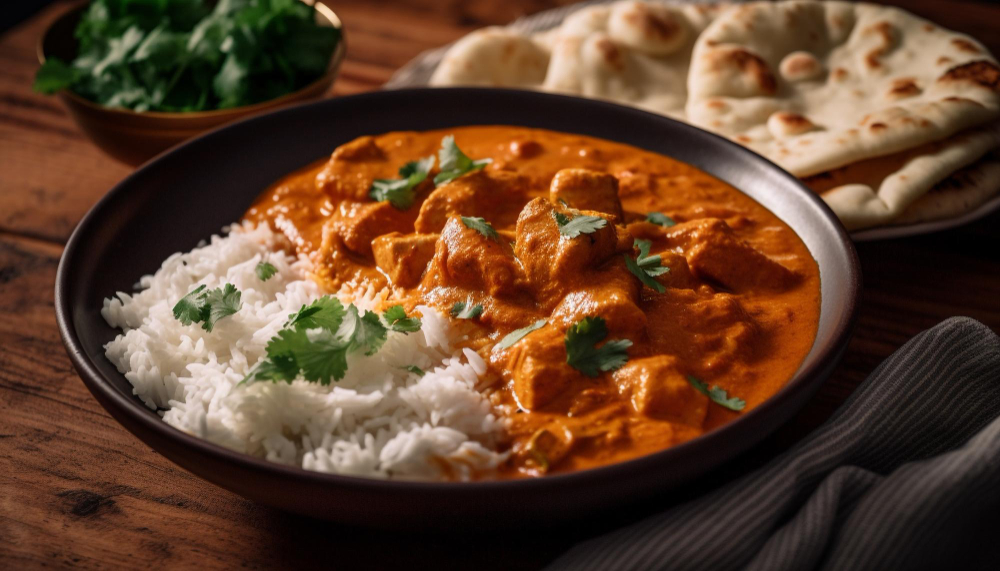
  • Indian Curry: Exploring Regional Variations

    Indian Curry: Exploring Regional Variations

    Introduction

    Indian curry has become synonymous with bold flavors, aromatic spices, and comfort food that warms both the body and the soul. For many food lovers around the world, discovering the depth and diversity of Indian curry is an unforgettable culinary journey. Whether you’ve tasted creamy butter chicken, tangy vindaloo, or the spicy coconut gravies from the south, each dish tells a story rooted in culture and geography. At Maharaja Riyasat, every curry served is a reflection of India’s regional heritage brought to life with authenticity and passion.

    In this blog, we explore the fascinating regional variations of Indian curry—from the rich, dairy-based dishes of the North to the tangy, seafood-infused creations of the South. You’ll learn what makes each region’s approach to curry unique and how spices, ingredients, and local traditions shape every bowl. By the end, you’ll know exactly what to try next time you crave an authentic curry experience. Ready to discover India through its flavors? Visit Maharaja Riyasat and taste the difference today!


    Things to Know Before Exploring Regional Indian Curries

    Before diving into the regional varieties of Indian curry, it’s important to understand the foundational elements that define them. While the term curry may seem like a single dish, it represents a wide spectrum of gravies and sauces influenced by climate, produce, and cultural preferences. Every region uses a specific combination of spices and ingredients that mirror its agricultural and historical identity.

    Below, we’ll break down the key factors that make Indian curries so diverse, from the role of spices and cooking fats to the influence of religion and trade routes. Each of these aspects contributes to the complexity and richness that makes Indian curry a global favorite.

    The Role of Spices in Indian Curry

    Spices are the heartbeat of every Indian curry. Each region uses a different blend to create its signature taste—garam masala in the north, mustard seeds and curry leaves in the south, or panch phoron in the east. These spices not only add depth and aroma but also serve medicinal purposes rooted in Ayurveda.

    At Maharaja Riyasat, chefs craft every curry using freshly ground spice mixes to ensure authenticity. This attention to detail results in dishes bursting with character and aroma, capturing the true essence of Indian culinary tradition.

    Influence of Geography and Climate

    Geography heavily shapes Indian curry. Northern India’s cold climate favors richer gravies made with ghee, cream, and butter, while coastal southern regions rely on coconut milk and tamarind for light yet flavorful sauces. The arid western regions use dried spices and yogurt for preservation and balance.

    Understanding this geographical impact helps diners appreciate why no two Indian curries taste the same. Maharaja Riyasat’s menu showcases this diversity by featuring curries inspired by multiple regions—offering a complete culinary journey across India.

    Impact of Religion and Culture

    Religion and cultural preferences have profoundly influenced Indian cuisine. Hindu communities often create vegetarian curries using paneer, lentils, and vegetables, while Muslim culinary traditions introduced meat-based dishes like korma and nihari. This harmony of influences makes Indian curry one of the most inclusive cuisines in the world.

    At Maharaja Riyasat, this cultural blend is reflected in the menu, where both vegetarian and non-vegetarian options coexist beautifully, celebrating India’s pluralistic culinary heritage.

    Cooking Techniques and Regional Oils

    Different regions in India favor unique cooking techniques and oils. North Indians prefer cooking in ghee, while the South leans on coconut oil. In the East, mustard oil imparts a pungent sharpness, and the West uses groundnut or sesame oil for earthy undertones. The choice of oil can dramatically alter the flavor profile of a curry.

    By replicating these authentic regional methods, Maharaja Riyasat preserves the integrity of traditional cooking, giving diners a truly immersive experience that honors India’s diversity.

    Historical and Trade Influences

    Centuries of trade brought new ingredients like chilies, tomatoes, and potatoes to India, transforming the nature of curries forever. Persian, Portuguese, and British influences also left their mark on regional dishes, resulting in a unique fusion of global and local flavors.

    Maharaja Riyasat continues this legacy by combining time-tested recipes with modern presentation. This blend of history and innovation creates an unforgettable dining experience that pays homage to the evolution of Indian curry.


    Northern Indian Curries: Rich and Creamy Flavors

    Northern Indian curries are characterized by their luxurious use of dairy, including cream, butter, and yogurt. Popular dishes like butter chicken, paneer makhani, and dal makhani embody this region’s love for smooth, hearty gravies. The climate’s cold winters encourage richer, comforting foods that pair perfectly with naan or paratha.

    At Maharaja Riyasat, northern favorites like Chicken Tikka Masala and Paneer Butter Masala are prepared with precision and care. The balance of tangy tomatoes, aromatic spices, and buttery smoothness makes these curries a highlight for anyone craving indulgence.


    Southern Indian Curries: Spicy, Tangy, and Coconut-Based

    Southern Indian curries burst with tropical freshness. Coconut milk, curry leaves, and tamarind define their distinct tangy-spicy profile. Dishes like Kerala fish curry, Chettinad chicken, and sambar showcase how southern cooks balance heat and acidity to create vibrant flavors.

    Maharaja Riyasat’s menu often draws inspiration from these coastal cuisines, offering curries that bring the sun-soaked warmth of South India to your plate. Each bite delivers a perfect balance of spice and comfort.


    Eastern Indian Curries: Subtle and Fragrant

    Eastern India, known for its love of seafood and mustard oil, brings subtlety to the curry landscape. Bengali curries like mustard fish and vegetable ghonto emphasize aroma and balance rather than heat. The use of panch phoron—a blend of five seeds—adds a unique complexity to their dishes.

    At Maharaja Riyasat, eastern-inspired recipes are reimagined with finesse, offering diners the chance to experience delicate yet flavorful curries that showcase India’s eastern coastal charm.


    Western Indian Curries: Bold and Diverse

    The western states of Gujarat, Rajasthan, and Maharashtra offer a dynamic range of curries. Rajasthani curries are spicy and rustic, often using gram flour and dried chilies, while Gujarati curries balance sweet and savory flavors. Coastal Maharashtra leans toward coconut and seafood-based gravies.

    Maharaja Riyasat’s chefs capture this western spirit with dishes that balance spice, sweetness, and tang. Each preparation reflects the adventurous flavor palette that defines India’s western culinary traditions.


    Central Indian Curries: A Blend of Influences

    Central India stands at the crossroads of the country, absorbing influences from all directions. Madhya Pradesh and Chhattisgarh’s curries combine the richness of the north with the spice of the south, creating balanced, hearty meals.

    Maharaja Riyasat embraces this balance by blending traditional recipes with innovative techniques, ensuring that every curry served tells a story of connection and diversity.


    Why Choose Maharaja Riyasat for Authentic Indian Curry

    Choosing Maharaja Riyasat means choosing authenticity, passion, and excellence. Every curry served is a result of meticulous preparation, high-quality ingredients, and time-honored recipes passed down through generations. The chefs take pride in representing India’s regional diversity with respect and creativity.

    Beyond taste, Maharaja Riyasat offers an elegant dining experience that transports guests straight to royal India. Whether you’re exploring vegetarian curries or rich meat dishes, each meal celebrates tradition, flavor, and hospitality. Visit Maharaja Riyasat to embark on your Indian curry adventure.


    Conclusion

    Indian curry is not a single dish but a mosaic of regional stories, each one offering a glimpse into India’s vibrant culture and history. From the creamy gravies of the north to the tangy delights of the south, every curry carries the soul of its land and people.

    At Maharaja Riyasat, this diversity comes alive in every plate, crafted to perfection by chefs dedicated to preserving authenticity. So, whether you’re a long-time curry lover or a curious foodie, your journey through India’s flavors begins here—one bowl at a time.