Introduction
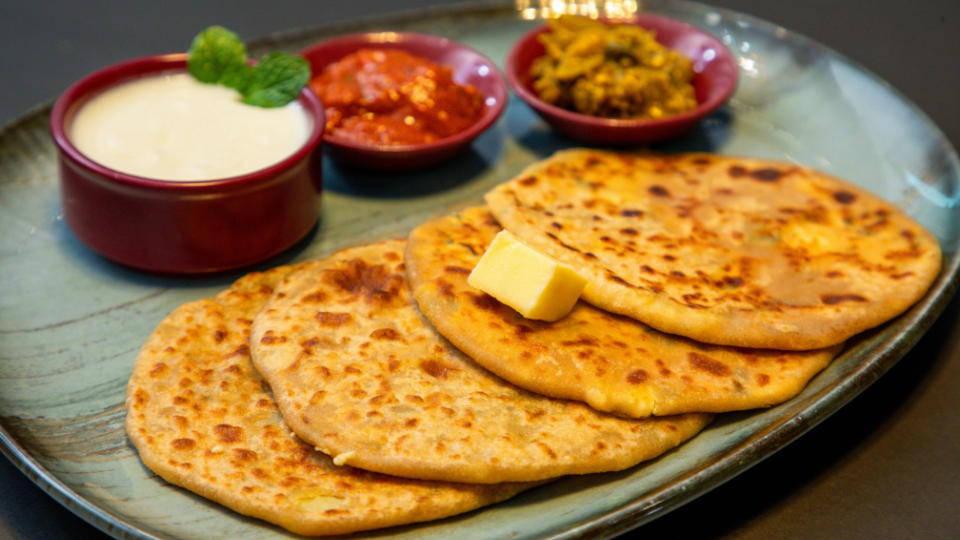
Few dishes capture the heart of Indian cuisine like the stuffed paratha. People enjoy it on a lazy Sunday morning with a cup of chai or pack it into a lunchbox for a comforting midday meal. Stuffed parathas have a timeless appeal that transcends generations. Their crispy, golden exterior and soft, flavorful filling make them irresistible to food lovers. The aroma of freshly cooked parathas, often wafting from family kitchens, evokes feelings of warmth, togetherness, and nostalgia. For many, a stuffed paratha is more than just food—it connects them to culture, tradition, and cherished family memories.
This blog takes you on a flavorful journey into the world of stuffed parathas. We will explore their origins, preparation techniques, and diverse varieties. From the classic aloo paratha to innovative modern takes, you’ll uncover what makes each one special. We will also look at the perfect side dishes that elevate parathas to a wholesome meal. Finally, you’ll learn why Maharaja Riyasat is the ultimate destination to experience authentic stuffed parathas in Canada. Ready to indulge in this delicious classic? Visit Maharaja Riyasat today to savor the true taste of India.
Things to Know About Stuffed Parathas Before Indulging
Stuffed parathas are not just flatbreads filled with ingredients—they represent a culinary tradition rich with history, technique, and cultural significance. Before diving into the many varieties, it’s helpful to understand their roots, the essential ingredients that go into them, and why they hold a special place in Indian households. This section highlights what makes stuffed parathas such an enduring favorite.
Origins of Stuffed Parathas
Stuffed parathas have a long history in Indian cuisine, with origins tracing back centuries. North Indian households traditionally prepared them as a wholesome breakfast or dinner option. The Punjab region, in particular, made parathas an essential part of daily meals. Over time, different regions of India created their own versions, each with unique twists that reflected local tastes and ingredients. This regional diversity keeps parathas versatile and loved across the country.
For more on Punjabi dining traditions, explore our blog on Punjabi food culture. Initially enjoyed in home kitchens, stuffed parathas eventually entered street food culture, dhabas, and restaurants. They became a symbol of hearty, satisfying food that offered affordability and comfort. Today, they enjoy global popularity, making them a staple in Indian restaurants worldwide. From traditional recipes to fusion versions, parathas continue to evolve while staying rooted in cultural authenticity.
Common Ingredients in Stuffed Parathas
Every stuffed paratha starts with dough and filling. Whole wheat flour, water, salt, and sometimes a touch of oil or ghee form the dough. This base supports the flavorful fillings inside. The stuffing varies widely, ranging from mashed potatoes and paneer to cauliflower, radish, or spiced minced meat. A blend of spices such as cumin, coriander, chili powder, and garam masala enhances the flavor and creates the signature taste.
In addition to the main ingredients, garnishes and accompaniments play an important role. A generous dollop of butter, yogurt, or a side of tangy pickle completes the paratha experience. For an in-depth look at how spices transform Indian dishes, check out our guide on exploring the rich spices of Punjabi food. The balance between soft dough, spicy filling, and rich accompaniments makes stuffed parathas both fulfilling and comforting.
Cooking Techniques for Perfect Parathas
Cooking parathas requires skill and balance. Traditionally, chefs prepare them on a tawa (flat griddle) with just the right amount of heat and fat. Too little oil or ghee creates dry parathas, while too much makes them greasy. The goal is a golden-brown, crisp exterior with a soft, evenly cooked interior. Achieving this balance requires practice, which explains why homemade parathas often taste so special.
Rolling out the dough correctly also matters. It must be thick enough to hold the filling without tearing, yet thin enough to cook properly. Some fillings, like paneer or cheese, melt slightly during cooking, adding an extra layer of texture and richness. Skilled cooks rely on touch and intuition to know when the paratha reaches perfection. If you’re curious about differences between Indian breads, don’t miss our blog on paratha vs roti.
Health Aspects of Stuffed Parathas
Stuffed parathas often seem indulgent, but they can be part of a balanced diet when prepared thoughtfully. Whole wheat flour provides dietary fiber, while fillings like potatoes, paneer, and vegetables add a variety of nutrients. For a healthier version, use less ghee or oil during cooking and pair parathas with yogurt or salad instead of butter and pickles.
Customizing fillings allows parathas to fit many diets. High-protein fillings such as lentils or paneer appeal to vegetarians, while chicken or keema satisfy meat lovers. The versatility of parathas makes them ideal for health-conscious eaters without compromising flavor. To explore another healthy yet flavorful dish, see our article on paneer butter masala.
Cultural Importance of Parathas in Indian Meals
In Indian culture, parathas symbolize hospitality and family togetherness. A freshly prepared paratha served with love often becomes the centerpiece of breakfast or dinner in many households. Families gather around the table to share stories, laughter, and meals, with parathas bringing everyone together. They also feature prominently during festivals, weddings, and special occasions, making them integral to cultural celebrations.
Their symbolic role extends beyond homes. Punjabi dhabas serving parathas with lassi represent the quintessential Indian food experience. In modern times, parathas have found a place in cafes and restaurants, blending tradition with contemporary dining. Their ability to adapt while retaining their essence ensures they remain a timeless favorite. For more inspiration on iconic Punjabi meals, check out our feature on authentic Punjabi dishes.
Popular Types of Stuffed Parathas You Must Try
The beauty of stuffed parathas lies in their diversity. Each type brings its own flavor and texture, offering something for everyone. From traditional recipes passed down through generations to modern innovations, the options feel endless. Here are some of the most popular stuffed parathas you should definitely try.
Aloo Paratha
Aloo paratha is arguably the most iconic of all stuffed parathas. Mashed potatoes seasoned with cumin, coriander, chili, and garam masala form the filling, delivering comfort and flavor. People often serve it with butter, yogurt, or pickle, making it a breakfast staple in North Indian households.
Its popularity stems from simplicity and universal appeal. The hearty potato filling is easy to prepare, making aloo paratha a quick and fulfilling option. It’s also versatile enough to pair with accompaniments such as spicy curries or cooling raita. To see how such classics compare with modern favorites, read our blog on chicken tikka masala vs butter chicken.
Gobi Paratha
Gobi paratha features finely grated cauliflower mixed with spices. Cooks sauté or season the cauliflower before stuffing it to retain flavor without sogginess. This paratha has a slightly nutty taste, enhanced by green chilies, ginger, and fresh coriander.
For those who prefer a lighter yet flavorful option, gobi paratha works perfectly. It’s rich in fiber and vitamins, offering a nutritious meal that doesn’t compromise on taste. Served with curd or pickle, gobi paratha becomes a wholesome dish suitable for any time of the day.
Paneer Paratha
Paneer paratha delights cheese lovers. Grated paneer mixed with herbs and mild masalas creates a filling that is rich yet delicate. Paneer adds a soft, creamy texture that makes the paratha indulgent and satisfying.
Since paneer provides protein, paneer parathas are especially popular among vegetarians. They are hearty enough to stand alone as a complete meal. Chutneys or raita make perfect accompaniments. Paneer parathas remain a delicious way to combine taste with nutrition.
Mooli Paratha
Mooli paratha, made with grated radish, offers a distinct flavor that’s slightly sharp and peppery. Spices mix with the radish, and cooks often squeeze out excess moisture to prevent sogginess. This step ensures even cooking and balanced texture.
Although mooli paratha may be an acquired taste for some, it delivers freshness and nutrition. People often enjoy it with butter or curd, which balance the strong flavors of the radish. For those looking to try something different, mooli paratha deserves attention.
Mixed Vegetable Paratha
Mixed vegetable paratha combines the goodness of carrots, peas, beans, and potatoes, all seasoned with aromatic spices. This blend makes it colorful, flavorful, and packed with nutrients. The mix of textures turns every bite into a delightful surprise.
Families particularly love this paratha because it provides a wholesome meal and sneaks vegetables into children’s diets. Served with yogurt or pickle, mixed vegetable paratha becomes a versatile dish that appeals to all age groups.
Keema Paratha
Keema paratha satisfies meat lovers. Spiced minced meat—usually lamb or chicken—fills the paratha. Onions, garlic, ginger, and spices cook with the meat beforehand to create a rich, savory filling.
This paratha often appears as a hearty dinner option, paired with raita or chutney. Its bold flavor and protein content make it both satisfying and nourishing. Keema paratha perfectly fuses traditional paratha-making with non-vegetarian richness.
Cheese & Fusion Parathas
Modern creativity has produced fusion parathas filled with cheese, spinach, mushrooms, or even pizza-inspired toppings. These variations appeal to younger generations and global palates, combining Indian techniques with international flavors.
Cheese parathas melt in the mouth with gooey, indulgent fillings. Fusion versions introduce playful twists. They showcase the adaptability of parathas, evolving with changing food trends while retaining their essence.
Perfect Accompaniments for Stuffed Parathas
The experience of eating parathas feels incomplete without the right accompaniments. These side dishes enhance flavor and bring balance to the meal. From cooling curd to tangy pickles, the right pairing can transform a simple paratha into a feast.
Curd & Raita Combinations
Curd, plain or spiced, often accompanies parathas. Its cool, creamy texture complements the warmth and spice of the stuffed bread. Variations such as boondi raita, cucumber raita, or mint raita add refreshing flavors that balance richness.
Raita also adds variety and nutrition. With endless options—from beetroot to pineapple raita—these yogurt-based sides enhance taste and digestibility. They remain an essential part of the paratha experience.
Pickles & Chutneys
Pickles and chutneys bring bursts of tangy, spicy, or sweet flavors. Classic Indian pickles like mango, lime, or chili add zest. Chutneys made from mint, tamarind, or coriander provide freshness and variety.
These condiments reflect deep roots in Indian culinary tradition. Many are homemade, carrying unique family recipes. Their vibrant flavors pair beautifully with the earthy taste of parathas, ensuring a dynamic dining experience.
Traditional Beverages (Lassi, Chai)
A glass of lassi or a cup of chai often completes a paratha meal. Sweet or salted lassi, made from churned yogurt, refreshes the palate. This pairing is traditional in Punjab and continues to delight diners.
On the other hand, masala chai adds warmth and spiced depth. It works well for breakfast or evening snacks with parathas. Together, these beverages create a holistic dining experience rooted in Indian tradition.
Why Choose Maharaja Riyasat for Authentic Stuffed Parathas
At Maharaja Riyasat, we bring authentic Indian flavors to Canada. Our stuffed parathas showcase this commitment. Each one is crafted with traditional techniques, premium ingredients, and time-honored recipes passed down through generations. Whether you crave classic aloo paratha or want to try fusion flavors, our menu offers something for everyone.
Our chefs cook every paratha to perfection, balancing crispness and flavor in each bite. Freshly prepared accompaniments make the experience complete, capturing the spirit of Indian hospitality. At Maharaja Riyasat, dining is more than food—it is a celebration of culture, tradition, and authenticity.
Explore our menu and book a reservation to enjoy authentic stuffed parathas. With a warm ambiance, exceptional service, and a wide range of dishes, Maharaja Riyasat remains your ultimate destination for Indian classics.
Conclusion
Stuffed parathas are more than just a dish—they symbolize comfort, tradition, and culinary artistry. From their humble beginnings in North India to their modern-day global appeal, parathas continue to delight food lovers. Their variety, customizable fillings, and cultural significance ensure their place in Indian dining.
At Maharaja Riyasat, we bring this legacy to life by offering authentic, flavorful parathas that transport you to the heart of India with every bite. Whether you love classic aloo paratha or prefer adventurous fusion versions, our menu has something for you. Visit us to enjoy freshly made parathas, paired with traditional accompaniments and served with care. For more Indian food experiences, explore our blog on authentic biryani in Canada. Taste the tradition, embrace the flavor, and celebrate the timeless charm of stuffed parathas with Maharaja Riyasat.