Tag: chicken tikka masala

  • Desi Tadka Spices That Make Every Meal Special

    Desi Tadka Spices That Make Every Meal Special

    Introduction

    When it comes to Indian cuisine, nothing elevates a dish quite like the magic of desi tadka. The sizzling tempering of spices in hot oil or ghee not only fills the kitchen with irresistible aromas but also transforms simple meals into flavorful masterpieces. Whether it’s dal, sabzi, or a wholesome curry, the addition of desi tadka adds richness, depth, and tradition to every bite. For generations, families have cherished this culinary technique, making it a signature of authentic Indian home cooking that connects us to our roots and flavors of our heritage.

    In this blog, we will explore the essential spices that make desi tadka truly special. From the earthy cumin seeds to the fiery red chilies, each spice brings its own unique aroma and taste to the table. We’ll dive into what makes these spices important, how they enhance traditional flavors, and why incorporating them into your meals is a must. By the end, you’ll not only understand the magic of desi tadka but also discover why Maharaja Riyasat is your trusted source for authentic Indian spices. Explore our spice collection here.


    Things to Know Before Using Desi Tadka Spices

    Before diving into the individual spices, it’s important to understand how desi tadka works and why it’s a fundamental part of Indian cooking. Tadka, also known as tempering, involves heating oil or ghee and adding whole or ground spices to release their essential oils and flavors. This process creates a base of aroma and taste that infuses the entire dish. Without this step, Indian food can often feel incomplete, lacking the depth and balance that spices provide.

    Knowing which spices to use and how to use them is equally important. Each spice reacts differently when exposed to heat—some release their fragrance quickly, while others need time to toast gently. Additionally, pairing the right spices with the right dishes ensures a harmonious balance of taste. Let’s break down the essential elements you must know before preparing a perfect desi tadka.

    The Role of Oil or Ghee in Tadka

    The foundation of a great tadka lies in the fat you choose. Traditional Indian cooking often favors ghee for its rich, nutty flavor, which adds depth to dals and curries. Alternatively, vegetable oils, mustard oil, or sunflower oil are also popular choices depending on the dish and regional traditions. Each type of fat influences how the spices release their flavors, making it a crucial decision in cooking with spices.

    When the oil or ghee is heated correctly, it becomes the perfect medium to crackle cumin seeds, sizzle mustard seeds, or fry garlic and onions until golden. This quick process enhances the aroma of the spices, creating a flavorful tempering that elevates the entire dish. Choosing the right cooking fat ensures that your desi tadka is not only authentic but also delicious and memorable.

    Importance of Fresh and Authentic Spices

    The quality of spices can make or break your tadka. Using fresh, authentic Indian spices guarantees maximum flavor and aroma. Over time, spices lose their potency, and stale spices will result in a dull tadka. This is why sourcing from trusted brands like Maharaja Riyasat ensures that every pinch of cumin, mustard, or turmeric retains its natural oils and essence.

    Authentic spices not only enhance taste but also preserve the cultural significance of traditional flavors. Many households take pride in stocking their spice boxes with hand-picked, high-quality ingredients. Investing in authentic Indian food staples means you’re not just cooking—you’re creating an experience that mirrors the richness of India’s culinary heritage.

    Balancing Heat and Flavor

    Desi tadka is all about balance. Some spices bring heat, like dried red chilies or chili powder, while others add earthy tones, such as cumin and coriander. Too much heat can overpower a dish, while too little may leave it bland. The secret lies in creating a blend where each spice complements the other.

    Balancing flavors doesn’t just mean spice levels—it also involves harmonizing sweet, sour, salty, and bitter notes. For example, hing (asafoetida) adds a pungent yet savory element, while curry leaves bring freshness. Understanding this balance ensures that your desi tadka spices work in harmony, enhancing your dish rather than dominating it.

    Timing Matters in Tempering

    One of the most important aspects of tadka is timing. Adding spices to oil that’s too hot can cause them to burn, resulting in bitterness. On the other hand, adding them to lukewarm oil prevents them from releasing their full aroma. Mastering the art of timing ensures that your spices bloom to perfection.

    For instance, mustard seeds should be allowed to crackle fully before adding the next ingredient, while garlic should be fried until just golden to avoid bitterness. Proper timing transforms ordinary spices into a fragrant infusion that defines the soul of Indian cooking with spices.

    Regional Variations in Desi Tadka

    While the concept of tadka remains the same across India, the choice of spices varies by region. In South Indian cuisine, curry leaves and mustard seeds dominate, while in North India, cumin, garlic, and red chilies are more common. These variations reflect the diversity of Indian flavors and traditions.

    Exploring these regional differences allows you to experiment with spice blends in your own kitchen. Whether you prefer the fiery heat of Rajasthani tadka or the aromatic flavors of South Indian dishes, regional variations showcase the versatility of authentic Indian food. This cultural richness is what makes desi tadka an art form rather than just a cooking technique.


    Essential Desi Tadka Spices

    Cumin Seeds (Jeera)

    Cumin seeds are one of the most widely used spices in desi tadka. Known for their warm, earthy flavor, they add depth to dals, curries, and vegetable stir-fries. When added to hot oil, they release a nutty aroma that instantly enhances the dish. Beyond taste, cumin is also valued for its digestive properties, making it a staple in Indian kitchens.

    Incorporating cumin seeds into your tadka not only boosts flavor but also connects you to traditional cooking practices. Their versatility allows them to complement a variety of dishes, whether it’s a simple dal tadka or a rich curry. Discover cumin seeds at Maharaja Riyasat.

    Mustard Seeds (Rai)

    Mustard seeds bring a sharp, tangy flavor that adds vibrancy to dishes, particularly in South Indian and Maharashtrian cuisine. When fried in hot oil, they pop and crackle, releasing a distinct aroma that forms the base for many vegetable preparations. They are often paired with curry leaves for an authentic Indian food experience.

    These tiny seeds may be small, but their impact on taste is powerful. They add a depth of flavor that transforms everyday meals into something memorable. Whether you’re preparing sambhar or stir-fried vegetables, mustard seeds are essential for creating the perfect desi tadka.

    Dried Red Chilies

    Dried red chilies are the spice that brings heat and boldness to desi tadka. They infuse the oil with a smoky, fiery flavor that enriches dals, curries, and chutneys. Depending on the type of chili used, they can range from mildly spicy to intensely hot, making them adaptable to different preferences.

    The visual appeal of red chilies sizzling in oil also adds to the sensory experience of cooking. They symbolize the boldness of Indian flavors and remind us that spice is not just about heat—it’s about creating complexity in every bite.

    Asafoetida (Hing)

    Asafoetida, or hing, is a unique spice often used in small quantities for its pungent aroma and flavor. It’s particularly popular in vegetarian cooking, where it enhances the taste of dals and curries without the use of onions or garlic. When fried in oil, it mellows into a savory, umami-like flavor that enriches the dish.

    Hing is also known for its digestive benefits, making it a valued addition to Indian households. Despite its strong smell in raw form, hing transforms beautifully in tadka, becoming a subtle yet powerful contributor to authentic Indian food.

    Curry Leaves

    Fresh curry leaves are an indispensable part of South Indian tadka. Their aromatic, citrusy flavor elevates dishes like sambhar, rasam, and coconut-based curries. When added to hot oil, they release an irresistible fragrance that lingers throughout the meal.

    Curry leaves are more than just a garnish—they’re a flavor powerhouse that defines regional authenticity. Their ability to transform simple dishes into something extraordinary is why they hold a special place in the spice box of Indian households.

    Turmeric (Haldi)

    Turmeric is not only known for its vibrant yellow color but also for its earthy, slightly bitter taste. It’s often added after the tempering stage to lend both flavor and health benefits to dishes. Rich in curcumin, turmeric is celebrated for its anti-inflammatory properties, making it an essential part of everyday cooking with spices.

    A pinch of turmeric in tadka adds warmth and a golden hue to dals, curries, and vegetable dishes. It symbolizes the health and tradition intertwined in Indian cooking, making it indispensable in any spice collection.

    Garlic and Onion

    Though not always classified strictly as spices, garlic and onion are often added to tadka for their robust flavors. Garlic adds a sharp, savory kick, while onions provide sweetness and body to the dish. Together, they create a flavorful foundation that enhances the richness of curries and gravies.

    These ingredients not only build layers of taste but also resonate with homestyle Indian cooking. Their combination with traditional spices completes the desi tadka experience, turning simple meals into comforting, wholesome delights.


    Why Choose Maharaja Riyasat for Authentic Desi Tadka Spices?

    When it comes to preparing authentic desi tadka, the quality of your spices determines the outcome. Maharaja Riyasat offers a premium range of handpicked, authentic Indian spices that preserve the tradition and taste of Indian cooking. Each product is carefully sourced to ensure freshness, aroma, and potency, so your dishes turn out flavorful every time.

    By choosing Maharaja Riyasat, you’re not just buying spices—you’re investing in authenticity, quality, and a connection to India’s culinary heritage. Our extensive spice collection ensures you’ll find everything you need, from cumin and mustard seeds to turmeric and curry leaves. Shop authentic spices now.


    Conclusion

    Desi tadka is more than just a cooking technique—it’s the soul of Indian cuisine. The careful tempering of cumin, mustard seeds, red chilies, hing, curry leaves, and other spices transforms ordinary meals into extraordinary culinary experiences. Each spice carries tradition, health benefits, and bold flavors that reflect India’s diverse food culture.

    By understanding how to balance flavors, master timing, and choose authentic spices, you can recreate the magic of desi tadka in your own kitchen. And with Maharaja Riyasat’s premium spice collection, you have everything you need to bring authentic Indian food to life. Whether you’re cooking a simple dal or an elaborate curry, let desi tadka turn every meal into something truly special.
  • History and Origins of Chicken Tikka Masala

    History and Origins of Chicken Tikka Masala

    Introduction

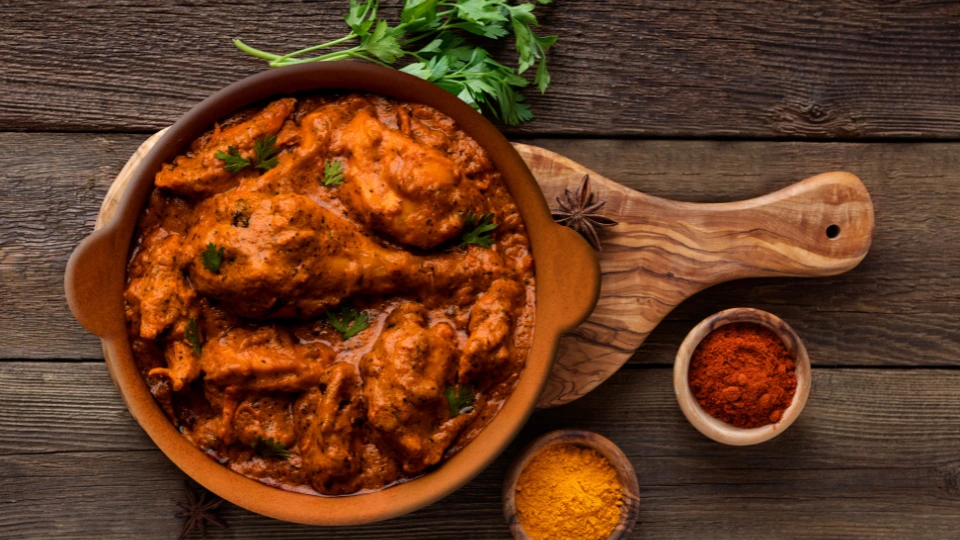
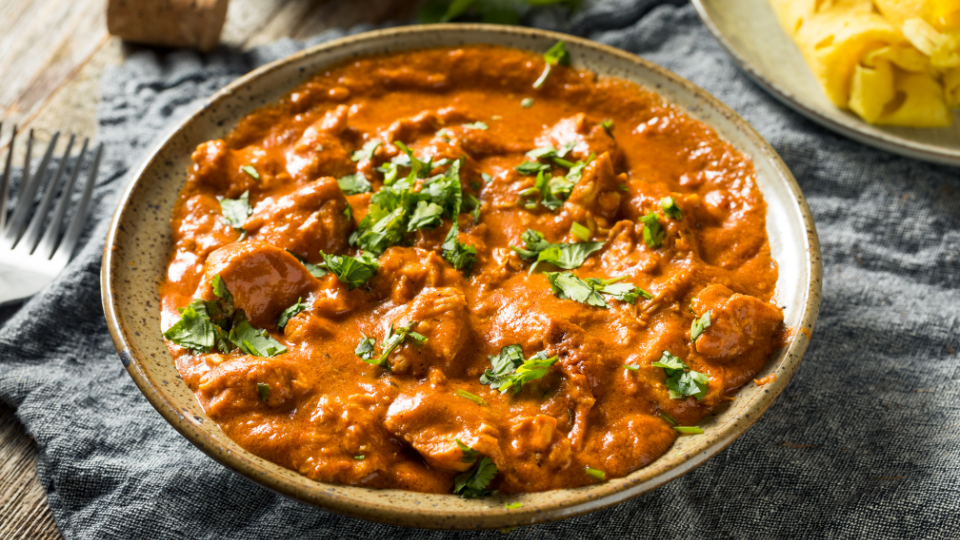
    Chicken tikka masala is one of those dishes that transcends borders, cultures, and dining tables across the globe. It is a meal that almost everyone recognizes, whether they have tasted it in a bustling Indian restaurant, enjoyed it at home with family, or encountered it on the menus of global eateries. The rich, creamy tomato-based sauce, paired with succulent pieces of spiced chicken, makes it a universally loved dish. The story behind this iconic curry is as fascinating as its flavor, and for many food enthusiasts, discovering its history is as satisfying as savoring the meal itself.

    In this blog, we will take a deep dive into the history and origins of this famous Indian-inspired dish, exploring how it came into existence and how it traveled across continents to become a household favorite. From its early roots in Mughal cuisine to its celebrated rise in British culture, and finally to its standing as a symbol of fusion food, its journey is one worth understanding. By the end of this article, you’ll not only know its story but also discover why Maharaja Riyasat is the perfect place to experience the most authentic flavors of this beloved meal.


    Things to Know Before Exploring the Story of Tikka Masala

    Before we dive into the story of tikka masala, it’s important to understand some key elements that shaped its creation and influence. The dish didn’t appear overnight; rather, it evolved through centuries of cultural exchanges, culinary innovations, and migrations that blended flavors from the East and the West.

    The Global Popularity of Indian Curry Dishes

    This flavorful curry is now served across the world, from five-star Indian restaurants to local curry houses. Its global popularity is a testament to how food can travel beyond geographical boundaries and become a cultural connector. Secondary keywords like “Indian curry” and “fusion cuisine” help illustrate how it represents both tradition and modern adaptation in global dining culture. For a deeper dive into Indian dishes that have gone global, check out our blog on Paneer Butter Masala vs Shahi Paneer.

    Part of this popularity stems from its adaptability. Whether enjoyed with rice, naan, or even as a filling for wraps, tikka masala caters to diverse palates. This versatility is why so many cuisines outside India have embraced it wholeheartedly, making it more than just an Indian dish—it has become a global culinary ambassador.

    The Role of Indian Cuisine in Global Food Culture

    Indian cuisine is celebrated for its rich use of spices, layered flavors, and vibrant colors, and this creamy tomato-based dish embodies all of these qualities. In the context of world food culture, it showcases how Indian dishes influence and inspire chefs and food lovers worldwide. The spread of meals like biryani, butter chicken, and tikka masala has allowed Indian cuisine to secure a permanent spot on the international culinary map. You can learn more about this influence in our blog on Punjabi Food Culture.

    Moreover, tikka masala reflects how Indian cuisine thrives on adaptation. While deeply rooted in traditional Indian cooking, it also embraces external influences. This ability to evolve while retaining authenticity makes it a true representative of Indian culinary heritage on the global stage.

    The Confusion Around Its True Origins

    One of the most intriguing aspects of tikka masala is the debate surrounding its origins. Some argue it was born in India as a natural progression of Mughal cooking, while others insist it was first crafted in the kitchens of Glasgow, Scotland. The lack of a definitive answer adds to the mystique of the dish and keeps food historians fascinated.

    This confusion is also symbolic of the dish itself—it represents a cultural blend, where no single culture can claim complete ownership. Instead, tikka masala stands as a joint creation, shaped by both Indian tradition and British innovation, embodying the spirit of fusion cuisine. Our blog on Chicken Tikka Masala vs Butter Chicken explores another layer of this culinary debate.

    Colonial and Post-Colonial Culinary Influences

    The colonial era significantly shaped the way Indian food was perceived and adapted in the West. British colonizers developed a taste for Indian spices and curries, leading to the creation of dishes that balanced Indian authenticity with Western preferences. Tikka masala is often seen as a direct result of this cross-cultural exchange.

    In the post-colonial era, waves of Indian immigrants brought their food traditions to the UK and other parts of the world. This migration allowed Indian cuisine to flourish globally, with this creamy curry emerging as a standout dish that symbolized cultural integration through food. If you want to explore how biryani also tells a similar story of migration and adaptation, read our blog on Authentic Biryani in Canada.

    How Fusion Foods Shape Modern Culinary Identity

    Tikka masala is one of the earliest examples of what we now call fusion food. By blending Indian spices and techniques with Western adaptations, it reflects how culinary identities are constantly evolving. Fusion dishes like this one allow cultures to connect while respecting each other’s traditions.

    In today’s globalized food scene, fusion foods are no longer outliers—they’re celebrated as creative expressions of cultural harmony. This curry remains at the forefront of this trend, proving that dishes born of cross-cultural experimentation can become timeless classics. Our guide to Indian Dining in Vaughan further explores how fusion continues to shape menus worldwide.


    The Historical Roots of Tikka Masala

    To understand tikka masala fully, we need to trace its roots back to the rich history of Indian cooking. Its foundations lie in dishes that were created long before the term itself was coined.

    The Origins of “Tikka” in Mughal Cuisine

    The word “tikka” refers to small pieces of meat marinated in spices and grilled, and its roots lie in Mughal cuisine. During the Mughal era, kebabs and grilled meats became popular in royal kitchens, influenced by Persian and Central Asian culinary traditions. Chicken tikka was one of many variations that came out of this period.

    What made tikka unique was its balance of smoky flavor from the tandoor and its intricate spice marinades. These qualities would later become the foundation for modern curry favorites when paired with creamy sauces.

    The Evolution of Curry Sauces in Indian Cooking

    Curry sauces have been an integral part of Indian cooking for centuries, evolving from simple spiced gravies to complex, layered sauces. The use of tomatoes, cream, and onions in curries created a rich base that perfectly complemented grilled meats like chicken tikka.

    As Indian cuisine developed regionally, these curry sauces diversified, creating variations that could suit different tastes and occasions. This adaptability of curry gravies made it possible for dishes like tikka masala to evolve and find widespread appeal.

    Tracing Chicken Tikka in Indian Royal Kitchens

    Chicken tikka was a regular feature in royal Mughal kitchens, often served as a delicacy during feasts. The emphasis on marination and slow cooking elevated its flavor profile, making it a standout dish among meat preparations.

    This royal association gave chicken tikka a certain prestige, ensuring it continued to be popular even outside palaces. When paired with curry gravies, it became accessible to a wider audience while still retaining its regal roots.

    The Influence of Street Food on Curry Dishes

    While chicken tikka had royal beginnings, it also found its way into Indian street food culture. Vendors began serving it with naan, chutneys, and eventually gravies, adapting it for everyday consumption. This accessibility made it more than just an elite dish—it became part of daily food culture.

    Street food innovations likely paved the way for the creation of tikka masala, as vendors and home cooks experimented with pairing grilled chicken with creamy sauces to satisfy diverse tastes.

    Regional Variations in India Before Globalization

    India’s regional cuisines added their own twists to tikka preparations. In the north, it was paired with rich gravies, while in the south, spices like curry leaves and coconut were added for local flavor. These regional adaptations show that tikka was already versatile before it made its way abroad.

    These variations created a culinary foundation that allowed this creamy curry to flourish when it eventually reached international audiences. It was a dish born ready to adapt and thrive in new cultural contexts.


    The British Connection to Tikka Masala

    The rise of this dish into global fame cannot be explained without acknowledging its connection to Britain. For many, it is just as British as it is Indian, reflecting the intertwined histories of the two nations.

    The Theory of Invention in Glasgow, Scotland

    One of the most popular origin stories claims that tikka masala was invented in Glasgow in the 1970s. According to this theory, a chef added a tomato-based sauce to grilled chicken tikka to satisfy a customer who wanted a dish with gravy. This improvisation allegedly gave birth to the dish we know today.

    While this story is debated, it highlights the dish’s hybrid nature—it was created to suit Western tastes while using Indian cooking techniques. This makes Glasgow an important chapter in its story.

    British Adaptations of Indian Dishes

    Indian food was already popular in Britain due to colonial influences, but dishes were often adapted to suit local preferences. Curries were made less spicy, creamier, and paired with bread and rice in familiar ways. This dish fit perfectly into this trend, balancing Indian spices with a Western-friendly texture and flavor.

    This adaptation made Indian cuisine approachable for many Britons who might have found traditional dishes too complex. Tikka masala became a gateway dish, opening the door to broader appreciation of Indian food.

    The Role of Indian Immigrants in Culinary Innovation

    Indian immigrants played a crucial role in popularizing this dish in the UK. They opened restaurants and brought authentic recipes while also creating new dishes that appealed to local audiences. Tikka masala was one such creation, born out of immigrant creativity and entrepreneurial spirit.

    These restaurateurs not only preserved Indian culinary traditions but also contributed to Britain’s evolving food culture. Their innovations helped cement its place as a beloved national dish.

    The Political Symbolism of Curry in the UK

    This dish gained political significance when it was described as a symbol of modern multicultural Britain. Politicians often referred to it as the “true national dish of Britain,” highlighting how it represented cultural integration and harmony between communities.

    This political symbolism elevated tikka masala beyond the dining table, turning it into a cultural icon. It became more than just food—it was a statement about identity and diversity.

    How It Became “Britain’s National Dish”

    By the late 20th century, tikka masala had become one of the most popular dishes in the UK. Its widespread availability in restaurants and takeaways, combined with its acceptance as part of British identity, earned it the title of “Britain’s national dish.”

    This recognition solidified its status as a cultural phenomenon, proving that food has the power to bridge nations and create shared identities.


    Cultural and Culinary Significance Today

    This dish’s influence continues to grow, making it one of the most celebrated meals in global cuisine. Its cultural and culinary significance goes beyond just taste—it reflects larger themes of tradition, innovation, and belonging.

    Tikka Masala as a Symbol of Fusion Cuisine

    Tikka masala is often cited as the quintessential fusion dish, blending Indian spices with Western culinary sensibilities. It demonstrates how food evolves when cultures intersect, creating something new yet rooted in tradition.

    As fusion cuisine gains popularity, this curry remains a shining example of how successful cultural blending can produce universally loved flavors. Its journey inspires chefs to experiment and create dishes that celebrate diversity.

    Its Place in Indian Restaurants Worldwide

    From Canada to Australia, Indian restaurants almost always feature tikka masala on their menus. It has become a staple dish, ensuring that customers who may not be familiar with the vast diversity of Indian food still find something approachable and comforting. If you want to know what else you should try at an Indian restaurant, explore our blog on Must-Try Authentic Punjabi Dishes.

    For many diners, this dish is their first introduction to Indian cuisine. Its universal appeal makes it a powerful ambassador for Indian food culture globally.

    Influence on Modern Chefs and Culinary Trends

    Modern chefs often take inspiration from tikka masala, using its flavors in innovative ways. Variations include tikka masala pasta, tacos, and even pizzas, proving its versatility and ability to adapt to new culinary trends.

    This ongoing influence ensures that it remains relevant in contemporary food culture. It is not just a classic—it is a dish that continues to evolve with the times.

    The Dish in Pop Culture and Media

    This curry frequently appears in films, TV shows, and books as a cultural reference point. Its presence in popular media reflects its widespread recognition and significance beyond just food lovers.

    These references reinforce its identity as a global dish, familiar to audiences from different backgrounds. Pop culture has played an important role in maintaining its status as an iconic meal.

    Why It Remains a Comfort Food Across Cultures

    At its core, tikka masala is comfort food. The creamy, mildly spiced sauce combined with tender chicken provides a sense of warmth and satisfaction that resonates across cultures. It is a dish that brings people together, whether at family dinners or social gatherings.

    This universality is why it continues to be beloved across generations and geographies. It offers both familiarity and excitement, making it a timeless favorite.


    Why Choose Maharaja Riyasat for Authentic Indian Cuisine

    At Maharaja Riyasat, we believe that food should be more than just a meal—it should be an experience that connects you to history, tradition, and culture. Our chefs bring years of expertise and passion to every dish, ensuring that classics like tikka masala are prepared with authenticity and care. By blending traditional Indian techniques with modern presentation, we create a dining experience that celebrates both heritage and innovation.

    When you order this dish at Maharaja Riyasat, you can expect flavors that honor its rich history. From the careful marination of the chicken to the slow-cooked, creamy tomato sauce, every detail is crafted to perfection. We also ensure that the dish complements the rest of our menu, offering you a complete culinary journey through India’s diverse food traditions. Explore our menu and make a reservation to enjoy authentic Indian dining today.

    Our commitment to quality ingredients, authentic recipes, and warm hospitality makes us the perfect choice for anyone seeking to experience the true essence of Indian cuisine. Whether you are exploring Indian food for the first time or are a seasoned enthusiast, Maharaja Riyasat is your destination for unforgettable flavors.


    Conclusion

    The history and origins of tikka masala reveal more than just how a dish was created—it tells the story of cultural exchange, adaptation, and the unifying power of food. From its beginnings in Mughal kitchens to its reinvention in Britain, it reflects the blending of traditions that continues to shape our world today. Its status as a global favorite underscores the way food can transcend borders, bringing people together through shared flavors and experiences.

    At Maharaja Riyasat, we are proud to serve this iconic dish with the authenticity and passion it deserves. By honoring its history while perfecting its taste, we ensure that every plate carries forward its rich legacy. So the next time you crave a dish that represents both tradition and modernity, look no further than Maharaja Riyasat—where every bite is a journey through history, culture, and flavor. Visit our home page to start your journey into authentic Indian cuisine.

  • Authentic Chicken Tikka Masala in Canada

    Authentic Chicken Tikka Masala in Canada

    Introduction

    Chicken Tikka Masala is one of those dishes that instantly brings comfort to the dining table. Its rich, creamy gravy infused with aromatic spices complements tender marinated chicken pieces, making it a favorite for food lovers worldwide. For many Canadians, the craving for authentic Indian cuisine leads them to explore restaurants offering the real flavors of India. If you have ever wondered where to enjoy authentic Chicken Tikka Masala in Canada, this guide will help you uncover the details before indulging in this classic dish.

    In this blog, we’ll explore the journey of Chicken Tikka Masala, what makes it authentic, and how Canadians can find the best version right here. We’ll cover ingredients, cooking styles, dining tips, and the best places serving this delicacy. Whether you are an Indian food enthusiast or someone new to the cuisine, by the end you’ll know exactly where to experience the most authentic Chicken Tikka Masala in Canada. Explore our full menu here and discover dishes that satisfy your cravings.


    Things to Know Before Ordering Chicken Tikka Masala in Canada

    Before you order your favorite dish, it’s essential to know what makes Chicken Tikka Masala authentic. Many restaurants claim to serve the real deal, but authenticity lies in ingredients, preparation, and the balance of spices. In Canada, where Indian cuisine is loved by people from many backgrounds, ensuring you get a traditional version is key to enjoying the best flavors.

    If you are curious about how Indian curries differ, you may enjoy our guide on Chicken Tikka Masala vs Butter Chicken. It breaks down the similarities and differences between two of India’s most loved dishes.


    The Role of Spices in Chicken Tikka Masala

    Spices are the heart of Indian cuisine, and Chicken Tikka Masala is no exception. Authentic recipes use cumin, coriander, turmeric, garam masala, and chili powder to create rich flavor. These spices are often roasted and ground fresh, ensuring depth and complexity. Without them, the dish risks tasting flat and lacking the signature warmth food lovers expect.

    For more on spice culture in Indian food, visit our blog on Exploring the Rich Spices of Punjabi Food. It reveals how spices shape the flavor profile of Indian dishes.

    Spices also tell regional stories. Punjabi kitchens use more ghee and garam masala, while South Indian versions may add curry leaves or coconut cream. Canadian restaurants that honor these traditions create dishes that feel authentic and memorable, while still catering to local preferences.


    Why Marination Matters in Chicken Tikka Masala

    Marination gives Chicken Tikka Masala its tender, flavorful chicken pieces. Traditionally, chicken is marinated overnight in yogurt mixed with garlic, ginger, and spices. This process not only tenderizes the meat but also infuses it with flavors that balance perfectly with the creamy sauce.

    If you enjoy creamy dishes, check our blog on Paneer Butter Masala. It explores another North Indian favorite that uses marination and cream-based gravies.

    The marination process reflects patience and tradition. Many quick-service restaurants skip this step. Authentic Indian dining spots in Canada take the time to marinate properly. This ensures the chicken does not just taste like it was cooked in the sauce but carries its own spice-infused depth.


    Tomato and Cream: The Base of Authentic Sauce

    The creamy, tangy sauce of Chicken Tikka Masala is a defining feature. Authentic recipes use fresh tomatoes or purée, slow-cooked with butter, cream, and spices. This balance of tangy and rich flavors makes the dish irresistible.

    For another tomato-based dish, check our blog on Paneer Butter Masala vs Shahi Paneer. It shows how similar ingredients can create completely different results.

    In Canada, some restaurants take shortcuts with canned sauces or heavy cream. While convenient, these often miss the depth of slow-cooked tomato gravies. Authentic sauce requires patience. When it has been given time to develop, it feels smooth, layered, and comforting.


    How Canadian Restaurants Adapt Chicken Tikka Masala

    Authenticity matters, but adaptation also plays a role in making Chicken Tikka Masala accessible in Canada. Many restaurants adjust spice levels to suit local tastes, offering mild, medium, or hot options. This ensures even newcomers to Indian food can enjoy the dish without feeling overwhelmed.

    For insights into how Indian cuisine adapts globally, read our blog on Punjabi Food Culture. It explains how traditional dishes evolve while keeping their roots intact.

    Canadian chefs also innovate with locally sourced ingredients. Some prepare Chicken Tikka Masala with Ontario-raised chicken or pair it with Canadian wines. These adaptations don’t take away authenticity but celebrate a unique fusion.


    Pairings That Elevate Chicken Tikka Masala

    No dish is complete without the right pairing. Chicken Tikka Masala pairs well with garlic naan, jeera rice, or tandoori roti. Each side enhances the sauce’s rich flavor. The smoky char of naan or the earthy flavor of rice elevates the dining experience.

    If you are ready to try these pairings, make a reservation at Maharaja Riyasat and enjoy the authentic experience in a royal dining setting.

    Pairings also depend on occasion. A casual dinner may call for naan and rice, while a festive meal could include biryani or stuffed parathas. Our blog on Paratha vs Roti explains how Indian breads differ and which ones make the best companions for gravies.


    Tips for Enjoying Chicken Tikka Masala the Authentic Way

    Eat It Fresh and Hot

    Chicken Tikka Masala is best enjoyed fresh and hot. The flavors intensify when served directly from the pan. Reheated leftovers rarely match the authentic experience. That is why many food lovers prefer dining in at Maharaja Riyasat instead of relying on takeout.

    Pair It with the Right Drink

    Beverages matter. While water or soda is common, a lassi, chai, or wine can elevate the meal. Mango lassi balances spice, while masala chai complements warmth. If you are curious about pairings, our blog on Authentic Biryani in Canada shares insights into pairing Indian dishes with drinks.


    Regional Variations of Chicken Tikka Masala

    Chicken Tikka Masala may be famous worldwide, but it is not identical everywhere. In India, the recipe changes based on geography. Northern recipes lean on ghee, garam masala, and cream. Southern kitchens sometimes use coconut milk or curry leaves, giving the dish a tropical twist.

    In Canada, some restaurants also add local touches. You might find versions that use maple-infused cream or locally grown vegetables for added texture. These variations are interesting, but the soul of the dish remains the same: tender marinated chicken in a rich, flavorful sauce.

    Understanding these variations makes it easier to identify authentic preparations. Authenticity does not mean every version tastes the same. It means the dish respects tradition while adapting with creativity.


    Best Places to Find Authentic Chicken Tikka Masala in Canada

    Not all restaurants are equal when serving Chicken Tikka Masala. Some focus on quick service, while others commit to bringing authentic Indian flavors to Canadian tables. Authentic restaurants emphasize slow cooking, balanced spices, and fresh ingredients.

    One such place is Maharaja Riyasat. Here, Chicken Tikka Masala is prepared using time-honored recipes and authentic spices. The restaurant brings a royal Indian dining experience to Canada, ensuring every dish carries the essence of Indian cuisine.

    Dining here is about more than food. From regal interiors to attentive service, Maharaja Riyasat creates an atmosphere where every visit feels special. For Indian food lovers, it’s not just a meal but a cultural journey worth repeating.


    Why Choose Maharaja Riyasat for Authentic Indian Cuisine?

    Maharaja Riyasat stands out as a premier spot for authentic Indian dining in Canada. The restaurant ensures dishes like Chicken Tikka Masala are prepared using original recipes and fresh ingredients. Skilled chefs bring expertise and passion, capturing India’s rich culinary heritage.

    Beyond food, Maharaja Riyasat offers ambiance that enhances every meal. Whether you dine in or order online, you can expect quality and consistency. For anyone searching for authentic Chicken Tikka Masala in Canada, Maharaja Riyasat is the perfect choice. Visit our about page to learn more about our story and what sets us apart.


    Conclusion

    Chicken Tikka Masala has traveled worldwide, but its essence remains rooted in tradition. In Canada, where diverse cuisines thrive, finding authentic Chicken Tikka Masala means looking for the right balance of spices, marination, and care in preparation. Restaurants like Maharaja Riyasat ensure Canadians don’t just taste Indian food but experience it in its truest form.

    For many, Chicken Tikka Masala is more than food. It’s a cultural bridge, a way to savor India’s richness in the heart of Canada. With the right restaurant and thoughtful pairings, an ordinary dinner becomes a royal dining experience.

    If you are ready to indulge in authentic Chicken Tikka Masala, make Maharaja Riyasat your go-to destination. Contact us today and enjoy a meal that brings India’s culinary richness to your table.

  • Chicken Tikka Masala vs Butter Chicken Explained

    Chicken Tikka Masala vs Butter Chicken Explained

    Introduction

    Chicken Tikka Masala and Butter Chicken are two of the most iconic Indian dishes loved worldwide. For many food lovers, the rich gravies and tender chicken pieces make them irresistible. While both dishes appear similar, they differ in taste, preparation, and history. If you ever wonder which to choose at Maharaja Riyasat, this blog will help. Here, we break down the differences, highlight their unique flavors, and guide you toward making the perfect choice when dining.

    At Maharaja Riyasat, we take pride in offering authentic Indian flavors that reflect centuries-old traditions. This blog explores the origins, preparation methods, ingredients, and taste profiles of both dishes. By the end, you’ll know which suits your palate best. Whether you prefer spice, creaminess, or enjoy culinary history, this guide provides clarity while connecting you to the best dining experience in Canada.


    Things to Know Before Comparing These Curries

    Before comparing the two dishes directly, it’s important to understand the broader context of Indian cuisine. Both Butter Chicken and spiced chicken curries like Tikka Masala are rooted in regional traditions and culinary creativity. Their preparation styles vary, and chefs often add their own signature touch, making every version slightly unique.

    Indian cuisine has always adapted to cultural preferences, and these two meals show how flavors evolve across borders. Chefs may prepare them differently, but both remain timeless classics. At Maharaja Riyasat, our chefs respect authenticity while balancing spices and flavors. They ensure that each dish tells a story and delivers the royal experience our guests expect.

    Origins of Butter Chicken

    Butter Chicken, or Murgh Makhani, was first created in Delhi in the 1950s at the legendary Moti Mahal restaurant. The story says that leftover tandoori chicken was simmered in tomato-based gravy with butter and cream. This innovation prevented waste and gave birth to one of the most popular curries in Indian cuisine.

    Its creamy, mildly sweet taste soon appealed to both locals and international diners. Butter Chicken’s popularity spread rapidly, making it a favorite across the world. Today, no Indian menu is complete without it. At Maharaja Riyasat, our chefs prepare it in the traditional style, preserving the authentic creaminess and subtle smokiness that make it unforgettable.

    Origins of Tikka Masala Curry

    The origins of Tikka Masala curry are more debated. Many historians suggest it was created in the United Kingdom by Indian chefs adjusting dishes to suit British tastes. Unlike Butter Chicken, it was designed to be bolder and spicier, using marinated chicken tikka pieces cooked in a tomato and cream-based sauce.

    Over time, this curry became a household favorite in the UK and earned the title of “Britain’s true national dish.” Today, it enjoys worldwide popularity, especially among those who prefer spice and stronger flavors. At Maharaja Riyasat, we combine tradition and innovation to create a version that appeals to modern food lovers while staying authentic.

    Key Ingredients in Butter Chicken

    Butter Chicken is defined by its rich, creamy gravy. The base includes tomatoes, butter, cream, and mild spices such as cinnamon, cardamom, and garam masala. The chicken is usually cooked in a tandoor before being added to the sauce, creating a subtle smoky taste. However, the sauce remains the highlight, with its velvety texture and mild sweetness.

    This dish is often recommended to those new to Indian food. It is flavorful but not overwhelming, making it suitable for all age groups. At Maharaja Riyasat, we prepare Butter Chicken with fresh cream, top-quality butter, and a perfect blend of spices, ensuring every bite is both comforting and authentic.

    Key Ingredients in Spiced Tikka Curry

    Tikka Masala curry relies on bolder spices and a yogurt-based marinade. The chicken is marinated with turmeric, cumin, coriander, chili powder, and yogurt before being roasted in a tandoor. This gives it a smoky, charred flavor. The sauce combines tomatoes, onions, garlic, ginger, and cream, producing a spicier and more layered dish than Butter Chicken.

    The use of yogurt and strong spices in the marinade sets this curry apart. It appeals to diners who enjoy heat and complexity. At Maharaja Riyasat, we prepare it to balance bold flavors while adjusting spice levels according to guest preferences.

    Popularity Around the World

    Butter Chicken spread globally due to its mild, creamy taste. It is often recommended as the first curry for beginners exploring Indian food. Today, it is one of the most ordered dishes in Indian restaurants across the globe.

    Tikka Masala curry gained prominence in the UK before expanding internationally. Its robust and spiced flavor made it a favorite for diners seeking adventure. Both dishes have become culinary ambassadors of Indian cuisine. At Maharaja Riyasat, we see equal love for both, as they cater to different moods and tastes.


    Comparing Tikka Masala Curry and Butter Chicken

    Taste Profile of Tikka Masala vs Butter Chicken

    Butter Chicken is mild, creamy, and slightly sweet, offering comfort and warmth. It is the go-to dish for beginners or anyone seeking a soothing curry. Tikka Masala, however, is spicier, smoky, and full of layered flavors. It excites adventurous eaters and those who enjoy complex spice blends.

    Preparation Method in Both Curries

    Butter Chicken highlights its gravy, with chicken added after light cooking. Tikka Masala begins with marinated chicken roasted or grilled, then added to its tomato-based sauce. These methods result in different textures and depth of flavor.

    Spice Levels in Chicken Tikka Curry vs Butter Chicken

    Butter Chicken remains mild and suitable for diners with low spice tolerance. Tikka Masala uses more spices in both marinade and sauce, offering medium to hot spice levels. At Maharaja Riyasat, guests can request adjustments, allowing everyone to enjoy their ideal balance of heat and flavor.

    Global Perception of These Iconic Dishes

    Butter Chicken represents comfort food and is often seen as the universal face of Indian cuisine. It symbolizes richness and luxury while remaining accessible. Tikka Masala, on the other hand, stands as a bold, cultural icon in the UK and beyond. Both highlight the adaptability of Indian cooking to global palates.

    Perfect Pairings with Indian Chicken Curries

    Butter Chicken pairs beautifully with naan, especially butter or garlic naan. The bread soaks up the creamy sauce perfectly. Tikka Masala goes well with basmati or jeera rice, which balances its spiciness. At Maharaja Riyasat, we recommend pairing these dishes with our freshly baked naan and fragrant rice to complete your meal.

    Nutritional Comparison of Butter Chicken vs Tikka Curry

    Butter Chicken is richer due to its cream and butter base, adding extra calories. Tikka Masala, while creamy, uses yogurt marinades and more tomatoes, making it slightly lighter. Both offer good protein through chicken. For calorie-conscious diners, Tikka Masala may be a better option. At Maharaja Riyasat, we adjust recipes to fit dietary needs without compromising authenticity.

    Dining Experience with These Dishes

    Butter Chicken delivers indulgence and comfort, like a warm hug in a dish. Tikka Masala excites with smoky notes and vibrant spices. Dining with friends or family, both dishes create a balance of comfort and adventure. At Maharaja Riyasat, we encourage guests to enjoy them together for the best culinary experience.

    Cultural Influence of Indian Curries

    Butter Chicken reflects traditional Indian dining and continues to be linked with family meals and celebratory occasions. Tikka Masala, with its fusion roots, symbolizes the adaptability of Indian flavors in international contexts. At Maharaja Riyasat, we honor both traditions, serving dishes that resonate with culture while appealing to today’s diners.


    Why Choose Maharaja Riyasat for These Signature Dishes

    At Maharaja Riyasat, dining is more than eating—it’s an experience. Our chefs master authentic Indian cooking with fresh, premium ingredients and imported spices. When you order Butter Chicken or a Tikka Masala curry, you enjoy not only taste but tradition. Every dish reflects centuries of culinary heritage passed down from royal kitchens.

    We ensure Butter Chicken retains its creamy, comforting identity, while Tikka Masala remains bold and smoky. With customizable spice levels, fresh sides, and elegant presentation, your dining experience becomes unforgettable. Choosing Maharaja Riyasat means choosing authenticity, care, and flavors crafted with passion.


    Conclusion

    Tikka Masala curry and Butter Chicken both showcase the richness of Indian cuisine. Though they may look alike, their origins, preparation, and flavors make them distinct. Butter Chicken is perfect for those who enjoy mild creaminess, while Tikka Masala satisfies spice lovers seeking complexity.

    At Maharaja Riyasat, we proudly serve both with dedication to authenticity. Whether you are new to Indian cuisine or an experienced fan, our dishes offer something special. Next time you face the choice between Butter Chicken and Tikka Masala, remember—you don’t have to choose. At Maharaja Riyasat, you can enjoy both, each crafted with the royal touch that defines our cuisine. Our menu invites you to explore Indian food in its finest form, blending heritage, authenticity, and taste into every dish.