Blog

  • The History and Heritage of Gulab Jamun

    The History and Heritage of Gulab Jamun

    Introduction

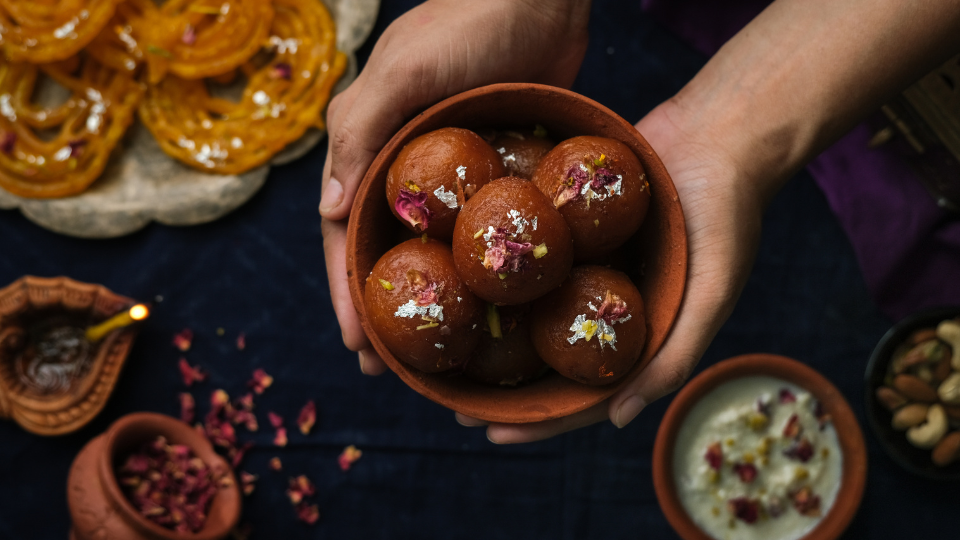
    Few desserts hold the same emotional and cultural significance as gulab jamun. This golden-brown delicacy, soaked in fragrant sugar syrup, is not just a sweet—it’s a symbol of celebration, togetherness, and heritage. Across generations, families have cherished gulab jamun during weddings, festivals, and casual gatherings, making it an integral part of culinary traditions. Whether enjoyed warm or cold, its rich flavors instantly connect people to nostalgia, culture, and community, reminding us of the sweetness of shared moments.

    In this blog, we’ll explore the rich history and cultural heritage of gulab jamun. From its origins in the Mughal courts to its presence in modern fusion desserts, gulab jamun’s journey is as fascinating as its taste. We’ll also look at its regional variations, symbolic role in festivals, and how it has become a global favorite. If you want to experience authentic gulab jamun and other Indian sweets, you can explore the Maharaja Riyasat menu and indulge in true culinary royalty.


    Things to Know About Gulab Jamun’s Origins

    Before diving into gulab jamun’s global influence, it’s important to understand its roots. Its history spans across centuries, shaped by diverse cultures and evolving tastes. Let’s uncover the essential aspects of its origin and transformation.

    Persian and Mughal Influence

    The origins of gulab jamun trace back to Persia, where similar fried dough confections were first made. When the Mughals brought their culinary traditions to India, they infused Persian techniques with Indian flavors. The word “gulab” itself is derived from the Persian “gol” (flower) and “ab” (water), a reference to rose water syrup that traditionally flavored the dessert. Over time, Indian chefs adapted these recipes, giving rise to the soft, syrupy gulab jamun we know today.

    The Mughal courts popularized the dish, where it was considered a royal indulgence. Rich ingredients like khoya, saffron, and cardamom elevated its flavor. This fusion of Persian and Indian culinary art led to the dessert’s prestige, cementing gulab jamun as an essential sweet at grand feasts. Even today, many Indian sweets carry this Mughal legacy, much like biryani and kebabs that also emerged from the same cultural exchange.

    The Etymology of Gulab Jamun

    The name “gulab jamun” itself is a story. As mentioned, “gulab” means rose water, while “jamun” refers to a small, dark-purple fruit native to India. The resemblance of the sweet’s round shape and deep color to the jamun fruit gave it the second half of its name. Together, the name beautifully symbolizes the blend of Persian influence with Indian identity.

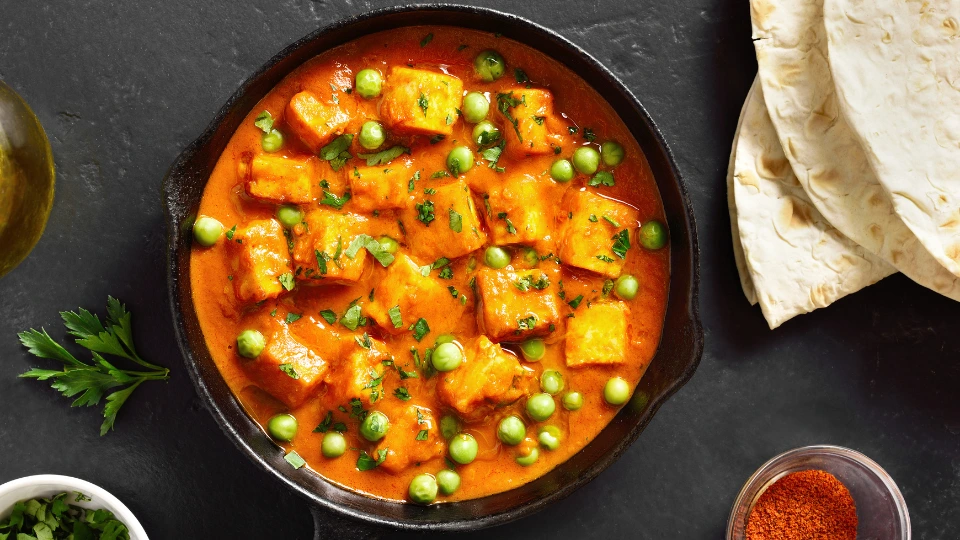
    Etymology aside, the dessert’s cultural value lies in how its name has become universal. Across South Asia and the Indian diaspora worldwide, gulab jamun retains its name and recognition. It serves as both a cultural marker and a testament to the dish’s timeless appeal, much like how paneer butter masala represents the essence of Indian curries.

    Regional Variations Across India

    India’s culinary diversity has given rise to countless variations of gulab jamun. In North India, khoya-based gulab jamuns are the most popular. In Bengal, a similar sweet called “pantua” is made, while in South India, milk powder or flour-based versions are common. Each region has added its own flair—sometimes soaking the balls in jaggery syrup instead of sugar, or stuffing them with nuts for added richness.

    These variations highlight the adaptability of the dessert. Just as roti and paratha vary across India’s regions (learn more about paratha vs roti), gulab jamun has embraced local tastes while retaining its core identity. This flexibility has ensured its survival and popularity through centuries of changing food trends.

    Symbolism in Festivals and Weddings

    Gulab jamun is more than just food—it’s symbolic. In Indian weddings, it represents sweetness for the new journey ahead. During Diwali, Eid, and Holi, gulab jamun is a staple, symbolizing prosperity, happiness, and unity. The dessert is not only enjoyed but also gifted, strengthening social bonds.

    This symbolic role extends beyond religious boundaries. Gulab jamun’s universal appeal has made it a cultural bridge, much like Punjabi food traditions that unite people across communities. Offering gulab jamun is seen as a gesture of love and goodwill, reinforcing its place in cultural celebrations.

    Global Popularity and Modern Fusion Desserts

    Today, gulab jamun has transcended borders. From Indian restaurants in Canada to global fusion kitchens, it has taken many new forms—gulab jamun cheesecakes, ice creams, and even cocktails. Its versatility has kept it relevant, appealing to younger generations while honoring tradition.

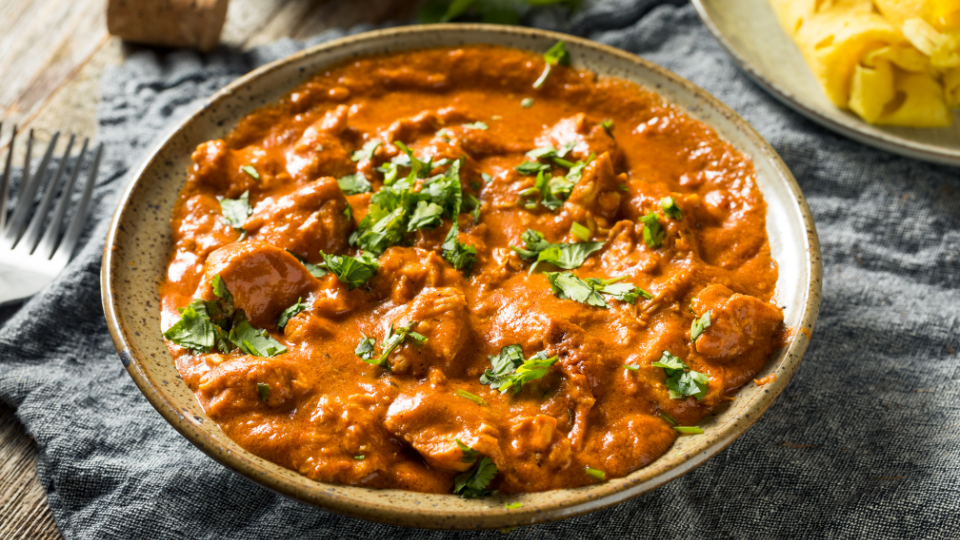
    The global journey of gulab jamun mirrors that of Indian cuisine itself. Just as dishes like chicken tikka masala have found international fame, gulab jamun represents the sweetness of Indian culture worldwide. Its adaptations show that tradition and innovation can coexist beautifully.


    Gulab Jamun in Mughal Courts

    The Mughal courts were the birthplace of gulab jamun’s prestige. Lavish feasts often featured this sweet as a centerpiece. Cooked in pure ghee and infused with saffron, these early gulab jamuns were a symbol of opulence. They reflected the Mughal emphasis on refined culinary experiences, blending Persian elegance with Indian richness.

    The Mughal legacy continues to influence Indian desserts today. Their tradition of grandeur and indulgence still inspires chefs at fine-dining establishments. At Maharaja Riyasat, this same ethos of royal dining is celebrated, giving diners a taste of heritage through authentic recipes.


    Gulab Jamun in Indian Festivals

    From Diwali to Eid, gulab jamun is a festival favorite. Its sweetness is seen as an omen of joy, while its round shape symbolizes wholeness and unity. Families prepare or purchase gulab jamuns in bulk to share with loved ones during festivities, reinforcing its role in collective celebration.

    During Diwali, gulab jamun’s presence is nearly unavoidable, much like the sound of firecrackers or the glow of diyas. Its role in Eid feasts also emphasizes harmony and togetherness, bridging traditions across religions. In this way, gulab jamun becomes not just a dessert but a cultural connector.


    Gulab Jamun and Family Traditions

    Every Indian household has a gulab jamun story. Some families treasure recipes passed down for generations, while others associate it with memories of festive gatherings. Children often learn to roll and fry gulab jamun balls alongside their parents, making it part of their culinary education.

    These traditions extend into the diaspora. For Indian families abroad, making gulab jamun keeps them connected to their roots. It’s not just about taste, but about preserving identity and passing down heritage through food, much like how biryani binds generations together.


    Gulab Jamun in Modern Indian Cuisine

    Modern Indian chefs have reimagined gulab jamun with creativity. Variations like chocolate-stuffed gulab jamun, baked versions, and fusion desserts have entered contemporary menus. Restaurants now experiment with plating styles and pairings, elevating gulab jamun into fine dining experiences.

    Yet, even with these innovations, the heart of gulab jamun remains unchanged—soft, syrupy, and comforting. This blend of tradition and modernity ensures that gulab jamun appeals to both purists and adventurous eaters, continuing its relevance in evolving culinary landscapes.


    Gulab Jamun Beyond Borders

    Beyond India, gulab jamun is a global star. It is widely available in Indian restaurants across North America, Europe, and the Middle East. Its popularity has grown not only among the diaspora but also among locals who’ve embraced it as part of their sweet repertoire.

    In Canada, gulab jamun has become a staple of Indian dining. Restaurants like Maharaja Riyasat bring authentic recipes to international audiences, allowing food lovers to experience the rich cultural heritage of Indian desserts firsthand. It has become a cultural ambassador, much like Punjabi dining in Vaughan.


    Why Choose Maharaja Riyasat for Authentic Gulab Jamun?

    Maharaja Riyasat is more than a restaurant—it’s a celebration of Indian culinary royalty. Their gulab jamun is made using authentic methods, with khoya, saffron, and cardamom creating the perfect balance of richness and aroma. Each bite reflects centuries of tradition and the legacy of Mughal kitchens.

    Beyond gulab jamun, Maharaja Riyasat offers a wide variety of Indian sweets and dishes, each crafted to preserve authenticity. With locations like Mississauga, and a full-service reservation system, dining here is not just about food but about experiencing heritage. Choosing Maharaja Riyasat means choosing a royal experience in every bite.


    Conclusion

    The history and heritage of gulab jamun reveal why it remains one of the most beloved Indian desserts. From its Persian roots and Mughal refinement to its regional adaptations and global popularity, gulab jamun embodies the story of Indian culinary evolution. It is both a dessert and a cultural emblem, symbolizing joy, unity, and tradition across generations.

    Whether you’re celebrating a festival, honoring family traditions, or exploring modern Indian cuisine, gulab jamun always holds a special place. To experience authentic flavors, visit Maharaja Riyasat and indulge in this royal delicacy. With every bite, you’ll taste not just sweetness, but centuries of history and cultural richness.


    Summary

    Gulab jamun is more than a dessert—it’s a heritage. From Persian origins to Mughal refinement, regional adaptations, and global fusion, its journey is a testament to cultural exchange and culinary artistry. It is celebrated at weddings, festivals, and family gatherings, bridging communities and generations. Maharaja Riyasat continues this tradition, offering authentic gulab jamun alongside a royal dining experience. For anyone craving the sweetness of history, culture, and flavor, Maharaja Riyasat is the perfect destination to indulge in authentic Indian cuisine.
  • How Fresh Samosa Brings People Together

    How Fresh Samosa Brings People Together

    Introduction

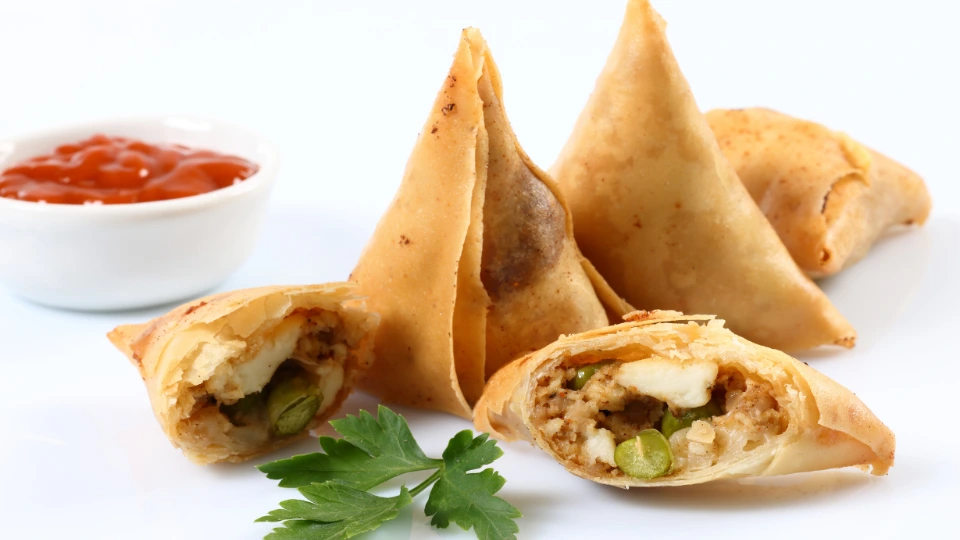
    There are few foods as universally loved as the humble samosa. Its crispy golden shell, filled with spiced potatoes, peas, or sometimes even minced meat, makes it an irresistible snack for all occasions. Whether enjoyed at a festive gathering, a family tea-time, or a casual get-together, the sight of fresh samosas instantly sparks joy. Beyond just being delicious, samosas carry cultural significance that connects people across regions, traditions, and generations. They are as much about memories and emotions as they are about flavor.

    In this blog, we’ll explore how fresh samosas play a vital role in bringing people together. From being a staple at festivals to a favorite street food snack, samosas represent more than taste—they embody community, togetherness, and celebration. We’ll also dive into pairings, cultural contexts, and why enjoying authentic samosas at Maharaja Riyasat offers an unmatched experience. By the end, you’ll see why this classic Indian snack deserves a place at every table and why it remains a timeless symbol of unity.


    Things to Know About the Role of Samosa in Bringing People Together

    Before we dive into pairings and modern experiences, it’s worth exploring why samosas are considered such a unifying food. From cultural traditions to casual gatherings, they are central to social experiences in Indian dining.

    Samosa as a Festival Food

    During major Indian festivals like Diwali or Holi, samosas are a staple snack. Families prepare large batches, sharing them with guests, neighbors, and friends. The act of making and distributing samosas becomes an expression of love and hospitality.

    These festive moments highlight how food fosters togetherness. Just as sweets symbolize joy, samosas bring warmth and comfort. To dive deeper into festive Indian flavors, you may enjoy our blog on authentic Punjabi dishes, where samosas often play a starring role.

    Tea-Time Gatherings with Samosas

    In Indian households, evening tea-time often transforms into a mini feast when samosas are served. The pairing of hot chai with fresh, crispy samosas creates a ritual families and friends eagerly look forward to. Conversations flow more easily over this simple yet satisfying combination.

    This is why samosas are considered the ultimate comfort snack. At Maharaja Riyasat, you can experience this same comfort with fresh, authentic flavors that remind you of home. For a similar comfort food story, check out our blog on best Indian food delivery for busy nights.

    Samosa in Cultural Celebrations

    Samosas are more than snacks—they are symbols of cultural pride. At weddings, birthdays, and community gatherings, they are served as starters, delighting guests before the main meal. Their universal appeal ensures that everyone, young and old, enjoys them.

    In Punjabi culture, samosas often find a special place on celebratory platters, paired with chutneys and sweets. For more on Punjabi dining traditions, you can read our blog on Punjabi food culture, which showcases the role of snacks like samosas in large gatherings.

    Street Food and Community Bonding

    In India, street food stalls selling hot, fresh samosas are gathering points for people of all ages. Whether it’s students after school, office workers on break, or families out for a stroll, sharing a plate of samosas brings people together in public spaces.

    Street food culture fosters a sense of community. The affordability and accessibility of samosas make them a democratic snack—beloved by everyone regardless of background. To explore more about the role of street food, you can browse our blog on authentic biryani in Canada, another dish with street food roots that found global fame.

    Sharing Samosas in Modern Dining

    Today, samosas have transcended traditional settings and are enjoyed in restaurants, cafes, and even global fusion menus. Sharing samosas at a restaurant table has become a way to bond, just like ordering appetizers in Western dining traditions. Their adaptability ensures that samosas remain relevant across cultures and generations.

    At Maharaja Riyasat, samosas are crafted with authenticity while catering to modern dining preferences. This makes them perfect for both traditional celebrations and casual hangouts.


    Exploring Fresh Samosa Pairings & Experiences

    Fresh samosas are delightful on their own, but they truly shine when paired with the right sides and drinks. Let’s explore how different pairings make the experience even better.

    Samosa with Chutneys

    No samosa experience is complete without chutneys. Mint chutney adds freshness, while tamarind chutney brings sweetness and tang. Together, they elevate the flavors, making every bite more dynamic.

    These chutneys symbolize the balance of flavors in Indian cuisine—spicy, sweet, tangy, and savory in harmony. For more on balanced flavors, read our blog on exploring the rich spices of Punjabi food. Pairing chutneys with samosas is more than tradition; it is an art of enhancing flavors.

    Samosa with Chai

    Hot masala chai paired with crispy samosas is a legendary duo. The warmth of the tea balances the fried exterior, while the spices in both complement each other perfectly. It’s a pairing rooted in tradition and beloved across India.

    This combination is so powerful that it has become a cultural ritual, enjoyed daily by millions. You can replicate this at home or visit Maharaja Riyasat for a truly authentic experience. The connection between chai and samosa represents comfort, hospitality, and togetherness.

    Samosa as Party Starters

    At social gatherings, samosas often serve as starters. Their bite-sized appeal makes them perfect finger food for mingling guests. They bring people together at parties just as much as they do at traditional events.

    Guests often remember the appetizers first, which is why samosas play such a crucial role. They create an immediate impression of warmth and hospitality. By pairing them with chutneys and refreshing drinks, hosts ensure a memorable experience.

    Samosa in Indian Weddings and Events

    In Indian weddings, the food is as important as the rituals. Samosas are always part of the starter menu, pleasing guests with their crispy shells and flavorful fillings. They are versatile enough to fit in both traditional and modern menus.

    Their presence at weddings symbolizes sharing happiness and prosperity. Just like biryani or paneer butter masala, they are dishes that represent celebration. For a deeper look at Indian event dining, read our blog on paneer butter masala vs. shahi paneer.

    Samosa in Global Kitchens

    The samosa has gone global, finding its way into fusion cuisines across the world. From samosa wraps to samosa-inspired burgers, chefs have reimagined this snack to suit international palates. Despite variations, the essence of sharing and togetherness remains intact.

    At Maharaja Riyasat, you can experience authentic samosas while appreciating how they’ve inspired chefs worldwide. It’s proof of their timeless appeal and adaptability. In fact, many Canadian foodies now consider samosas their go-to Indian snack.

    Samosa with Raita

    Pairing samosas with raita creates a refreshing balance. The yogurt-based dip cools the palate, especially when the samosa is filled with spiced potatoes. It’s a simple addition, but it transforms the snack into a more wholesome experience.

    Raita also adds a nutritional element, combining probiotics with flavor. At Maharaja Riyasat, variations like cucumber raita and boondi raita make the perfect partners for samosas, ensuring a complete flavor journey.

    Samosa with Street-Style Drinks

    In street food culture, samosas are often paired with drinks like masala soda or chilled buttermilk. These beverages provide a cooling effect while balancing the fried richness of the snack. This makes the overall experience vibrant and refreshing.

    Such pairings highlight the creative ways samosas fit into different food traditions. Whether enjoyed with chai at home or soda on the streets, they remain symbols of togetherness.


    Why Choose Maharaja Riyasat for Authentic Fresh Samosas?

    Maharaja Riyasat takes pride in serving authentic, freshly prepared samosas that remind you of India’s royal kitchens. Made with handpicked ingredients, perfectly spiced fillings, and crispy shells, their samosas are crafted to perfection. Every bite carries tradition, warmth, and quality.

    What sets Maharaja Riyasat apart is the experience. Whether you’re making a reservation for a family dinner, browsing the menu for takeout, or exploring their locations in Mississauga, you’ll find samosas featured prominently as a beloved starter. Their attention to detail ensures that each samosa is consistent in taste and freshness, making your dining experience unforgettable.


    Conclusion

    Fresh samosas aren’t just snacks—they’re cultural icons that bring people together. From festivals and tea-times to weddings and modern dining, they’ve stood the test of time as symbols of warmth and community. Paired with chutneys, chai, raita, or even street-style drinks, samosas create moments of connection that transcend generations and cultures. Their adaptability ensures that they remain relevant, whether on the streets of Delhi or at a fine-dining restaurant in Canada.

    If you want to experience authentic samosas that capture this essence, Maharaja Riyasat is the perfect destination. Their expertise in Punjabi cuisine ensures that every samosa you taste is fresh, flavorful, and made to bring people closer. From casual bites to festive spreads, Maharaja Riyasat makes sure samosas stay at the heart of togetherness.


    Summary

    Samosas are more than food—they are experiences of togetherness. Whether served at festivals, shared at tea-time, or enjoyed as starters at weddings, samosas connect people in ways few dishes can. Fresh chutneys, hot chai, raita, and modern fusion variations make them endlessly versatile.

    At Maharaja Riyasat, fresh samosas are prepared with authenticity, making them perfect for gatherings of all kinds. To explore more about the cultural richness of Indian food, read our blogs on your guide to Punjabi dining and why we serve the best Punjabi dishes in Vaughan. Choosing Maharaja Riyasat means choosing balance, tradition, and flavor—making every samosa a reason to celebrate togetherness.

  • Paneer Tikka Pairings: Best Drinks and Sides

    Paneer Tikka Pairings: Best Drinks and Sides

    Introduction

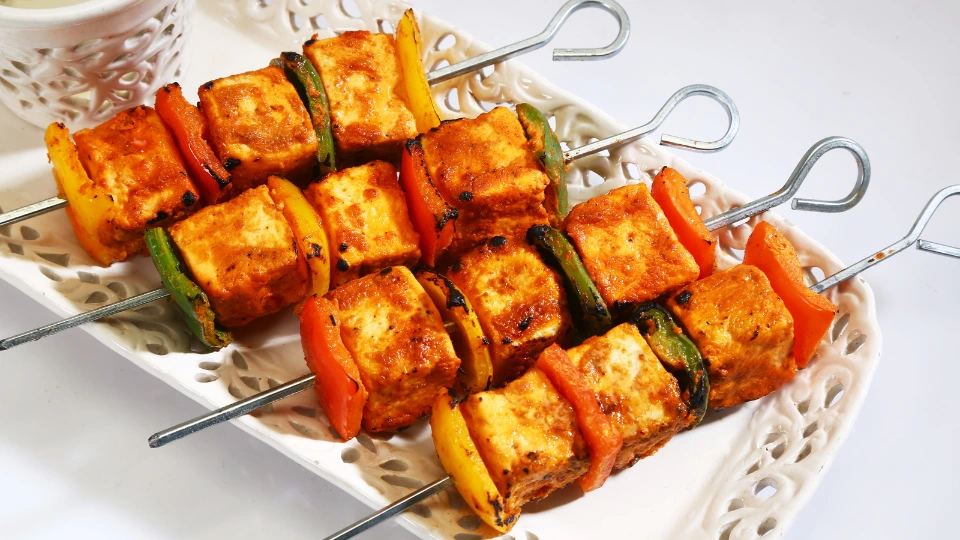
    Paneer tikka is one of the most beloved Indian appetizers, enjoyed for its smoky char, spiced marinade, and melt-in-your-mouth texture. Whether it’s sizzling fresh off the tandoor or served at a festive dinner, paneer tikka never fails to impress. But what truly elevates the experience is pairing it with the right sides and drinks. A thoughtful combination not only complements its bold flavors but also creates a balanced, memorable dining experience.

    If you’ve ever wondered what goes best with paneer tikka, you’re in the right place. In this blog, we’ll explore the best side dishes and beverages that bring out the richness and spice of this classic starter. From refreshing chutneys and breads to lassis and sparkling drinks, we’ll cover it all. And if you’re craving authentic flavors in Mississauga or Vaughan, you can always explore the menu at Maharaja Riyasat and enjoy paneer tikka with perfect pairings crafted by experts.


    Things to Know Before Choosing Pairings for Paneer Tikka

    Pairing paneer tikka with sides and drinks isn’t just about preference—it’s about balance. To make the most of your meal, it’s important to consider flavor contrasts, textures, and the overall dining experience.

    Balancing Smoky Flavors with Refreshing Sides

    Paneer tikka has a charred, smoky flavor that benefits from lighter, refreshing sides. Pairing it with mint chutney, cucumber salad, or lemon wedges adds freshness and contrast. These elements cleanse the palate and make each bite of paneer tikka feel vibrant and satisfying.

    On the other hand, pairing paneer tikka with buttery breads or rice can help mellow its spice. This creates a heartier combination, perfect for those who enjoy a full meal experience with their appetizer. By alternating between something refreshing and something filling, you create harmony in your dining experience.

    Traditional Indian Accompaniments You Can’t Miss

    In Indian dining, paneer tikka is often served with classics like mint chutney, pickled onions, or naan bread. These combinations have stood the test of time because they complement the flavors perfectly. Chutney adds zing, onions add crunch, and naan makes the dish more filling.

    At Maharaja Riyasat, these traditional pairings are presented with finesse, ensuring that every bite feels authentic. To learn more about timeless Punjabi dining customs, check out our blog on Punjabi food culture. By embracing these authentic pairings, you get to enjoy paneer tikka in the way it was meant to be relished.

    Refreshing Drinks to Enhance Spices

    Paneer tikka is mildly spiced, and pairing it with the right beverage enhances the flavors. Drinks like sweet lassi, masala chai, or even a light cocktail can complement its smokiness. Sparkling water with lemon is another great option to cleanse the palate and reset your taste buds between bites.

    For festive occasions, mango lassi is a favorite, offering a cooling contrast that balances the spices. To dive deeper into spice pairings, our blog on exploring Punjabi spices highlights the role drinks can play in completing the flavor profile. Drinks aren’t just accompaniments—they are integral to the dining journey.

    Texture Matters for a Complete Meal

    The creamy bite of paneer tikka benefits from sides that bring crunch or softness. Onion salad, papad, or naan provide that textural balance, making the dish more dynamic. Without these contrasts, paneer tikka can feel repetitive.

    Texture isn’t just about contrast—it’s about experience. A crispy papad alongside soft paneer adds dimension, while fluffy naan lets you enjoy paneer tikka as a fuller, more indulgent meal. Adding textural variety ensures your meal is not just tasty but exciting from the first bite to the last.

    Nutrition and Digestion-Friendly Pairings

    Since paneer tikka is rich in protein, it’s best paired with sides and drinks that aid digestion. Yogurt-based dishes like raita or probiotic drinks like buttermilk balance both taste and health. These pairings ensure that your dining experience is both delicious and comfortable.

    At Maharaja Riyasat, wholesome dining is at the core of the experience. Their carefully curated pairings ensure you enjoy paneer tikka not just for its flavor but also for its balance and satisfaction. A thoughtful mix of indulgence and nutrition makes the meal more enjoyable.


    Best Drinks and Sides to Pair with Paneer Tikka

    Mint Chutney and Onion Salad

    No paneer tikka experience is complete without mint chutney and onion salad. The chutney’s tangy freshness cuts through the smokiness, while the onions add crunch and zest. Together, they balance the dish and keep your palate refreshed.

    This combination is so iconic that it’s considered inseparable from tikka in Indian dining. At Maharaja Riyasat, the chutneys are freshly prepared, ensuring you get the most authentic experience. The onions are pickled to perfection, adding just the right bite to the smoky paneer.

    Butter Naan or Garlic Naan

    Soft, pillowy naan is a fantastic companion to paneer tikka. It transforms the appetizer into a meal, especially when served with dips or curries. Garlic naan, with its aromatic twist, enhances the smoky paneer tikka beautifully.

    Pairing tikka with naan is perfect for anyone who loves hearty combinations. For more insights into bread pairings, check out our blog on paratha vs. roti, which dives into classic Indian flatbreads. When combined with paneer tikka, naan gives you both comfort and indulgence in one bite.

    Jeera Rice or Vegetable Pulao

    For rice lovers, jeera rice and vegetable pulao are wonderful sides. Jeera rice offers subtle earthy flavors from cumin, while pulao adds color and variety with vegetables. Both options make paneer tikka feel more like a wholesome entrée.

    This combination is especially loved during family meals, providing balance, nutrition, and comfort. You can also explore rice-based delicacies in our blog about authentic biryani in Canada. When paneer tikka meets rice, it transforms into a meal that’s fit for celebrations as well as everyday dining.

    Mango Lassi: Sweet and Cooling

    Mango lassi is a natural companion to paneer tikka. Its creamy sweetness balances the spices and adds a tropical freshness to your meal. It’s perfect for hot summer days or festive dinners.

    Apart from taste, lassi also helps with digestion, making it a practical and delicious choice. To explore more about drinks that elevate Indian dining, don’t miss our blog on Indian food near you. This combination is so popular that many guests consider it a must-have alongside tikka.

    Masala Chai: A Spiced Comfort

    For tea lovers, masala chai pairs surprisingly well with paneer tikka. The warmth of spices like cardamom, ginger, and cloves enhances the smoky flavor of paneer, making it a cozy pairing.

    This combination is especially delightful during winter evenings or as part of a relaxed gathering. It’s a reminder that traditional drinks can elevate even the most modern dining experiences. A hot cup of chai paired with smoky tikka is a match made in heaven.

    Sparkling Water or Light Cocktails

    Sometimes, the best pairing is something light and simple. Sparkling water with a hint of lemon or a light cocktail balances the richness of paneer tikka without adding heaviness. These drinks keep the meal refreshing and versatile.

    For celebratory occasions, light cocktails can add elegance while still letting the paneer tikka shine as the star of the table. When you want your meal to feel festive without overshadowing the food, this is the way to go.

    Papad and Pickles for Crunch

    Adding papad to your paneer tikka spread brings a delightful crunch. Whether roasted or fried, papad is a versatile side that elevates the meal’s texture. Pickles, with their tangy and spicy flavors, enhance the boldness of paneer tikka.

    Together, papad and pickles create an extra layer of flavor and excitement. This is a side pairing that’s quick, easy, and deeply traditional—perfect for casual meals or festive spreads.

    Raita: A Cooling Companion

    Raita, made with yogurt, cucumber, and mild spices, is a classic side that balances the warmth of paneer tikka. Its cooling nature soothes the palate while enhancing the overall taste.

    There are many variations of raita, from boondi to mint, each adding its unique charm. With paneer tikka, raita becomes not just a side but an essential element for balance and comfort.


    Why Choose Maharaja Riyasat for Authentic Indian Dining?

    Maharaja Riyasat is more than just a restaurant—it’s a celebration of authentic Indian flavors. Their paneer tikka is marinated and grilled to perfection, ensuring that every bite captures the smoky, spiced essence of traditional tandoor cooking. Paired with freshly prepared sides and beverages, the experience feels both royal and comforting.

    What sets Maharaja Riyasat apart is their dedication to quality and authenticity. From appetizers to desserts, every dish is carefully crafted to honor Indian culinary traditions. Whether you’re dining in or making a reservation, you’re guaranteed a royal dining experience. With branches in Mississauga and Vaughan, the restaurant brings the grandeur of Indian dining closer to you.


    Conclusion

    Paneer tikka is a versatile dish that becomes extraordinary when paired with the right sides and drinks. From chutneys and naan to refreshing lassis and teas, each pairing enhances the smoky richness of paneer tikka, creating a complete and satisfying meal. Adding papad, pickles, or raita ensures you have the variety and balance needed for a memorable experience.

    By focusing on balance, tradition, and creativity, you can enjoy paneer tikka in endless delicious ways. And if you’re looking for the ultimate paneer tikka experience, Maharaja Riyasat is the place to be. Their curated menu ensures that you enjoy authentic pairings that feel both indulgent and wholesome.


    Summary

    Paneer tikka is a classic Indian appetizer that shines brightest when paired with the right accompaniments. Mint chutney and onion salad add freshness, naan and rice provide heartiness, while drinks like mango lassi and masala chai balance the spices beautifully. Even simple sparkling water works wonders in enhancing the dish. With additions like raita, papad, and pickles, the combinations are endless.

    At Maharaja Riyasat, paneer tikka is crafted with authenticity and served with sides that complete the experience. To explore similar flavor journeys, check out our blogs on paneer butter masala vs. shahi paneer and why we serve the best Punjabi dishes in Vaughan. Choosing Maharaja Riyasat means choosing balance, flavor, and tradition in every bite.

  • Best Side Dishes to Pair with Paneer Butter Masala

    Best Side Dishes to Pair with Paneer Butter Masala

    Introduction

    Paneer butter masala is one of those dishes that instantly makes any dining experience feel special. Its rich, creamy tomato-based gravy paired with the soft texture of paneer cubes creates a mouthwatering treat that appeals to both vegetarians and non-vegetarians alike. Whether you’re preparing it at home or enjoying it at your favorite Indian restaurant, the true magic of this dish comes alive when it’s complemented by the right side dishes. The perfect pairings not only balance its richness but also elevate the entire meal into a wholesome dining experience.

    If you’re someone who loves paneer butter masala but often wonders what to pair it with, this blog is for you. We’ll explore a variety of sides ranging from breads like naan and roti to rice dishes and refreshing accompaniments. By the end of this guide, you’ll have a full list of ideas to make your next meal with paneer butter masala unforgettable. And if you’re in Mississauga or Vaughan, you can always enjoy the real deal by making a reservation at Maharaja Riyasat, where traditional recipes meet royal dining.


    Things to Know Before Choosing Side Dishes for Paneer Butter Masala

    Pairing side dishes with a rich curry like paneer butter masala requires more thought than simply picking what’s available. Each side plays a role in balancing flavors, adding texture, and complementing the dish’s profile. Before we dive into specific pairings, let’s cover some essential aspects to keep in mind.

    Balancing Richness with Light Accompaniments

    Paneer butter masala is indulgent and creamy, which means pairing it with heavy, equally rich sides can overwhelm the palate. Light breads or simple rice dishes can provide the perfect balance. For example, a tandoori roti brings a rustic charm that tones down the richness, while jeera rice adds subtle spice without overshadowing the curry. This balance ensures you can enjoy every bite without feeling weighed down.

    Another excellent way to lighten the richness is through crisp sides like papad or a refreshing cucumber salad. These bring crunch and freshness that contrast beautifully with the silky gravy. When dining out at Indian restaurants, balance is always key, and that’s why many menus feature both hearty and lighter sides alongside paneer butter masala.

    Traditional Indian Pairings You Can’t Miss

    In Indian cuisine, certain combinations have stood the test of time, and for good reason. Naan with paneer butter masala, for example, is one of the most iconic pairings, offering the perfect vessel to scoop up the flavorful curry. Similarly, steamed basmati rice remains a traditional go-to, allowing the sauce to shine while giving each spoonful a delicate aroma.

    These timeless pairings not only preserve tradition but also ensure that your meal stays authentic. At Maharaja Riyasat, you’ll find a carefully curated menu where paneer butter masala is complemented by breads and rice just like in India’s royal kitchens.

    Regional Variations and Choices

    India’s diverse culinary landscape influences the way paneer butter masala is paired across regions. In Punjab, it’s often served with thick, buttery naans or lachha parathas, while in southern states, it may be accompanied by ghee rice or idiyappam. Each region adds its own touch, showcasing how versatile the dish can be.

    Exploring these regional pairings allows you to experience paneer butter masala in different ways. If you enjoy discovering food cultures, you might also like our blog on Punjabi food culture, where we dive deeper into the flavors that define North India.

    Considering Texture for a Complete Meal

    Texture plays a crucial role in building a satisfying meal. Paneer butter masala has a creamy, velvety consistency, so pairing it with crispy, crunchy, or chewy sides enhances the dining experience. Fluffy naan, crispy papad, and soft pulao all bring different textures that keep the meal interesting.

    Without textural variety, even the most flavorful dishes can feel monotonous. That’s why a thoughtfully chosen side dish not only enhances flavor but also adds depth and enjoyment to every bite.

    Nutritional Balance and Satisfaction

    While paneer butter masala is hearty and satisfying, balancing it with healthy accompaniments ensures a complete meal. Sides like vegetable pulao, green salads, or raita not only add nutrition but also improve digestion. Yogurt-based sides, in particular, cool the palate and help balance the richness of the curry.

    At Maharaja Riyasat, authentic dining is about more than just taste—it’s about wholesome satisfaction. Choosing sides that balance both taste and nutrition makes your meal both delicious and fulfilling.


    Best Side Dishes to Pair with Paneer Butter Masala

    Naan Bread: The Classic Choice

    Soft, pillowy naan bread is arguably the most popular side for paneer butter masala. Its slight chewiness and smoky flavor from the tandoor make it the perfect companion. You can tear off a piece, scoop up the creamy curry, and enjoy the best of both worlds in every bite.

    Garlic naan, butter naan, or even stuffed naans like cheese or potato variants add layers of flavor. At restaurants like Maharaja Riyasat, freshly baked naan enhances the royal dining experience, making it a must-have alongside paneer butter masala.

    Jeera Rice: A Subtle, Aromatic Pairing

    Jeera rice, with its gentle infusion of cumin seeds, complements paneer butter masala without competing with its rich flavors. The fluffy basmati grains provide the perfect base to soak up the sauce, creating a well-rounded dish.

    This pairing is particularly great for those who prefer rice over bread. The aroma of cumin adds a touch of earthiness, making every bite comforting and satisfying. To explore more rice-based combinations, check out our blog on authentic biryani in Canada.

    Tandoori Roti: Rustic and Wholesome

    Tandoori roti offers a rustic charm that’s different from naan. Its slightly crisp texture and earthy flavor pair wonderfully with paneer butter masala. Unlike naan, which is rich with butter, roti keeps things light, making it a healthier alternative without compromising taste.

    This side is ideal if you want a wholesome balance. Pairing roti with paneer butter masala also mirrors traditional Indian dining habits, where hearty gravies are often enjoyed with simple, unleavened breads.

    Vegetable Pulao: Colorful and Nutritious

    For those who love variety, vegetable pulao is an excellent side. Loaded with colorful vegetables and mild spices, it adds both nutrition and vibrancy to your meal. The subtle flavors of pulao enhance paneer butter masala without overpowering it.

    This pairing works particularly well for family meals, offering a balanced mix of protein, carbs, and fiber. It’s also a great way to introduce kids to Indian cuisine, making their plates both exciting and healthy.

    Onion Salad and Lemon Wedges: Refreshing Contrast

    Sometimes, the simplest sides make the biggest difference. A fresh onion salad with lemon wedges brings a burst of freshness that cuts through the richness of paneer butter masala. The crunch of onions and the tang of lemon refresh the palate, making every bite of curry feel lighter.

    This refreshing contrast also enhances the overall dining experience. It’s the kind of side you’ll find at authentic Indian eateries, where meals are often accompanied by small but impactful sides like salads and pickles.

    Papad: The Crispy Delight

    Papad, with its thin and crunchy texture, makes an excellent contrast to creamy paneer butter masala. Roasted or fried, papad adds a savory crunch that keeps the meal dynamic. It’s a side that requires little preparation but makes a big impact.

    Pairing papad with paneer butter masala also reflects traditional Indian dining habits, where meals are meant to include a variety of textures. For more insights into Indian dining customs, you might enjoy our blog on authentic Punjabi dining.

    Lassi or Raita: Cooling Complements

    A chilled glass of lassi or a bowl of raita can be just what you need to round off your meal. Both are yogurt-based, making them excellent for balancing the spices and richness of paneer butter masala. Lassi adds sweetness or tang, while raita offers a savory, cooling effect.

    These sides not only refresh the palate but also aid digestion, ensuring that your meal is both delicious and comfortable. If you’re exploring Indian drinks and cooling options, you might also find inspiration in our blog on exploring Punjabi spices.


    Why Choose Maharaja Riyasat for Authentic Indian Dining?

    When it comes to enjoying paneer butter masala with the perfect sides, Maharaja Riyasat ensures authenticity at every step. From freshly baked breads to fragrant rice and refreshing accompaniments, every dish is prepared with a commitment to quality and tradition. The restaurant’s chefs specialize in North Indian cuisine, ensuring that your dining experience feels royal and memorable.

    What sets Maharaja Riyasat apart is its attention to detail and variety. Whether you’re dining in Mississauga or Vaughan, you’ll find a menu crafted to cater to diverse tastes, making it the go-to place for anyone craving authentic Indian flavors. With options for dine-in, delivery, and catering, it’s your one-stop destination for the ultimate Indian feast.


    Conclusion

    Paneer butter masala is a dish that deserves sides worthy of its richness. From the classic naan and jeera rice to refreshing salads and cooling raita, the right pairings elevate it into a complete meal. By understanding balance, tradition, and texture, you can choose sides that make every bite more enjoyable.

    Whether you’re dining at home or visiting Maharaja Riyasat, exploring these combinations ensures a dining experience full of flavor and satisfaction. And with so many options available, you’ll never run out of ways to enjoy this beloved dish.


    Summary

    Paneer butter masala is a timeless favorite in Indian cuisine, but its true potential shines when paired with the right sides. Classics like naan, roti, and jeera rice remain unbeatable, while options like pulao, papad, onion salad, and lassi add variety and freshness. These pairings ensure balance, texture, and nutrition in every meal.

    At Maharaja Riyasat, you’ll find these authentic combinations crafted with expertise, offering a royal dining experience. If you want to dive deeper into Indian food culture, don’t miss our blogs on paneer butter masala vs. shahi paneer and why we serve the best Punjabi dishes in Vaughan. Choosing Maharaja Riyasat means choosing tradition, flavor, and quality—making your next meal unforgettable.

  • Mango Lassi: A Royal Treat at Maharaja Riyasat

    Mango Lassi: A Royal Treat at Maharaja Riyasat

    Introduction

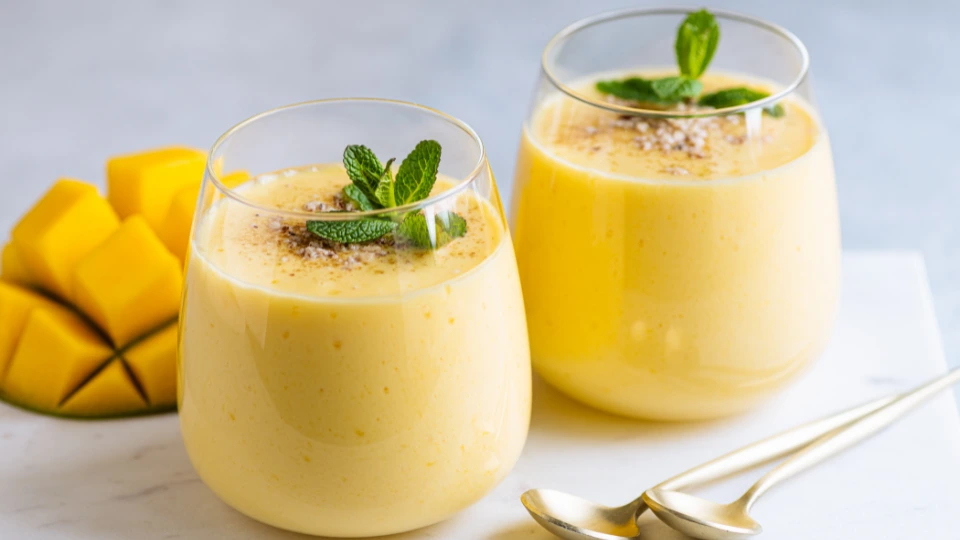
    Few drinks match the refreshing and indulgent charm of a perfectly made lassi. With its creamy texture, vibrant flavor, and cooling effect, lassi delights people across generations and cultures. Among its many variations, mango lassi stands tall as a symbol of both comfort and celebration. Whether you enjoy it after a meal, on a hot summer afternoon, or as a sweet treat with friends, mango lassi bridges tradition and taste like no other beverage. At Maharaja Riyasat, the royal drink receives the care and attention it deserves, making it a signature experience for anyone who loves authentic Indian cuisine and authentic Indian dining at Maharaja Riyasat.

    This blog explores everything you need to know about mango lassi—its history, ingredients, cultural significance, and role in Indian dining traditions. We will uncover what makes this iconic drink special, explore its variations, and highlight why Maharaja Riyasat has mastered the art of presenting lassi in a truly regal way. By the end, you’ll not only appreciate this beverage more deeply but also feel inspired to visit Maharaja Riyasat to savor the authentic experience firsthand.


    Things to Know Before Enjoying Mango Lassi

    Before diving into the details of mango lassi, you should understand its roots, variations, and cultural significance. Each element shows why lassi is more than just a drink—it tells a story through flavor and tradition.

    The Origins of Lassi in Indian Cuisine

    Lassi ranks among the oldest drinks in Indian culinary history, with origins tracing back more than a thousand years in Punjab. Traditionally, people made it with yogurt, water, and spices or fruit. They enjoyed it as both a refreshing beverage and a digestive aid. Over time, the drink traveled across regions and evolved into sweet, salted, and fruity varieties. To understand its role in Punjabi culture, explore our blog on Punjabi food culture.

    Mango lassi rose in popularity during mango harvest seasons, when families blended ripe mangoes with yogurt to create a luxurious seasonal drink. Today, it shines as the most famous variant, enjoyed globally as a symbol of Indian hospitality and culinary creativity.


    Why Mango Is the Perfect Fruit for Lassi

    Mango, often called the “king of fruits,” offers rich sweetness and a natural aroma, making it the ideal partner for yogurt in lassi. Its pulpy texture blends seamlessly, producing a smooth, creamy consistency. The golden hue of mango lassi adds visual appeal, instantly making it look as indulgent as it tastes. For more about the flavor foundations of Punjabi cuisine, check our blog on exploring the rich spices of Punjabi food.

    Mangoes also hold deep cultural symbolism in India, often representing prosperity, celebration, and joy. Paired with yogurt, mangoes create a drink that balances nutrition, flavor, and heritage—qualities that resonate with traditionalists and modern food lovers alike.


    Nutritional Benefits of Lassi

    Beyond irresistible flavor, lassi delivers multiple health benefits. Yogurt, the primary ingredient, provides probiotics that support digestion and gut health. Mangoes add vitamins A and C, making the drink nutrient-rich while satisfying both taste and wellness. For a deeper dive into nutritious North Indian cuisine, read our feature on Paneer Butter Masala: A North Indian Delight.

    Mango lassi also works as a natural coolant, perfect for hot climates. Its balance of carbohydrates, proteins, and essential nutrients makes it both refreshing and energizing—whether you sip it as a snack, dessert, or complement to a hearty meal.


    Sweet vs. Salted Lassi: A Flavorful Debate

    While mango lassi captures international attention, lassi exists in many variations. The traditional salted lassi uses spices like cumin and black salt to offer a savory twist. Sweet lassis, on the other hand, often include sugar, fruits, or rosewater. The choice between sweet and salted lassi depends on personal preference and occasion. To explore similar cultural food contrasts, visit our blog comparing Paratha vs. Roti: Key Differences.

    Mango lassi, with its sweet and fruity profile, stands firmly in the sweet category but shines for its exotic and celebratory feel. Maharaja Riyasat embraces this tradition by preparing mango lassi with authentic methods that highlight its rich sweetness without overpowering yogurt’s natural tang.


    Cultural Significance of Mango Lassi

    In Indian culture, lassi symbolizes hospitality. Families often serve it to guests as a gesture of warmth and generosity. Mango lassi frequently appears during festive occasions, weddings, and summer celebrations, representing joy and abundance. To discover more culinary experiences that highlight Indian traditions, check our blog on Indian food in Maharaja Riyasat that you can’t miss.

    Today, mango lassi also acts as an ambassador of Indian cuisine worldwide. For many people outside India, this drink provides their first introduction to Indian beverages, making it both a cultural bridge and a culinary delight.


    Exploring the Royal Mango Lassi Experience

    Authentic Ingredients at Maharaja Riyasat

    At Maharaja Riyasat, quality defines every creation. Chefs craft mango lassi with ripe, handpicked mangoes, fresh yogurt, and natural sweeteners to ensure a perfect balance of flavors. They avoid artificial syrups or shortcuts, so every sip tastes authentic and wholesome. This commitment to purity reflects the restaurant’s dedication to honoring Indian tradition.

    The restaurant also focuses on dairy quality. Maharaja Riyasat sources high-grade yogurt to achieve the creamy texture essential to premium lassi. When blended with rich mango pulp, the drink transforms into a luxurious treat worthy of royalty.


    Traditional Preparation Methods

    Authenticity guides the preparation of mango lassi at Maharaja Riyasat. Chefs blend the drink to preserve the natural flavors and textures of the ingredients. They churn the yogurt for smoothness and puree mangoes to retain their natural sweetness. Instead of masking the flavor with sugar, they maintain a delicate balance between fruit and dairy.

    These methods not only highlight tradition but also safeguard the nutritional qualities of the drink. Each serving honors the culinary practices passed down through generations, carefully maintained in the restaurant’s kitchen.


    Pairing Mango Lassi with Indian Cuisine

    Mango lassi pairs beautifully with a variety of Indian dishes. Its cooling effect complements spicy meals, balancing heat with creamy sweetness. Guests often enjoy it alongside curries, biryanis, or kebabs, as the drink enhances both savory and rich flavors.

    Dessert lovers can also indulge in mango lassi as a light finish after a meal. At Maharaja Riyasat, staff recommend pairing it with signature dishes such as butter chicken or paneer specialties, creating a dining experience that feels complete. To explore your options, view our drinks and dessert menu.


    Seasonal Varieties of Lassi

    While mango lassi reigns supreme, Maharaja Riyasat also celebrates other lassi varieties throughout the year. Spring brings rose lassi, while summer highlights salted versions to keep guests refreshed. The restaurant continually offers seasonal options, keeping the menu dynamic and exciting.

    By providing multiple variations, Maharaja Riyasat caters to diverse tastes. Still, mango lassi remains the crown jewel, especially during mango season, when its flavor achieves peak freshness and vibrancy.


    Why Maharaja Riyasat Stands Out

    Maharaja Riyasat goes beyond serving food—it delivers a royal dining experience. The ambiance, hospitality, and culinary expertise combine to create a journey unlike any other. Mango lassi, though simple in composition, reflects this philosophy through careful preparation and presentation.

    Every visit allows guests to indulge in traditional flavors while enjoying an atmosphere of royalty. This blend of authenticity and luxury makes Maharaja Riyasat one of Canada’s most celebrated Indian dining destinations.


    Why Choose Maharaja Riyasat for Your Lassi Experience?

    Choosing Maharaja Riyasat means embracing authenticity, quality, and a royal dining journey. The restaurant proudly serves dishes and beverages that honor Indian traditions while elevating them with fine-dining presentation. At Maharaja Riyasat, mango lassi becomes more than just a drink—it expresses culture, heritage, and craftsmanship.

    Whether you plan a family dinner, celebrate a special occasion, or simply crave a refreshing drink, Maharaja Riyasat offers the perfect setting. Book your table today and enjoy mango lassi in the most regal way possible.


    Conclusion

    Mango lassi represents more than just a beverage—it embodies India’s culinary soul. With its origins in Punjab, its perfect pairing of mangoes and yogurt, and its cultural symbolism, mango lassi continues to charm people worldwide. Its nutritional benefits, refreshing taste, and festive associations make it a drink that transcends borders.

    At Maharaja Riyasat, chefs elevate this beloved drink to a royal standard. From handpicked ingredients to traditional preparation methods, every detail creates an authentic experience. Paired with the restaurant’s dedication to hospitality and fine dining, mango lassi becomes a symbol of regal indulgence. If you wish to savor authentic flavors, celebrate cultural traditions, and enjoy the finest Indian cuisine, visit Maharaja Riyasat. Step into a world of richness, and let mango lassi remind you why dining here always feels like a royal treat.

  • Stuffed Paratha: A Flavorful Indian Classic

    Stuffed Paratha: A Flavorful Indian Classic

    Introduction

    Few dishes capture the heart of Indian cuisine like the stuffed paratha. People enjoy it on a lazy Sunday morning with a cup of chai or pack it into a lunchbox for a comforting midday meal. Stuffed parathas have a timeless appeal that transcends generations. Their crispy, golden exterior and soft, flavorful filling make them irresistible to food lovers. The aroma of freshly cooked parathas, often wafting from family kitchens, evokes feelings of warmth, togetherness, and nostalgia. For many, a stuffed paratha is more than just food—it connects them to culture, tradition, and cherished family memories.

    This blog takes you on a flavorful journey into the world of stuffed parathas. We will explore their origins, preparation techniques, and diverse varieties. From the classic aloo paratha to innovative modern takes, you’ll uncover what makes each one special. We will also look at the perfect side dishes that elevate parathas to a wholesome meal. Finally, you’ll learn why Maharaja Riyasat is the ultimate destination to experience authentic stuffed parathas in Canada. Ready to indulge in this delicious classic? Visit Maharaja Riyasat today to savor the true taste of India.


    Things to Know About Stuffed Parathas Before Indulging

    Stuffed parathas are not just flatbreads filled with ingredients—they represent a culinary tradition rich with history, technique, and cultural significance. Before diving into the many varieties, it’s helpful to understand their roots, the essential ingredients that go into them, and why they hold a special place in Indian households. This section highlights what makes stuffed parathas such an enduring favorite.

    Origins of Stuffed Parathas

    Stuffed parathas have a long history in Indian cuisine, with origins tracing back centuries. North Indian households traditionally prepared them as a wholesome breakfast or dinner option. The Punjab region, in particular, made parathas an essential part of daily meals. Over time, different regions of India created their own versions, each with unique twists that reflected local tastes and ingredients. This regional diversity keeps parathas versatile and loved across the country.

    For more on Punjabi dining traditions, explore our blog on Punjabi food culture. Initially enjoyed in home kitchens, stuffed parathas eventually entered street food culture, dhabas, and restaurants. They became a symbol of hearty, satisfying food that offered affordability and comfort. Today, they enjoy global popularity, making them a staple in Indian restaurants worldwide. From traditional recipes to fusion versions, parathas continue to evolve while staying rooted in cultural authenticity.

    Common Ingredients in Stuffed Parathas

    Every stuffed paratha starts with dough and filling. Whole wheat flour, water, salt, and sometimes a touch of oil or ghee form the dough. This base supports the flavorful fillings inside. The stuffing varies widely, ranging from mashed potatoes and paneer to cauliflower, radish, or spiced minced meat. A blend of spices such as cumin, coriander, chili powder, and garam masala enhances the flavor and creates the signature taste.

    In addition to the main ingredients, garnishes and accompaniments play an important role. A generous dollop of butter, yogurt, or a side of tangy pickle completes the paratha experience. For an in-depth look at how spices transform Indian dishes, check out our guide on exploring the rich spices of Punjabi food. The balance between soft dough, spicy filling, and rich accompaniments makes stuffed parathas both fulfilling and comforting.

    Cooking Techniques for Perfect Parathas

    Cooking parathas requires skill and balance. Traditionally, chefs prepare them on a tawa (flat griddle) with just the right amount of heat and fat. Too little oil or ghee creates dry parathas, while too much makes them greasy. The goal is a golden-brown, crisp exterior with a soft, evenly cooked interior. Achieving this balance requires practice, which explains why homemade parathas often taste so special.

    Rolling out the dough correctly also matters. It must be thick enough to hold the filling without tearing, yet thin enough to cook properly. Some fillings, like paneer or cheese, melt slightly during cooking, adding an extra layer of texture and richness. Skilled cooks rely on touch and intuition to know when the paratha reaches perfection. If you’re curious about differences between Indian breads, don’t miss our blog on paratha vs roti.

    Health Aspects of Stuffed Parathas

    Stuffed parathas often seem indulgent, but they can be part of a balanced diet when prepared thoughtfully. Whole wheat flour provides dietary fiber, while fillings like potatoes, paneer, and vegetables add a variety of nutrients. For a healthier version, use less ghee or oil during cooking and pair parathas with yogurt or salad instead of butter and pickles.

    Customizing fillings allows parathas to fit many diets. High-protein fillings such as lentils or paneer appeal to vegetarians, while chicken or keema satisfy meat lovers. The versatility of parathas makes them ideal for health-conscious eaters without compromising flavor. To explore another healthy yet flavorful dish, see our article on paneer butter masala.

    Cultural Importance of Parathas in Indian Meals

    In Indian culture, parathas symbolize hospitality and family togetherness. A freshly prepared paratha served with love often becomes the centerpiece of breakfast or dinner in many households. Families gather around the table to share stories, laughter, and meals, with parathas bringing everyone together. They also feature prominently during festivals, weddings, and special occasions, making them integral to cultural celebrations.

    Their symbolic role extends beyond homes. Punjabi dhabas serving parathas with lassi represent the quintessential Indian food experience. In modern times, parathas have found a place in cafes and restaurants, blending tradition with contemporary dining. Their ability to adapt while retaining their essence ensures they remain a timeless favorite. For more inspiration on iconic Punjabi meals, check out our feature on authentic Punjabi dishes.


    Popular Types of Stuffed Parathas You Must Try

    The beauty of stuffed parathas lies in their diversity. Each type brings its own flavor and texture, offering something for everyone. From traditional recipes passed down through generations to modern innovations, the options feel endless. Here are some of the most popular stuffed parathas you should definitely try.

    Aloo Paratha

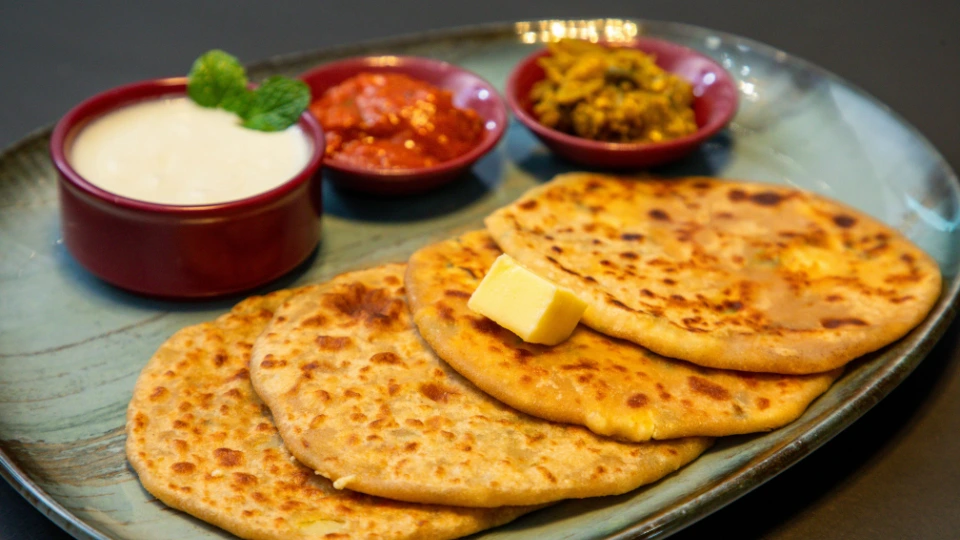
    Aloo paratha is arguably the most iconic of all stuffed parathas. Mashed potatoes seasoned with cumin, coriander, chili, and garam masala form the filling, delivering comfort and flavor. People often serve it with butter, yogurt, or pickle, making it a breakfast staple in North Indian households.

    Its popularity stems from simplicity and universal appeal. The hearty potato filling is easy to prepare, making aloo paratha a quick and fulfilling option. It’s also versatile enough to pair with accompaniments such as spicy curries or cooling raita. To see how such classics compare with modern favorites, read our blog on chicken tikka masala vs butter chicken.

    Gobi Paratha

    Gobi paratha features finely grated cauliflower mixed with spices. Cooks sauté or season the cauliflower before stuffing it to retain flavor without sogginess. This paratha has a slightly nutty taste, enhanced by green chilies, ginger, and fresh coriander.

    For those who prefer a lighter yet flavorful option, gobi paratha works perfectly. It’s rich in fiber and vitamins, offering a nutritious meal that doesn’t compromise on taste. Served with curd or pickle, gobi paratha becomes a wholesome dish suitable for any time of the day.

    Paneer Paratha

    Paneer paratha delights cheese lovers. Grated paneer mixed with herbs and mild masalas creates a filling that is rich yet delicate. Paneer adds a soft, creamy texture that makes the paratha indulgent and satisfying.

    Since paneer provides protein, paneer parathas are especially popular among vegetarians. They are hearty enough to stand alone as a complete meal. Chutneys or raita make perfect accompaniments. Paneer parathas remain a delicious way to combine taste with nutrition.

    Mooli Paratha

    Mooli paratha, made with grated radish, offers a distinct flavor that’s slightly sharp and peppery. Spices mix with the radish, and cooks often squeeze out excess moisture to prevent sogginess. This step ensures even cooking and balanced texture.

    Although mooli paratha may be an acquired taste for some, it delivers freshness and nutrition. People often enjoy it with butter or curd, which balance the strong flavors of the radish. For those looking to try something different, mooli paratha deserves attention.

    Mixed Vegetable Paratha

    Mixed vegetable paratha combines the goodness of carrots, peas, beans, and potatoes, all seasoned with aromatic spices. This blend makes it colorful, flavorful, and packed with nutrients. The mix of textures turns every bite into a delightful surprise.

    Families particularly love this paratha because it provides a wholesome meal and sneaks vegetables into children’s diets. Served with yogurt or pickle, mixed vegetable paratha becomes a versatile dish that appeals to all age groups.

    Keema Paratha

    Keema paratha satisfies meat lovers. Spiced minced meat—usually lamb or chicken—fills the paratha. Onions, garlic, ginger, and spices cook with the meat beforehand to create a rich, savory filling.

    This paratha often appears as a hearty dinner option, paired with raita or chutney. Its bold flavor and protein content make it both satisfying and nourishing. Keema paratha perfectly fuses traditional paratha-making with non-vegetarian richness.

    Cheese & Fusion Parathas

    Modern creativity has produced fusion parathas filled with cheese, spinach, mushrooms, or even pizza-inspired toppings. These variations appeal to younger generations and global palates, combining Indian techniques with international flavors.

    Cheese parathas melt in the mouth with gooey, indulgent fillings. Fusion versions introduce playful twists. They showcase the adaptability of parathas, evolving with changing food trends while retaining their essence.


    Perfect Accompaniments for Stuffed Parathas

    The experience of eating parathas feels incomplete without the right accompaniments. These side dishes enhance flavor and bring balance to the meal. From cooling curd to tangy pickles, the right pairing can transform a simple paratha into a feast.

    Curd & Raita Combinations

    Curd, plain or spiced, often accompanies parathas. Its cool, creamy texture complements the warmth and spice of the stuffed bread. Variations such as boondi raita, cucumber raita, or mint raita add refreshing flavors that balance richness.

    Raita also adds variety and nutrition. With endless options—from beetroot to pineapple raita—these yogurt-based sides enhance taste and digestibility. They remain an essential part of the paratha experience.

    Pickles & Chutneys

    Pickles and chutneys bring bursts of tangy, spicy, or sweet flavors. Classic Indian pickles like mango, lime, or chili add zest. Chutneys made from mint, tamarind, or coriander provide freshness and variety.

    These condiments reflect deep roots in Indian culinary tradition. Many are homemade, carrying unique family recipes. Their vibrant flavors pair beautifully with the earthy taste of parathas, ensuring a dynamic dining experience.

    Traditional Beverages (Lassi, Chai)

    A glass of lassi or a cup of chai often completes a paratha meal. Sweet or salted lassi, made from churned yogurt, refreshes the palate. This pairing is traditional in Punjab and continues to delight diners.

    On the other hand, masala chai adds warmth and spiced depth. It works well for breakfast or evening snacks with parathas. Together, these beverages create a holistic dining experience rooted in Indian tradition.


    Why Choose Maharaja Riyasat for Authentic Stuffed Parathas

    At Maharaja Riyasat, we bring authentic Indian flavors to Canada. Our stuffed parathas showcase this commitment. Each one is crafted with traditional techniques, premium ingredients, and time-honored recipes passed down through generations. Whether you crave classic aloo paratha or want to try fusion flavors, our menu offers something for everyone.

    Our chefs cook every paratha to perfection, balancing crispness and flavor in each bite. Freshly prepared accompaniments make the experience complete, capturing the spirit of Indian hospitality. At Maharaja Riyasat, dining is more than food—it is a celebration of culture, tradition, and authenticity.

    Explore our menu and book a reservation to enjoy authentic stuffed parathas. With a warm ambiance, exceptional service, and a wide range of dishes, Maharaja Riyasat remains your ultimate destination for Indian classics.


    Conclusion

    Stuffed parathas are more than just a dish—they symbolize comfort, tradition, and culinary artistry. From their humble beginnings in North India to their modern-day global appeal, parathas continue to delight food lovers. Their variety, customizable fillings, and cultural significance ensure their place in Indian dining.

    At Maharaja Riyasat, we bring this legacy to life by offering authentic, flavorful parathas that transport you to the heart of India with every bite. Whether you love classic aloo paratha or prefer adventurous fusion versions, our menu has something for you. Visit us to enjoy freshly made parathas, paired with traditional accompaniments and served with care. For more Indian food experiences, explore our blog on authentic biryani in Canada. Taste the tradition, embrace the flavor, and celebrate the timeless charm of stuffed parathas with Maharaja Riyasat.


  • History and Origins of Chicken Tikka Masala

    History and Origins of Chicken Tikka Masala

    Introduction

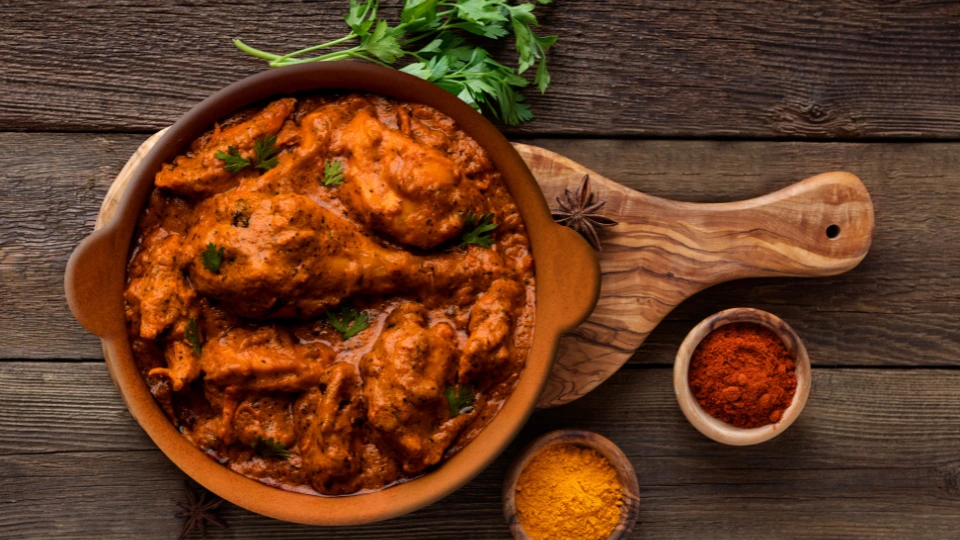
    Chicken tikka masala is one of those dishes that transcends borders, cultures, and dining tables across the globe. It is a meal that almost everyone recognizes, whether they have tasted it in a bustling Indian restaurant, enjoyed it at home with family, or encountered it on the menus of global eateries. The rich, creamy tomato-based sauce, paired with succulent pieces of spiced chicken, makes it a universally loved dish. The story behind this iconic curry is as fascinating as its flavor, and for many food enthusiasts, discovering its history is as satisfying as savoring the meal itself.

    In this blog, we will take a deep dive into the history and origins of this famous Indian-inspired dish, exploring how it came into existence and how it traveled across continents to become a household favorite. From its early roots in Mughal cuisine to its celebrated rise in British culture, and finally to its standing as a symbol of fusion food, its journey is one worth understanding. By the end of this article, you’ll not only know its story but also discover why Maharaja Riyasat is the perfect place to experience the most authentic flavors of this beloved meal.


    Things to Know Before Exploring the Story of Tikka Masala

    Before we dive into the story of tikka masala, it’s important to understand some key elements that shaped its creation and influence. The dish didn’t appear overnight; rather, it evolved through centuries of cultural exchanges, culinary innovations, and migrations that blended flavors from the East and the West.

    The Global Popularity of Indian Curry Dishes

    This flavorful curry is now served across the world, from five-star Indian restaurants to local curry houses. Its global popularity is a testament to how food can travel beyond geographical boundaries and become a cultural connector. Secondary keywords like “Indian curry” and “fusion cuisine” help illustrate how it represents both tradition and modern adaptation in global dining culture. For a deeper dive into Indian dishes that have gone global, check out our blog on Paneer Butter Masala vs Shahi Paneer.

    Part of this popularity stems from its adaptability. Whether enjoyed with rice, naan, or even as a filling for wraps, tikka masala caters to diverse palates. This versatility is why so many cuisines outside India have embraced it wholeheartedly, making it more than just an Indian dish—it has become a global culinary ambassador.

    The Role of Indian Cuisine in Global Food Culture

    Indian cuisine is celebrated for its rich use of spices, layered flavors, and vibrant colors, and this creamy tomato-based dish embodies all of these qualities. In the context of world food culture, it showcases how Indian dishes influence and inspire chefs and food lovers worldwide. The spread of meals like biryani, butter chicken, and tikka masala has allowed Indian cuisine to secure a permanent spot on the international culinary map. You can learn more about this influence in our blog on Punjabi Food Culture.

    Moreover, tikka masala reflects how Indian cuisine thrives on adaptation. While deeply rooted in traditional Indian cooking, it also embraces external influences. This ability to evolve while retaining authenticity makes it a true representative of Indian culinary heritage on the global stage.

    The Confusion Around Its True Origins

    One of the most intriguing aspects of tikka masala is the debate surrounding its origins. Some argue it was born in India as a natural progression of Mughal cooking, while others insist it was first crafted in the kitchens of Glasgow, Scotland. The lack of a definitive answer adds to the mystique of the dish and keeps food historians fascinated.

    This confusion is also symbolic of the dish itself—it represents a cultural blend, where no single culture can claim complete ownership. Instead, tikka masala stands as a joint creation, shaped by both Indian tradition and British innovation, embodying the spirit of fusion cuisine. Our blog on Chicken Tikka Masala vs Butter Chicken explores another layer of this culinary debate.

    Colonial and Post-Colonial Culinary Influences

    The colonial era significantly shaped the way Indian food was perceived and adapted in the West. British colonizers developed a taste for Indian spices and curries, leading to the creation of dishes that balanced Indian authenticity with Western preferences. Tikka masala is often seen as a direct result of this cross-cultural exchange.

    In the post-colonial era, waves of Indian immigrants brought their food traditions to the UK and other parts of the world. This migration allowed Indian cuisine to flourish globally, with this creamy curry emerging as a standout dish that symbolized cultural integration through food. If you want to explore how biryani also tells a similar story of migration and adaptation, read our blog on Authentic Biryani in Canada.

    How Fusion Foods Shape Modern Culinary Identity

    Tikka masala is one of the earliest examples of what we now call fusion food. By blending Indian spices and techniques with Western adaptations, it reflects how culinary identities are constantly evolving. Fusion dishes like this one allow cultures to connect while respecting each other’s traditions.

    In today’s globalized food scene, fusion foods are no longer outliers—they’re celebrated as creative expressions of cultural harmony. This curry remains at the forefront of this trend, proving that dishes born of cross-cultural experimentation can become timeless classics. Our guide to Indian Dining in Vaughan further explores how fusion continues to shape menus worldwide.


    The Historical Roots of Tikka Masala

    To understand tikka masala fully, we need to trace its roots back to the rich history of Indian cooking. Its foundations lie in dishes that were created long before the term itself was coined.

    The Origins of “Tikka” in Mughal Cuisine

    The word “tikka” refers to small pieces of meat marinated in spices and grilled, and its roots lie in Mughal cuisine. During the Mughal era, kebabs and grilled meats became popular in royal kitchens, influenced by Persian and Central Asian culinary traditions. Chicken tikka was one of many variations that came out of this period.

    What made tikka unique was its balance of smoky flavor from the tandoor and its intricate spice marinades. These qualities would later become the foundation for modern curry favorites when paired with creamy sauces.

    The Evolution of Curry Sauces in Indian Cooking

    Curry sauces have been an integral part of Indian cooking for centuries, evolving from simple spiced gravies to complex, layered sauces. The use of tomatoes, cream, and onions in curries created a rich base that perfectly complemented grilled meats like chicken tikka.

    As Indian cuisine developed regionally, these curry sauces diversified, creating variations that could suit different tastes and occasions. This adaptability of curry gravies made it possible for dishes like tikka masala to evolve and find widespread appeal.

    Tracing Chicken Tikka in Indian Royal Kitchens

    Chicken tikka was a regular feature in royal Mughal kitchens, often served as a delicacy during feasts. The emphasis on marination and slow cooking elevated its flavor profile, making it a standout dish among meat preparations.

    This royal association gave chicken tikka a certain prestige, ensuring it continued to be popular even outside palaces. When paired with curry gravies, it became accessible to a wider audience while still retaining its regal roots.

    The Influence of Street Food on Curry Dishes

    While chicken tikka had royal beginnings, it also found its way into Indian street food culture. Vendors began serving it with naan, chutneys, and eventually gravies, adapting it for everyday consumption. This accessibility made it more than just an elite dish—it became part of daily food culture.

    Street food innovations likely paved the way for the creation of tikka masala, as vendors and home cooks experimented with pairing grilled chicken with creamy sauces to satisfy diverse tastes.

    Regional Variations in India Before Globalization

    India’s regional cuisines added their own twists to tikka preparations. In the north, it was paired with rich gravies, while in the south, spices like curry leaves and coconut were added for local flavor. These regional adaptations show that tikka was already versatile before it made its way abroad.

    These variations created a culinary foundation that allowed this creamy curry to flourish when it eventually reached international audiences. It was a dish born ready to adapt and thrive in new cultural contexts.


    The British Connection to Tikka Masala

    The rise of this dish into global fame cannot be explained without acknowledging its connection to Britain. For many, it is just as British as it is Indian, reflecting the intertwined histories of the two nations.

    The Theory of Invention in Glasgow, Scotland

    One of the most popular origin stories claims that tikka masala was invented in Glasgow in the 1970s. According to this theory, a chef added a tomato-based sauce to grilled chicken tikka to satisfy a customer who wanted a dish with gravy. This improvisation allegedly gave birth to the dish we know today.

    While this story is debated, it highlights the dish’s hybrid nature—it was created to suit Western tastes while using Indian cooking techniques. This makes Glasgow an important chapter in its story.

    British Adaptations of Indian Dishes

    Indian food was already popular in Britain due to colonial influences, but dishes were often adapted to suit local preferences. Curries were made less spicy, creamier, and paired with bread and rice in familiar ways. This dish fit perfectly into this trend, balancing Indian spices with a Western-friendly texture and flavor.

    This adaptation made Indian cuisine approachable for many Britons who might have found traditional dishes too complex. Tikka masala became a gateway dish, opening the door to broader appreciation of Indian food.

    The Role of Indian Immigrants in Culinary Innovation

    Indian immigrants played a crucial role in popularizing this dish in the UK. They opened restaurants and brought authentic recipes while also creating new dishes that appealed to local audiences. Tikka masala was one such creation, born out of immigrant creativity and entrepreneurial spirit.

    These restaurateurs not only preserved Indian culinary traditions but also contributed to Britain’s evolving food culture. Their innovations helped cement its place as a beloved national dish.

    The Political Symbolism of Curry in the UK

    This dish gained political significance when it was described as a symbol of modern multicultural Britain. Politicians often referred to it as the “true national dish of Britain,” highlighting how it represented cultural integration and harmony between communities.

    This political symbolism elevated tikka masala beyond the dining table, turning it into a cultural icon. It became more than just food—it was a statement about identity and diversity.

    How It Became “Britain’s National Dish”

    By the late 20th century, tikka masala had become one of the most popular dishes in the UK. Its widespread availability in restaurants and takeaways, combined with its acceptance as part of British identity, earned it the title of “Britain’s national dish.”

    This recognition solidified its status as a cultural phenomenon, proving that food has the power to bridge nations and create shared identities.


    Cultural and Culinary Significance Today

    This dish’s influence continues to grow, making it one of the most celebrated meals in global cuisine. Its cultural and culinary significance goes beyond just taste—it reflects larger themes of tradition, innovation, and belonging.

    Tikka Masala as a Symbol of Fusion Cuisine

    Tikka masala is often cited as the quintessential fusion dish, blending Indian spices with Western culinary sensibilities. It demonstrates how food evolves when cultures intersect, creating something new yet rooted in tradition.

    As fusion cuisine gains popularity, this curry remains a shining example of how successful cultural blending can produce universally loved flavors. Its journey inspires chefs to experiment and create dishes that celebrate diversity.

    Its Place in Indian Restaurants Worldwide

    From Canada to Australia, Indian restaurants almost always feature tikka masala on their menus. It has become a staple dish, ensuring that customers who may not be familiar with the vast diversity of Indian food still find something approachable and comforting. If you want to know what else you should try at an Indian restaurant, explore our blog on Must-Try Authentic Punjabi Dishes.

    For many diners, this dish is their first introduction to Indian cuisine. Its universal appeal makes it a powerful ambassador for Indian food culture globally.

    Influence on Modern Chefs and Culinary Trends

    Modern chefs often take inspiration from tikka masala, using its flavors in innovative ways. Variations include tikka masala pasta, tacos, and even pizzas, proving its versatility and ability to adapt to new culinary trends.

    This ongoing influence ensures that it remains relevant in contemporary food culture. It is not just a classic—it is a dish that continues to evolve with the times.

    The Dish in Pop Culture and Media

    This curry frequently appears in films, TV shows, and books as a cultural reference point. Its presence in popular media reflects its widespread recognition and significance beyond just food lovers.

    These references reinforce its identity as a global dish, familiar to audiences from different backgrounds. Pop culture has played an important role in maintaining its status as an iconic meal.

    Why It Remains a Comfort Food Across Cultures

    At its core, tikka masala is comfort food. The creamy, mildly spiced sauce combined with tender chicken provides a sense of warmth and satisfaction that resonates across cultures. It is a dish that brings people together, whether at family dinners or social gatherings.

    This universality is why it continues to be beloved across generations and geographies. It offers both familiarity and excitement, making it a timeless favorite.


    Why Choose Maharaja Riyasat for Authentic Indian Cuisine

    At Maharaja Riyasat, we believe that food should be more than just a meal—it should be an experience that connects you to history, tradition, and culture. Our chefs bring years of expertise and passion to every dish, ensuring that classics like tikka masala are prepared with authenticity and care. By blending traditional Indian techniques with modern presentation, we create a dining experience that celebrates both heritage and innovation.

    When you order this dish at Maharaja Riyasat, you can expect flavors that honor its rich history. From the careful marination of the chicken to the slow-cooked, creamy tomato sauce, every detail is crafted to perfection. We also ensure that the dish complements the rest of our menu, offering you a complete culinary journey through India’s diverse food traditions. Explore our menu and make a reservation to enjoy authentic Indian dining today.

    Our commitment to quality ingredients, authentic recipes, and warm hospitality makes us the perfect choice for anyone seeking to experience the true essence of Indian cuisine. Whether you are exploring Indian food for the first time or are a seasoned enthusiast, Maharaja Riyasat is your destination for unforgettable flavors.


    Conclusion

    The history and origins of tikka masala reveal more than just how a dish was created—it tells the story of cultural exchange, adaptation, and the unifying power of food. From its beginnings in Mughal kitchens to its reinvention in Britain, it reflects the blending of traditions that continues to shape our world today. Its status as a global favorite underscores the way food can transcend borders, bringing people together through shared flavors and experiences.

    At Maharaja Riyasat, we are proud to serve this iconic dish with the authenticity and passion it deserves. By honoring its history while perfecting its taste, we ensure that every plate carries forward its rich legacy. So the next time you crave a dish that represents both tradition and modernity, look no further than Maharaja Riyasat—where every bite is a journey through history, culture, and flavor. Visit our home page to start your journey into authentic Indian cuisine.

  • Authentic Chicken Tikka Masala in Canada

    Authentic Chicken Tikka Masala in Canada

    Introduction

    Chicken Tikka Masala is one of those dishes that instantly brings comfort to the dining table. Its rich, creamy gravy infused with aromatic spices complements tender marinated chicken pieces, making it a favorite for food lovers worldwide. For many Canadians, the craving for authentic Indian cuisine leads them to explore restaurants offering the real flavors of India. If you have ever wondered where to enjoy authentic Chicken Tikka Masala in Canada, this guide will help you uncover the details before indulging in this classic dish.

    In this blog, we’ll explore the journey of Chicken Tikka Masala, what makes it authentic, and how Canadians can find the best version right here. We’ll cover ingredients, cooking styles, dining tips, and the best places serving this delicacy. Whether you are an Indian food enthusiast or someone new to the cuisine, by the end you’ll know exactly where to experience the most authentic Chicken Tikka Masala in Canada. Explore our full menu here and discover dishes that satisfy your cravings.


    Things to Know Before Ordering Chicken Tikka Masala in Canada

    Before you order your favorite dish, it’s essential to know what makes Chicken Tikka Masala authentic. Many restaurants claim to serve the real deal, but authenticity lies in ingredients, preparation, and the balance of spices. In Canada, where Indian cuisine is loved by people from many backgrounds, ensuring you get a traditional version is key to enjoying the best flavors.

    If you are curious about how Indian curries differ, you may enjoy our guide on Chicken Tikka Masala vs Butter Chicken. It breaks down the similarities and differences between two of India’s most loved dishes.


    The Role of Spices in Chicken Tikka Masala

    Spices are the heart of Indian cuisine, and Chicken Tikka Masala is no exception. Authentic recipes use cumin, coriander, turmeric, garam masala, and chili powder to create rich flavor. These spices are often roasted and ground fresh, ensuring depth and complexity. Without them, the dish risks tasting flat and lacking the signature warmth food lovers expect.

    For more on spice culture in Indian food, visit our blog on Exploring the Rich Spices of Punjabi Food. It reveals how spices shape the flavor profile of Indian dishes.

    Spices also tell regional stories. Punjabi kitchens use more ghee and garam masala, while South Indian versions may add curry leaves or coconut cream. Canadian restaurants that honor these traditions create dishes that feel authentic and memorable, while still catering to local preferences.


    Why Marination Matters in Chicken Tikka Masala

    Marination gives Chicken Tikka Masala its tender, flavorful chicken pieces. Traditionally, chicken is marinated overnight in yogurt mixed with garlic, ginger, and spices. This process not only tenderizes the meat but also infuses it with flavors that balance perfectly with the creamy sauce.

    If you enjoy creamy dishes, check our blog on Paneer Butter Masala. It explores another North Indian favorite that uses marination and cream-based gravies.

    The marination process reflects patience and tradition. Many quick-service restaurants skip this step. Authentic Indian dining spots in Canada take the time to marinate properly. This ensures the chicken does not just taste like it was cooked in the sauce but carries its own spice-infused depth.


    Tomato and Cream: The Base of Authentic Sauce

    The creamy, tangy sauce of Chicken Tikka Masala is a defining feature. Authentic recipes use fresh tomatoes or purée, slow-cooked with butter, cream, and spices. This balance of tangy and rich flavors makes the dish irresistible.

    For another tomato-based dish, check our blog on Paneer Butter Masala vs Shahi Paneer. It shows how similar ingredients can create completely different results.

    In Canada, some restaurants take shortcuts with canned sauces or heavy cream. While convenient, these often miss the depth of slow-cooked tomato gravies. Authentic sauce requires patience. When it has been given time to develop, it feels smooth, layered, and comforting.


    How Canadian Restaurants Adapt Chicken Tikka Masala

    Authenticity matters, but adaptation also plays a role in making Chicken Tikka Masala accessible in Canada. Many restaurants adjust spice levels to suit local tastes, offering mild, medium, or hot options. This ensures even newcomers to Indian food can enjoy the dish without feeling overwhelmed.

    For insights into how Indian cuisine adapts globally, read our blog on Punjabi Food Culture. It explains how traditional dishes evolve while keeping their roots intact.

    Canadian chefs also innovate with locally sourced ingredients. Some prepare Chicken Tikka Masala with Ontario-raised chicken or pair it with Canadian wines. These adaptations don’t take away authenticity but celebrate a unique fusion.


    Pairings That Elevate Chicken Tikka Masala

    No dish is complete without the right pairing. Chicken Tikka Masala pairs well with garlic naan, jeera rice, or tandoori roti. Each side enhances the sauce’s rich flavor. The smoky char of naan or the earthy flavor of rice elevates the dining experience.

    If you are ready to try these pairings, make a reservation at Maharaja Riyasat and enjoy the authentic experience in a royal dining setting.

    Pairings also depend on occasion. A casual dinner may call for naan and rice, while a festive meal could include biryani or stuffed parathas. Our blog on Paratha vs Roti explains how Indian breads differ and which ones make the best companions for gravies.


    Tips for Enjoying Chicken Tikka Masala the Authentic Way

    Eat It Fresh and Hot

    Chicken Tikka Masala is best enjoyed fresh and hot. The flavors intensify when served directly from the pan. Reheated leftovers rarely match the authentic experience. That is why many food lovers prefer dining in at Maharaja Riyasat instead of relying on takeout.

    Pair It with the Right Drink

    Beverages matter. While water or soda is common, a lassi, chai, or wine can elevate the meal. Mango lassi balances spice, while masala chai complements warmth. If you are curious about pairings, our blog on Authentic Biryani in Canada shares insights into pairing Indian dishes with drinks.


    Regional Variations of Chicken Tikka Masala

    Chicken Tikka Masala may be famous worldwide, but it is not identical everywhere. In India, the recipe changes based on geography. Northern recipes lean on ghee, garam masala, and cream. Southern kitchens sometimes use coconut milk or curry leaves, giving the dish a tropical twist.

    In Canada, some restaurants also add local touches. You might find versions that use maple-infused cream or locally grown vegetables for added texture. These variations are interesting, but the soul of the dish remains the same: tender marinated chicken in a rich, flavorful sauce.

    Understanding these variations makes it easier to identify authentic preparations. Authenticity does not mean every version tastes the same. It means the dish respects tradition while adapting with creativity.


    Best Places to Find Authentic Chicken Tikka Masala in Canada

    Not all restaurants are equal when serving Chicken Tikka Masala. Some focus on quick service, while others commit to bringing authentic Indian flavors to Canadian tables. Authentic restaurants emphasize slow cooking, balanced spices, and fresh ingredients.

    One such place is Maharaja Riyasat. Here, Chicken Tikka Masala is prepared using time-honored recipes and authentic spices. The restaurant brings a royal Indian dining experience to Canada, ensuring every dish carries the essence of Indian cuisine.

    Dining here is about more than food. From regal interiors to attentive service, Maharaja Riyasat creates an atmosphere where every visit feels special. For Indian food lovers, it’s not just a meal but a cultural journey worth repeating.


    Why Choose Maharaja Riyasat for Authentic Indian Cuisine?

    Maharaja Riyasat stands out as a premier spot for authentic Indian dining in Canada. The restaurant ensures dishes like Chicken Tikka Masala are prepared using original recipes and fresh ingredients. Skilled chefs bring expertise and passion, capturing India’s rich culinary heritage.

    Beyond food, Maharaja Riyasat offers ambiance that enhances every meal. Whether you dine in or order online, you can expect quality and consistency. For anyone searching for authentic Chicken Tikka Masala in Canada, Maharaja Riyasat is the perfect choice. Visit our about page to learn more about our story and what sets us apart.


    Conclusion

    Chicken Tikka Masala has traveled worldwide, but its essence remains rooted in tradition. In Canada, where diverse cuisines thrive, finding authentic Chicken Tikka Masala means looking for the right balance of spices, marination, and care in preparation. Restaurants like Maharaja Riyasat ensure Canadians don’t just taste Indian food but experience it in its truest form.

    For many, Chicken Tikka Masala is more than food. It’s a cultural bridge, a way to savor India’s richness in the heart of Canada. With the right restaurant and thoughtful pairings, an ordinary dinner becomes a royal dining experience.

    If you are ready to indulge in authentic Chicken Tikka Masala, make Maharaja Riyasat your go-to destination. Contact us today and enjoy a meal that brings India’s culinary richness to your table.

  • Paneer Butter Masala: Rich Flavors of Indian Cuisine

    Paneer Butter Masala: Rich Flavors of Indian Cuisine

    Introduction

    Paneer Butter Masala is one of the most loved dishes in Indian cuisine, and for good reason. Its rich, creamy tomato-based gravy infused with aromatic spices makes it a staple at Indian restaurants and households alike. If you’ve ever sat down to enjoy a meal and wanted something indulgent yet comforting, Paneer Butter Masala is often the dish that comes to mind. The combination of soft paneer cubes with buttery, mildly spiced gravy creates a flavor profile that appeals to both spice enthusiasts and those who prefer milder flavors, making it universally cherished. You can read more about its popularity in our blog on Paneer Butter Masala as a North Indian Delight.

    At Maharaja Riyasat, we take immense pride in serving authentic Paneer Butter Masala crafted with traditional recipes and the freshest ingredients. In this blog, we will take you through everything you need to know about this delightful dish—from its origins, key ingredients, and cooking process to why it’s a must-try item on our menu. By the end, you’ll not only appreciate Paneer Butter Masala more deeply but also know why Maharaja Riyasat is the go-to destination in Canada for authentic Indian dining. Explore our full menu for more royal flavors.


    Things to Know Before Indulging in Paneer Butter Masala

    Before you dive into the creamy goodness of Paneer Butter Masala, it helps to know the history, culinary significance, and the factors that make this dish stand out in Indian cuisine. Understanding its origins and variations can enhance your dining experience and make you savor it even more.

    Origin of Paneer Butter Masala

    Paneer Butter Masala traces its roots to North Indian cuisine, particularly from Punjab, where rich and hearty dishes dominate the food culture. It was created as a vegetarian alternative to the famous Butter Chicken, offering the same creamy and flavorful gravy but with paneer as the star ingredient. Over time, it has become a global favorite, served in restaurants across the world.

    This dish exemplifies how Indian chefs adapted popular recipes to cater to vegetarian diners without compromising on taste. Its evolution into an international delicacy reflects India’s culinary diversity and adaptability. If you’re curious about how it compares to other dishes, check our blog on Paneer Butter Masala vs. Shahi Paneer.

    Key Ingredients in Paneer Butter Masala

    The magic of Paneer Butter Masala lies in its carefully chosen ingredients. Paneer, the soft Indian cottage cheese, is the hero of the dish. The gravy typically combines tomatoes, butter, cream, and a blend of spices such as garam masala, cumin, and coriander. Cashew paste is often added to give the gravy its silky, luxurious texture.

    Every ingredient plays a vital role in balancing flavors. The sweetness of cream and tomatoes is complemented by the warmth of spices, while butter adds a depth of richness. This careful combination makes the dish indulgent without being overwhelming, ensuring every bite is memorable. At Maharaja Riyasat, we prioritize authenticity by sourcing high-quality ingredients that capture the true essence of this dish. For more insights into Indian spices, you can read our post on Exploring the Rich Spices of Punjabi Food.

    Nutritional Value of Paneer Butter Masala

    Paneer Butter Masala is not only delicious but also nutritious. Paneer itself is a great source of protein and calcium, making it a healthy option for vegetarians. The tomatoes provide vitamin C and antioxidants, while the cashews add healthy fats. However, the dish is also rich in cream and butter, which means it should be enjoyed in moderation.

    Balancing the nutritional profile with portion control allows you to indulge without guilt. At Maharaja Riyasat, our chefs ensure the recipe retains its authentic richness while being mindful of balance, so you enjoy both taste and nourishment. It’s a dish that satisfies the palate and provides essential nutrients, making it a complete culinary experience. Learn more about Indian comfort food in our blog on Why We Serve the Best Punjabi Dishes in Vaughan.

    Popular Variations of Paneer Butter Masala

    While the classic version of Paneer Butter Masala is a crowd favorite, several variations have emerged over time. Some recipes include honey for a hint of sweetness, while others use yogurt instead of cream to reduce richness. Spicier versions are often tailored for those who enjoy a bolder flavor profile.

    At Maharaja Riyasat, we respect the traditional recipe while occasionally offering subtle twists that appeal to diverse preferences. Whether you prefer the creamy original or a lighter variation, Paneer Butter Masala offers flexibility, making it an adaptable dish for various palates and occasions. Curious about other Indian bread pairings? Discover more in our blog on Paratha vs. Roti.

    Paneer Butter Masala in Global Cuisine

    Paneer Butter Masala has crossed international borders and found its place in global cuisine. It’s a popular choice in Indian restaurants across North America, Europe, and beyond. For many non-Indians, it serves as an introduction to the flavors of Indian cuisine, thanks to its mild spice level and universal appeal.

    The dish’s ability to adapt to different dining cultures makes it unique. At Maharaja Riyasat, we serve Paneer Butter Masala in a way that retains its authenticity while catering to Canadian diners who appreciate both tradition and taste. It’s not just a dish; it’s a cultural bridge between India and the world. If you’re exploring Indian dining options, read our guide on Indian Dining Near You in Vaughan, Ontario.


    The Making of Paneer Butter Masala

    The Role of Fresh Paneer

    The texture and flavor of Paneer Butter Masala heavily depend on the freshness of the paneer. Soft, well-made paneer absorbs the flavors of the gravy, enhancing the dish’s overall richness. Fresh paneer provides a delicate balance of firmness and creaminess that makes every bite satisfying.

    At Maharaja Riyasat, we ensure our paneer is freshly prepared to achieve the perfect consistency. This commitment to quality not only elevates the dish but also sets us apart as an authentic Indian restaurant in Canada. You can always reserve a table to enjoy our freshly made Paneer Butter Masala with family and friends.

    The Creamy Tomato-Based Gravy

    The heart of Paneer Butter Masala lies in its gravy. Fresh tomatoes are blended into a puree, cooked with spices, and enriched with butter and cream. This process results in a luscious sauce that is both flavorful and visually appealing with its bright orange hue.

    Cooking the gravy to perfection requires skill and patience. Our chefs at Maharaja Riyasat masterfully balance spices and textures, ensuring the gravy complements the paneer without overpowering it. The result is a dish that tastes as good as it looks.

    Spices That Define the Flavor

    Indian spices are the backbone of Paneer Butter Masala. Garam masala, turmeric, cumin, and coriander are key players, while kasuri methi (dried fenugreek leaves) adds a signature aroma and taste. These spices are carefully roasted and blended to release their full potential.

    The mastery of spice usage distinguishes an average Paneer Butter Masala from an exceptional one. At Maharaja Riyasat, we use age-old spice blends that highlight the complexity of Indian cuisine while ensuring balance and harmony in every spoonful.

    Cooking Techniques That Matter

    The method of preparation plays a significant role in the outcome of Paneer Butter Masala. From sautéing onions and tomatoes to blending cashew paste for creaminess, each step requires precision. Slow cooking allows flavors to meld together, resulting in a dish that is layered and rich.

    Our chefs use traditional cooking techniques to preserve authenticity while incorporating modern kitchen practices for consistency. This careful balance ensures that every serving of Paneer Butter Masala at Maharaja Riyasat meets the highest standards of taste and quality.

    Serving Suggestions for Paneer Butter Masala

    Paneer Butter Masala pairs wonderfully with a variety of Indian breads like naan, roti, or paratha. It also complements rice dishes such as jeera rice or plain basmati. The creamy gravy makes it versatile, allowing it to be enjoyed with both bread and rice.

    At Maharaja Riyasat, we recommend pairing it with our freshly baked naans for a complete and satisfying meal. Whether you’re dining in with family or enjoying takeout, Paneer Butter Masala provides a fulfilling experience that leaves you wanting more. For those who enjoy hearty rice-based meals too, check out our blog on Authentic Biryani in Canada.


    Why Choose Maharaja Riyasat for Paneer Butter Masala?

    Maharaja Riyasat stands out as the premier destination for authentic Indian cuisine in Canada. Our Paneer Butter Masala is crafted using traditional recipes, fresh ingredients, and time-honored techniques. Every dish is prepared with attention to detail, ensuring that you experience the richness and authenticity of Indian flavors.

    We pride ourselves on providing not just food but a cultural experience. From the ambiance of our restaurant to the hospitality of our staff, every element is designed to make your dining experience memorable. Choosing Maharaja Riyasat means choosing quality, tradition, and a true taste of India. Learn more about us and discover our journey in bringing authentic Indian dining to Canada.


    Conclusion

    Paneer Butter Masala is more than just a dish—it’s a celebration of Indian culinary heritage. Its creamy texture, balanced spices, and rich flavors make it a timeless favorite across the globe. From its origins in Punjab to its place in international kitchens, it has remained a symbol of comfort and indulgence.

    At Maharaja Riyasat, we bring you Paneer Butter Masala in its most authentic form, prepared with love and precision. Whether you’re new to Indian cuisine or a longtime fan, this dish is sure to win your heart. Join us to experience the richness of Indian flavors, and let Paneer Butter Masala become a cherished part of your dining story. Visit Maharaja Riyasat today and savor the true essence of Indian cuisine in Canada.

  • Desi Tadka Street Food That Wins Every Foodie’s Heart

    Desi Tadka Street Food That Wins Every Foodie’s Heart

    Street food is more than just a quick bite—it’s a cultural experience, a flavorful journey that brings people together. From the sizzling pans of India’s bustling bazaars to the cozy corners of Canada’s food streets, desi tadka has a special way of transforming ordinary ingredients into extraordinary flavors. For food lovers, the spice-infused aromas and bold flavors are not just meals—they’re memories in the making. When you hear the phrase desi tadka, you know something rich, spicy, and satisfying is about to delight your taste buds.

    In this blog, we’ll explore how desi tadka street food has become a beloved choice among foodies worldwide, especially in Canada, where Maharaja Riyasat brings the best of authentic Indian street flavors. We’ll dive into the essentials of street food culture, must-try dishes, and why desi tadka holds such a special place in the culinary world. By the end, you’ll know exactly why Maharaja Riyasat is your go-to destination for authentic Indian food that carries the magic of India’s streets straight to your plate.


    Things to Know Before Enjoying Desi Tadka Street Food

    Street food is not just about grabbing something quick—it’s about flavor, culture, and connection. Before diving into your next desi tadka feast, here are a few important things you should know.

    Fresh Ingredients Are the Secret

    Freshness is the soul of street food. Vendors carefully select seasonal vegetables, herbs, and spices to make sure every bite bursts with flavor. Freshly chopped onions, coriander, and chilies don’t just add taste—they elevate the authenticity of the dish. For food lovers in Canada, Maharaja Riyasat ensures that this freshness is never compromised. By combining authentic Indian spices with locally sourced produce, the restaurant creates dishes that taste just like they would in the heart of India.

    Another important factor is the use of freshly ground masalas. Unlike pre-packaged spice blends, hand-ground masalas release natural oils that intensify flavors. This is why every plate of desi tadka food feels richer and more satisfying. Maharaja Riyasat follows this very principle to ensure every serving reflects true Indian tradition.

    The Role of Spices in Every Bite

    Spices are the backbone of desi tadka. From cumin and coriander to cardamom and chili, every spice plays a part in balancing heat, aroma, and taste. It’s not just about making food spicy—it’s about creating a harmonious blend that excites your palate. For example, a tangy pani puri gets its magic from black salt and cumin, while pav bhaji owes its depth of flavor to a special masala blend.

    Maharaja Riyasat takes this art seriously. Their chefs use traditional spice combinations passed down for generations, ensuring authenticity in every dish. The right amount of tadka—tempering with hot oil and spices—is what transforms a simple snack into something unforgettable. Without this crucial step, Indian street food just wouldn’t be the same.

    Street Food Is About Community

    One of the most beautiful aspects of street food is the sense of community it creates. Whether in India or Canada, people gather around food stalls not just to eat, but to share stories, laughter, and culture. Street food brings together people from all walks of life over plates of chaat, pakoras, and kebabs. That sense of unity makes every dish taste even better.

    At Maharaja Riyasat, this community spirit is recreated in every meal. Families, friends, and coworkers gather to enjoy authentic street-style food that sparks conversation and connection. It’s not just about what’s on the plate—it’s about the atmosphere that surrounds it.

    Hygiene and Authenticity Matter

    While street food is known for its bold flavors, hygiene is equally important. Many food lovers worry about cleanliness when enjoying street eats, but restaurants like Maharaja Riyasat ensure that the authentic flavors come with the highest standards of hygiene. This way, you can enjoy pani puri, pav bhaji, and chaat without compromise.

    By blending traditional recipes with modern safety practices, Maharaja Riyasat guarantees that every bite carries both authenticity and peace of mind. It’s the best of both worlds—street-style flavors with restaurant-level care.

    Fusion with Local Flavors

    One of the exciting aspects of desi tadka in Canada is its fusion with local ingredients. Classic recipes are sometimes reimagined with a Canadian twist, like adding maple syrup to a chaat or using locally baked bread for pav bhaji. These creative touches bring fresh excitement to beloved dishes without losing their authentic roots.

    Maharaja Riyasat strikes the perfect balance by respecting tradition while embracing innovation. Their menu celebrates both authenticity and creativity, making it appealing to both Indian food lovers and those exploring it for the first time.


    Top Desi Tadka Street Foods You Must Try

    Every foodie has their favorites, but some dishes stand out as timeless classics. Let’s explore some of the most iconic desi tadka street foods that have won hearts across the globe.

    Pani Puri – The King of Street Food

    Crispy puris filled with tangy, spicy water and a mix of chickpeas and potatoes—pani puri is the ultimate street food experience. The burst of flavors with each bite keeps people coming back for more. At Maharaja Riyasat, the pani puri is served fresh with a choice of flavorful waters to match your spice preference.

    Beyond the taste, pani puri is also an experience. The way it’s eaten—one puri at a time, quickly popped into your mouth—makes it fun and interactive. This playful nature is part of what makes pani puri irresistible for foodies. Sharing a pani puri platter with friends or family adds joy to the dining experience, making it both social and satisfying.

    Pav Bhaji – A Flavor-Packed Meal

    Pav bhaji is more than a snack—it’s a hearty meal. A spiced vegetable mash served with buttered buns, this dish combines comfort and flavor like no other. Maharaja Riyasat’s pav bhaji is made with authentic masalas that capture the true essence of Mumbai street food.

    The soft pav, toasted with butter, pairs perfectly with the spicy bhaji, creating a combination that satisfies cravings instantly. For Canadians exploring Indian food, pav bhaji is often the dish that makes them fall in love with desi tadka. The aroma of butter sizzling on the pan and the vibrant colors of the bhaji make it as appealing visually as it is in taste.

    Chaat – A Symphony of Flavors

    From bhel puri to dahi puri, chaat is a diverse category of street food that delivers a perfect balance of sweet, spicy, and tangy flavors. Topped with chutneys, yogurt, and crunchy sev, chaat is a snack that’s as vibrant as India’s streets.

    At Maharaja Riyasat, chaat is prepared with fresh ingredients and authentic spices, offering customers the full Indian street experience. Each bite is an explosion of textures and flavors, making it a must-try for every foodie. It’s not just food—it’s a colorful celebration in a bowl, reflecting the joy and vibrancy of Indian culture.

    Samosas – The Timeless Favorite

    No list of desi tadka street food is complete without samosas. Crispy on the outside and filled with spiced potatoes, peas, or meat, samosas are the ultimate comfort snack. Paired with tangy tamarind chutney, they’re a crowd favorite.

    At Maharaja Riyasat, samosas are crafted with perfection, offering the same golden crispiness and flavorful filling you’d expect from the best street stalls in India. They’re perfect as starters, snacks, or even alongside a cup of chai. Their versatility is part of their charm—they can be enjoyed on-the-go or savored in a sit-down meal.

    Kebabs – Smoky and Succulent

    Juicy, marinated kebabs grilled to perfection are another highlight of Indian street food. Whether it’s seekh kebabs, chicken tikka, or paneer tikka, the smoky aroma and bold flavors are irresistible.

    Maharaja Riyasat specializes in serving authentic kebabs that carry the true taste of traditional tandoors. With the right blend of spices and marinades, these kebabs are a treat for meat lovers and vegetarians alike. Each skewer tells a story of tradition and technique, bringing to life the essence of India’s iconic street grills.


    Why Choose Maharaja Riyasat for Authentic Desi Tadka

    When it comes to enjoying authentic desi tadka street food in Canada, Maharaja Riyasat stands out as the ultimate destination. Their commitment to authenticity, freshness, and flavor ensures that every dish reflects the spirit of Indian street food. By blending traditional cooking techniques with a modern dining experience, they offer foodies a chance to relive the magic of India’s streets right here in Canada.

    The restaurant’s diverse menu covers everything from chaat and pani puri to kebabs and pav bhaji, catering to both seasoned foodies and first-timers. With top-notch hygiene standards, locally sourced ingredients, and authentic spices, Maharaja Riyasat delivers an experience that is as safe as it is delicious. Most importantly, their chefs are passionate about recreating the nostalgic flavors of India, ensuring every bite feels like home.

    Beyond food, Maharaja Riyasat also offers an inviting ambiance where families and friends can gather to celebrate life over meals. Their focus on customer experience, along with a deep respect for culinary tradition, makes them more than just a restaurant—they are a cultural bridge connecting India’s vibrant food heritage with Canada’s diverse dining scene.


    Conclusion

    Street food has a charm that goes beyond taste—it’s about culture, connection, and celebration. With desi tadka, every dish tells a story of tradition, spice, and joy. Whether you’re savoring crispy pani puri, indulgent pav bhaji, or smoky kebabs, these flavors capture the heart of India and share it with the world.

    For Canadians craving authentic Indian food, Maharaja Riyasat brings the best of desi tadka straight to your table. Their dedication to freshness, authenticity, and flavor makes them the go-to destination for foodies looking for more than just a meal. It’s an experience of India’s streets, crafted with love and served with pride. Next time your taste buds call for bold flavors, remember—Maharaja Riyasat is where desi tadka truly wins every foodie’s heart.

    From fresh ingredients to time-honored recipes, every dish at Maharaja Riyasat reflects a passion for preserving tradition while embracing modern tastes. This is what makes them a trusted name for foodies seeking authentic Indian street food in Canada. When you dine here, you don’t just eat—you embark on a flavorful journey that connects two cultures and satisfies your heart as much as your appetite.