Blog

  • Top Health Benefits of Drinking Lassi Daily

    Top Health Benefits of Drinking Lassi Daily

    Introduction

    Few beverages manage to strike the perfect balance between taste, health, and tradition quite like lassi. For generations, people across India and beyond have turned to this creamy, refreshing yogurt-based drink for relief from scorching summers and for everyday nourishment. Whether served sweet, salted, or infused with spices, lassi carries with it centuries of cultural heritage and the warmth of shared family traditions. In modern times, health-conscious individuals are increasingly discovering that lassi is more than just a thirst quencher—it is a daily wellness booster that supports digestion, strengthens immunity, and keeps the body energized. Drinking lassi daily can transform not just how you feel, but also how you approach overall wellness.

    This blog explores the top health benefits of drinking lassi daily, showing you why this humble traditional drink deserves a permanent place in your lifestyle. From improving digestion and boosting hydration to enhancing skin health and supporting weight management, the benefits of lassi are backed by science as well as cultural wisdom. If you are looking to enrich your diet with a beverage that combines delicious taste with undeniable health perks, lassi is your answer. Keep reading to uncover why you should make lassi a part of your routine—and how Maharaja Riyasat can help you enjoy authentic, high-quality lassi made with traditional recipes that bring health and heritage together.


    Things to Know Before Adding Lassi to Your Daily Diet

    Before you begin enjoying lassi every day, it is important to understand the nutritional and practical aspects of this drink. Lassi is not just another dairy beverage; it is a probiotic-rich powerhouse made by blending yogurt with water and sometimes spices, fruit, or sugar. Its versatility makes it appealing to people of all ages and dietary needs. However, just like any health-promoting food, knowing how it works, what it contains, and how to consume it for maximum benefits is key.

    In this section, we will break down important facts about lassi that will guide you before incorporating it into your daily routine. Each point will touch on the nutritional qualities, cultural background, and potential benefits of this traditional drink. By the end, you will have a complete understanding of why lassi is celebrated as a “super drink” and how you can make the most of it.


    Lassi as a Probiotic Drink

    Lassi is widely recognized as one of the most natural probiotic beverages available. Probiotics are beneficial bacteria that help maintain the delicate balance of microorganisms in your gut, which plays a major role in overall health. Drinking lassi daily introduces live cultures into your digestive system, supporting gut flora that helps break down food, absorb nutrients, and strengthen immunity. Unlike artificial supplements, lassi delivers these probiotics in their most natural form.

    This makes lassi especially useful for individuals struggling with bloating, indigestion, or irregular bowel movements. Probiotics are also linked to better mental health since gut health directly affects mood through the gut-brain axis. By consuming lassi regularly, you create a foundation for better digestion and improved emotional well-being. This dual benefit is why many nutritionists recommend lassi as a natural addition to a balanced diet.


    Nutritional Composition of Lassi

    Understanding the nutritional profile of lassi helps highlight why it is considered such a valuable drink. A standard glass of lassi contains calcium, proteins, vitamins B12 and D, potassium, and magnesium. These nutrients are essential for maintaining strong bones, supporting muscle recovery, and promoting overall health. The yogurt base ensures that lassi provides high-quality protein that aids in cell repair and muscle growth.

    Lassi is also relatively low in fat when prepared with skimmed or low-fat yogurt, making it an ideal choice for weight-watchers. At the same time, its richness in micronutrients ensures you get sustained energy without the sugar crashes associated with many modern beverages. When prepared traditionally without excessive sweeteners, lassi stands out as a nutrient-dense, balanced drink that supports multiple aspects of health.


    Lassi and Digestive Health

    One of the biggest reasons people turn to lassi is its ability to support digestion. The probiotics found in yogurt naturally aid in the breakdown of lactose and other difficult-to-digest components of food. This makes lassi especially helpful for people who are lactose intolerant but still want the benefits of dairy. Drinking a glass of lassi after meals can reduce bloating, prevent constipation, and soothe the stomach.

    In addition, spices often added to lassi, such as cumin, cardamom, or black salt, bring their own digestive benefits. These ingredients can stimulate digestive enzymes, further easing the process of breaking down heavy meals. By combining probiotics with natural digestive aids, lassi becomes one of the most effective beverages for promoting gut health naturally.


    Cultural and Traditional Significance of Lassi

    Lassi is not only a health drink but also a cultural symbol. For centuries, it has been enjoyed across regions in India, Pakistan, and surrounding countries as a staple in households and a festive drink during celebrations. Traditionally, lassi is served in clay cups, which not only keep it cool but also add a rustic, earthy flavor. This cultural connection makes drinking lassi more than a dietary choice; it is a way to connect with heritage and tradition.

    From weddings to religious festivals, lassi is often at the center of gatherings, symbolizing hospitality and nourishment. Drinking lassi daily is a way of continuing this tradition in modern life, while still reaping its health benefits. Its cultural importance makes lassi not just a drink, but a shared experience across generations.


    Variations of Lassi and Their Benefits

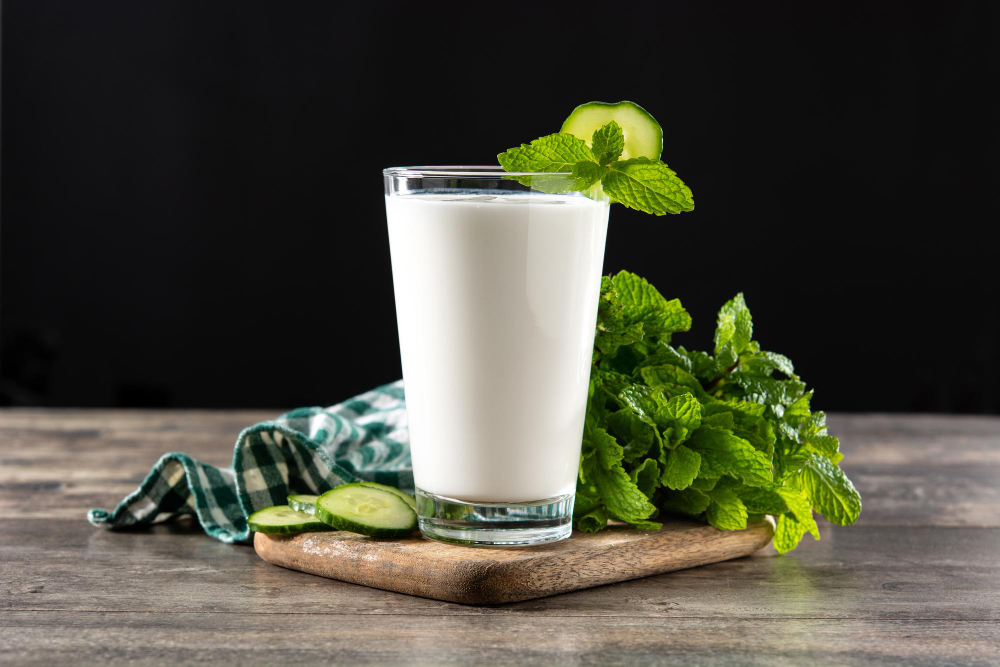
    Lassi is highly versatile, and the variation you choose can add additional health benefits. Sweet lassi, made with sugar and sometimes fruit, provides a quick energy boost, while salted lassi helps replenish electrolytes and is especially refreshing during hot weather. Mango lassi, popular worldwide, combines the benefits of yogurt with the vitamins and antioxidants of mangoes, making it a nutrient-rich treat.

    Spiced lassis, which include ingredients like mint, cumin, or ginger, offer therapeutic properties such as cooling the body, boosting metabolism, and aiding digestion. Each variation has its own unique advantages, allowing you to tailor your daily glass of lassi to your personal health goals. This adaptability is one of the reasons why lassi remains such a beloved beverage.


    Key Health Benefits of Drinking Lassi Daily

    Now that we’ve explored the basics of lassi, let’s dive into its top health benefits. Each of these benefits reflects how lassi contributes to overall wellness, making it a drink worth adding to your daily lifestyle.


    Improves Digestion Naturally

    Lassi works as a natural digestive aid, especially when consumed after meals. Its probiotic content helps balance gut bacteria, allowing food to break down smoothly. Unlike carbonated drinks, which can sometimes cause discomfort, lassi is gentle on the stomach and promotes a feeling of lightness after eating. For those with sensitive digestion, lassi provides relief without any side effects.

    Another aspect of lassi’s digestive benefits lies in its cooling nature. In Ayurveda, lassi is considered a cooling drink that helps balance body heat generated by spicy or heavy meals. By soothing the digestive system and preventing acidity, lassi creates an environment where your body can process food more efficiently and comfortably.


    Boosts Immunity

    Regular consumption of lassi strengthens the immune system thanks to its probiotics, vitamins, and minerals. Probiotics stimulate the production of immune cells that help defend the body against infections. A strong gut microbiome ensures that harmful pathogens are less likely to take hold, reducing the frequency of common illnesses like colds and stomach infections.

    Additionally, nutrients like vitamin D, vitamin B12, and calcium play a role in supporting immune response. Combined with its natural probiotic benefits, lassi becomes a holistic immunity booster. For children, adults, and seniors alike, making lassi a daily habit can mean fewer sick days and better resistance to seasonal illnesses.


    Keeps You Hydrated

    During hot weather, hydration is a top priority, and lassi is one of the most effective drinks for replenishing fluids. Unlike sugary sodas or energy drinks, lassi naturally hydrates the body without artificial additives. Its combination of water and yogurt ensures that electrolytes are restored, preventing dehydration and heat exhaustion.

    For people living in hot climates, lassi is often consumed mid-day to keep energy levels steady. Even athletes can benefit from lassi, as it helps replace lost fluids and provides proteins for recovery. The cooling effect of lassi also makes it particularly refreshing, turning hydration into a pleasurable and healthful experience.


    Supports Weight Management

    Many people assume that dairy-based drinks contribute to weight gain, but lassi is an exception when consumed in moderation. Its protein content helps control appetite, keeping you full for longer and reducing unhealthy snacking. By stabilizing blood sugar levels, lassi prevents sudden hunger spikes that often lead to overeating.

    When prepared with low-fat yogurt and minimal sweeteners, lassi becomes a low-calorie yet filling beverage. Weight-conscious individuals can enjoy lassi as part of their diet without guilt, knowing it provides essential nutrients while supporting their fitness goals. Its ability to satisfy cravings while being healthy makes it an excellent addition to a weight management plan.


    Enhances Skin and Hair Health

    The benefits of lassi are not limited to internal health—it also contributes to glowing skin and strong hair. The probiotics in lassi help reduce inflammation in the gut, which often translates into clearer skin. Since gut imbalances are linked to acne and dullness, maintaining good digestive health through lassi can improve skin radiance.

    Additionally, lassi provides essential vitamins and proteins that strengthen hair follicles and promote healthy growth. Regular consumption ensures your body receives hydration and nutrients that reflect outwardly in your skin and hair. In this way, lassi becomes a natural beauty enhancer from within.


    Why Choose Maharaja Riyasat for Authentic Lassi

    At Maharaja Riyasat, we take pride in serving authentic, traditional lassi crafted with the finest ingredients. Our recipes stay true to the cultural roots of lassi, ensuring that every glass is rich in probiotics, flavor, and health benefits. Whether you prefer a classic salted lassi, a sweet mango lassi, or a spiced version, our menu offers variations that suit every taste and health goal.

    Choosing Maharaja Riyasat means choosing quality and authenticity. We use premium dairy, natural spices, and time-tested preparation methods to ensure your lassi delivers maximum health benefits. With our commitment to tradition and excellence, Maharaja Riyasat is your destination for a lassi experience that nourishes the body while celebrating heritage.


    Conclusion

    Drinking lassi daily is one of the simplest yet most powerful steps you can take toward better health. From improving digestion and boosting immunity to hydrating the body, supporting weight management, and enhancing skin health, the benefits of lassi are far-reaching. Rooted in tradition and supported by modern nutrition, this humble drink proves that wellness doesn’t have to come in complicated forms.

    When you choose lassi as part of your daily diet, you are not just selecting a beverage—you are embracing a lifestyle that values balance, nourishment, and cultural heritage. And with Maharaja Riyasat, you have the opportunity to enjoy lassi in its most authentic form, prepared with care and dedication to health. Make lassi a part of your everyday wellness journey and experience firsthand why this traditional drink has stood the test of time.
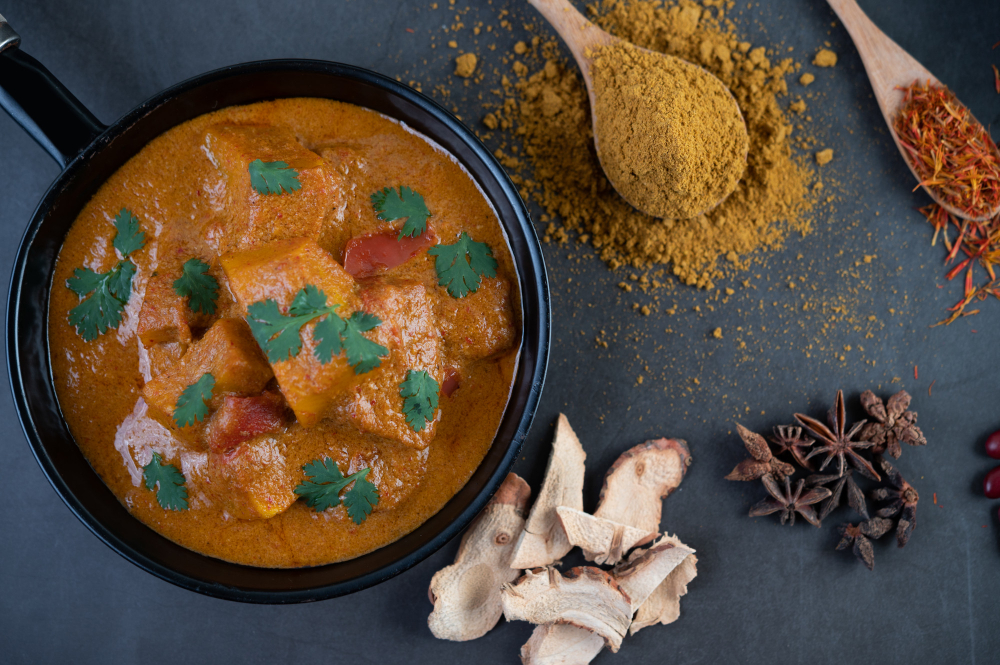
  • History Behind Paneer Butter Masala’s Popularity

    History Behind Paneer Butter Masala’s Popularity

    Introduction

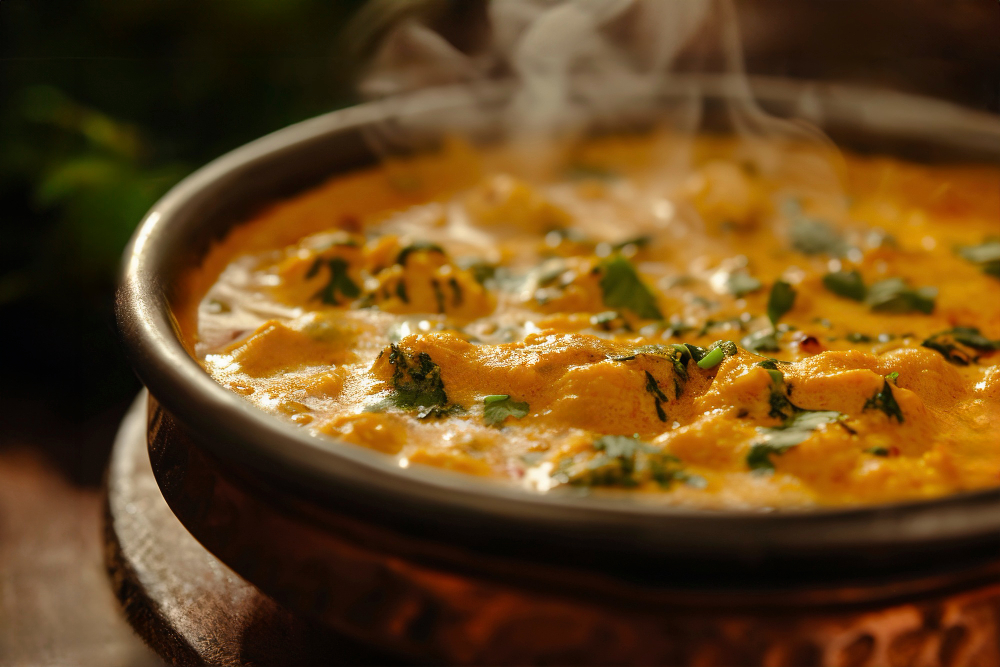
    Paneer butter masala has become one of the most iconic dishes in Indian cuisine, loved not only across India but also by food enthusiasts worldwide. Its rich, creamy gravy, paired with tender cubes of paneer, creates a comforting and indulgent dish that brings people together across generations. Whether enjoyed with naan, roti, or a fragrant serving of basmati rice, paneer butter masala holds a special place in the hearts of food lovers who appreciate both its taste and its story. The rise of this dish tells us as much about India’s culinary journey as it does about the nation’s cultural pride.

    This blog will take you on a flavorful journey through the history behind paneer butter masala’s popularity, tracing its origins, evolution, and widespread appeal. From its Mughal influences to its adaptation in modern restaurants, this dish has traveled through centuries while remaining timeless. We will also explore why Maharaja Riyasat is the ideal destination for experiencing the authentic taste of this classic. So, if you’ve ever wondered how this dish became a household name, stay with us as we uncover its fascinating history. Ready to taste the story behind every bite? Explore our menu to indulge in authentic flavors.

    Things to Know Before Exploring Paneer Butter Masala’s History

    Before diving into the details of paneer butter masala’s journey, it is important to understand some cultural, historical, and culinary contexts that shaped this dish. Indian food has always been an evolving blend of traditions, influences, and regional variations. Paneer butter masala, in particular, is the result of centuries of experimentation with spices, dairy, and cooking techniques, influenced by royal kitchens, everyday households, and modern restaurants.

    Mughal Influence on Indian Cuisine

    The Mughal Empire had a significant influence on Indian cooking, introducing rich gravies, slow-cooked dishes, and a love for cream, nuts, and butter. Paneer butter masala owes much of its luxurious texture to these culinary traditions. The idea of blending tomatoes, cream, and butter into smooth gravies is rooted in Mughal practices that celebrated indulgence and hospitality.

    This influence also contributed to the balance of spices in paneer butter masala, which is rich without being overwhelmingly hot. Secondary keywords like Mughlai cuisine and royal recipes highlight how deeply connected paneer butter masala is to India’s culinary heritage. Without these royal kitchens, the dish we know today would likely never have come into existence.

    The Role of Dairy in Indian Food

    Dairy has always been central to Indian diets, with ghee, milk, and paneer being used widely in households across the subcontinent. Paneer butter masala is a natural outcome of India’s love affair with dairy, particularly paneer, which is one of the most versatile and beloved proteins in vegetarian cooking. The soft texture of paneer complements the creamy gravy beautifully, making it a star ingredient.

    This connection to dairy traditions ensures that paneer butter masala is not just another dish but part of a larger cultural identity. Secondary keywords like Indian dairy cuisine and paneer dishes emphasize the foundational role of milk products in making the dish a household favorite across regions and communities.

    Regional Variations Across India

    Though paneer butter masala is now seen as a pan-Indian favorite, its flavors and preparation methods differ across regions. Some regions prefer a spicier version with more chili, while others make it milder with extra cream or cashew paste. Restaurants often adapt the dish depending on local preferences, making it one of the most flexible Indian recipes.

    These regional adaptations highlight how paneer butter masala continues to evolve with every kitchen. The secondary keywords regional Indian food and spice variations remind us that while the dish has a standard base, its true charm lies in how it can be personalized without losing its essence.

    The Popularity of Vegetarian Dishes

    Paneer butter masala’s success is also linked to the prominence of vegetarianism in India. With a significant portion of the population following vegetarian diets, paneer-based dishes became an essential part of festive meals, celebrations, and daily dining. This made paneer butter masala a restaurant staple and a go-to dish for families dining out.

    Vegetarian cuisine in India is known for being flavorful and diverse, and paneer butter masala exemplifies that richness. Keywords like vegetarian Indian cuisine and paneer recipes reflect how the dish fits perfectly within the vegetarian tradition, offering indulgence without compromising dietary preferences.

    Restaurant and Street Food Culture

    The rise of restaurants and street food culture in India during the 20th century played a big role in popularizing paneer butter masala. Initially seen as a luxurious dish prepared in special occasions, it soon became a must-have on restaurant menus across the country. Its universal appeal made it a favorite among both locals and tourists.

    This growing popularity ensured that paneer butter masala traveled beyond India’s borders, entering international kitchens and menus. Secondary keywords like Indian restaurant dishes and street food culture highlight how this dish transitioned from royal courts to everyday dining experiences, cementing its place in food history.

    Origins of Paneer Butter Masala

    Paneer butter masala traces its origins back to the kitchens of North India, particularly Punjab, where the combination of rich dairy and bold spices created dishes that would later define Indian restaurant cuisine. The introduction of butter and cream into gravies can be linked to Punjab’s abundant dairy culture, while the use of paneer as a protein highlights the region’s vegetarian traditions.

    The evolution of paneer butter masala from Punjabi kitchens into a global sensation also reflects how Indian cuisine adapts to new contexts while preserving authenticity. This adaptability is what has allowed the dish to remain relevant across centuries, appealing equally to traditionalists and modern foodies who crave comfort and flavor.

    Evolution Into Restaurant Menus

    During the mid-20th century, as dining out became more common in India, paneer butter masala emerged as a staple on restaurant menus. Chefs recognized its universal appeal: it was mild enough for children and elders, indulgent enough for celebrations, and flavorful enough to satisfy spice lovers. Its ability to bridge diverse tastes ensured its widespread adoption.

    The restaurant culture also gave paneer butter masala a polished presentation. Served with naan, kulcha, or rice, it became a dish synonymous with comfort and festivity. This restaurant-friendly quality helped it spread internationally, as Indian restaurants abroad introduced it to diners unfamiliar with paneer but quickly enamored by its taste.

    Global Recognition of Indian Cuisine

    As Indian cuisine began gaining international recognition, paneer butter masala played a leading role in shaping perceptions. For many global diners, this dish became their introduction to Indian food, offering a balance of creamy textures and exotic spices. Its mild flavor profile made it approachable while still carrying the essence of authentic Indian cooking.

    The dish soon found a place on menus across the UK, Canada, the US, and beyond, reflecting the diaspora’s role in carrying culinary traditions abroad. Paneer butter masala thus became not just a dish but a culinary ambassador of Indian culture.

    The Comfort Food Connection

    Beyond its cultural significance, paneer butter masala is often described as the ultimate comfort food. Its creamy consistency, rich taste, and balanced spice levels make it a dish people crave in moments of celebration as well as in times of longing for home-cooked flavors. This emotional connection has fueled its popularity across generations.

    For many, paneer butter masala represents more than food—it symbolizes nostalgia, tradition, and love. It is often the first dish children learn to love and one that adults return to when they want the warmth of familiar flavors. This timeless connection ensures its lasting popularity.

    Paneer Butter Masala vs Other Indian Curries

    What sets paneer butter masala apart from other Indian curries is its unique balance of richness and subtlety. While dishes like paneer tikka masala or kadai paneer offer bolder spice profiles, paneer butter masala delivers indulgence without overwhelming the palate. Its tomato-based gravy with butter and cream strikes a harmony that appeals to diverse tastes.

    This balance has made it one of the most ordered vegetarian dishes in restaurants. Its ability to appeal to both seasoned lovers of Indian food and first-time diners ensures that it remains unmatched in popularity compared to other curries on the menu.

    Why Choose Maharaja Riyasat for Authentic Paneer Butter Masala

    At Maharaja Riyasat, we take pride in preserving the authenticity of dishes like paneer butter masala while presenting them with royal finesse. Our chefs use traditional recipes, fresh paneer, and high-quality ingredients to craft a dish that is true to its heritage. Every serving is prepared with care to ensure that diners experience the richness and depth that makes paneer butter masala iconic.

    Beyond authenticity, our restaurant provides a dining experience that celebrates India’s royal culinary traditions. By choosing Maharaja Riyasat, you are not only enjoying a meal but also taking part in a story that connects centuries of history with modern dining. Explore our menu to discover how we bring these timeless flavors to life.

    Conclusion

    Paneer butter masala is more than just a dish—it is a culinary journey through history, culture, and tradition. From its Mughal-inspired roots to its Punjabi identity and global acclaim, it represents the richness of Indian cuisine in every bite. Its enduring appeal lies not only in its taste but in the emotions and memories it evokes, making it a timeless classic.

    For food lovers, exploring paneer butter masala means embracing the best of Indian culinary artistry. At Maharaja Riyasat, we proudly carry forward this legacy, offering our guests an authentic and royal experience of this beloved dish. So, the next time you crave a dish that embodies comfort, indulgence, and history, remember that paneer butter masala at Maharaja Riyasat is waiting to delight you.

    Summary

    In this blog, we explored the fascinating history behind paneer butter masala’s popularity, tracing its Mughal influences, dairy traditions, regional variations, and global journey. We highlighted its role in shaping Indian vegetarian cuisine and compared it with other curries to showcase its unique balance of richness and subtlety. Finally, we shared why Maharaja Riyasat is the perfect place to savor authentic paneer butter masala, crafted with traditional recipes and royal hospitality. For those who value authentic flavors and a royal dining experience, Maharaja Riyasat stands out as the destination where history and taste come together beautifully.

  • Vegetarian Indian Curry Dishes Loved Worldwide

    Vegetarian Indian Curry Dishes Loved Worldwide

    Introduction

    The rich and diverse world of Indian cuisine has captured hearts across the globe, and at its core lies the irresistible charm of Indian curry. From vibrant street food in Delhi to fine dining restaurants in Toronto, vegetarian Indian curry dishes have become staples that showcase tradition, flavor, and creativity. Whether you are a lifelong vegetarian or simply seeking wholesome alternatives, these dishes tell a story of culture while bringing comfort to the table. Their universal appeal has made them loved worldwide, transcending borders and connecting people through taste.

    In this blog, we’ll dive into some of the most popular vegetarian Indian curry dishes that have gained global admiration. You’ll learn about the unique flavors, ingredients, and cooking methods that make each one special. Beyond the culinary details, we’ll explore why these curries are healthy, versatile, and endlessly adaptable. By the end, you’ll not only crave these dishes but also discover why Maharaja Riyasat is the perfect place to experience authentic Indian curry in Canada. Let’s begin our flavorful journey!


    Things to Know Before Exploring Vegetarian Indian Curry

    Indian curry is not just food; it’s a cultural experience. Before diving into the most famous dishes, it’s important to understand what makes vegetarian Indian curry unique and why it has become globally celebrated. From spices to cooking techniques, these key elements create the foundation of every curry you’ll encounter.

    The Role of Spices in Indian Curry

    At the heart of every vegetarian Indian curry recipe lies a blend of spices carefully balanced to create depth and aroma. Common spices include turmeric, cumin, coriander, garam masala, and chili powder. Each spice carries its own health benefits and plays a role in defining flavor profiles. For example, turmeric adds both earthy flavor and anti-inflammatory properties, while cumin enhances digestion. Together, these spices make curries not only delicious but also nourishing.

    When combined, spices in Indian cooking follow the principle of layering flavors. Rather than overwhelming the palate, they build complexity one step at a time. This careful orchestration is what makes Indian curry distinct from many other cuisines. Whether you’re savoring a mild curry or a fiery one, spices ensure every bite is memorable.

    Fresh Ingredients Make a Difference

    Vegetarian curries shine because of the emphasis on fresh vegetables, legumes, and herbs. Ingredients like spinach, cauliflower, peas, and paneer are commonly used, often sourced locally to retain natural flavor. The use of seasonal produce allows for flexibility in recipes, ensuring dishes are fresh and vibrant throughout the year. Fresh coriander leaves, ginger, and garlic are almost always present, elevating both taste and aroma.

    By focusing on fresh and wholesome ingredients, vegetarian Indian curry maintains its appeal as both comfort food and a health-conscious choice. Unlike processed meals, these dishes celebrate natural flavors while providing essential nutrients. This makes them a perfect balance of indulgence and wellness, enjoyed by families and food lovers everywhere.

    Cooking Techniques That Define Flavor

    Indian curries often begin with tempering, a process where whole spices are briefly fried in hot oil or ghee to release their flavors. This technique sets the foundation for the dish, ensuring a rich aroma from the very beginning. Slow cooking is another hallmark, allowing ingredients to absorb spices fully while creating creamy, layered textures.

    These methods highlight why Indian curry has universal popularity. By carefully controlling heat and cooking times, chefs craft dishes that are both hearty and delicate. Techniques like simmering with coconut milk or cream add richness, while grilling or roasting vegetables beforehand enhances smokiness. Together, these techniques create a culinary art form.

    Cultural Significance of Curry

    Beyond flavor, vegetarian Indian curry represents community and tradition. In India, meals are often shared among family and friends, with curries playing a central role. Dishes like dal or chana masala are daily staples, while festive curries like navratan korma are reserved for celebrations. Each recipe carries stories passed down through generations.

    This cultural depth is part of why Indian curry has found love worldwide. As immigrants carried recipes to new countries, these dishes became ambassadors of Indian culture. Today, they are cherished not only in India but in kitchens and restaurants across Europe, North America, and beyond.

    Health Benefits of Vegetarian Curries

    One of the reasons vegetarian Indian curry has gained a strong global following is its health profile. Packed with vegetables, legumes, and lean proteins like paneer, these dishes are naturally rich in fiber, protein, and vitamins. Spices such as ginger and garlic contribute to boosting immunity, while chilies are known for metabolism-enhancing properties.

    For health-conscious eaters, vegetarian curries provide satisfying meals without compromising wellness. They cater easily to vegan, gluten-free, and plant-based diets, making them adaptable to diverse lifestyles. This versatility ensures Indian curry is not just delicious but also aligned with modern dietary preferences.


    Popular Vegetarian Indian Curry Dishes

    Chana Masala – The Protein-Rich Classic

    Chana Masala, also known as chickpea curry, is one of the most beloved vegetarian Indian curries worldwide. Made with tender chickpeas simmered in a tangy tomato-onion base, it delivers both flavor and nutrition. The spices used—such as cumin, coriander, and garam masala—make it a dish bursting with warmth and depth. High in protein and fiber, it’s a favorite among vegetarians and fitness enthusiasts alike.

    This dish pairs beautifully with rice, naan, or roti, making it versatile for any meal. Its popularity in Indian restaurants globally proves its universal charm. Whether enjoyed in a street-side stall in Mumbai or a fine dining restaurant in Canada, Chana Masala always offers comfort and satisfaction.

    Palak Paneer – A Green Powerhouse

    Palak Paneer combines fresh spinach puree with cubes of paneer (Indian cottage cheese), creating a dish that is as nutritious as it is delicious. The spinach provides iron, calcium, and vitamins, while paneer adds protein and texture. The curry is lightly spiced with ginger, garlic, and garam masala, resulting in a creamy, mildly tangy flavor.

    Loved by vegetarians around the world, Palak Paneer is often recommended for those new to Indian food because it is flavorful without being overly spicy. Its vibrant green color makes it visually appealing, and it pairs perfectly with naan or steamed basmati rice, making it a wholesome choice for lunch or dinner.

    Aloo Gobi – The Comfort Food Curry

    Aloo Gobi, made with potatoes (aloo) and cauliflower (gobi), is a staple in Indian households. The vegetables are cooked with turmeric, cumin, and other spices, creating a golden-yellow curry with a subtle earthy taste. It’s a simple yet hearty dish, often cooked dry or semi-gravy depending on regional styles.

    Its charm lies in its simplicity. Aloo Gobi demonstrates how humble vegetables, when combined with the right spices, can turn into something extraordinary. This dish is particularly popular among home cooks worldwide because it’s easy to prepare and requires readily available ingredients, making it a true comfort food.

    Dal Tadka – The Everyday Staple

    Dal Tadka is a lentil curry that holds a special place in Indian cuisine. Made with yellow lentils cooked until soft and then tempered with ghee, garlic, cumin, and dried red chilies, it delivers a comforting balance of flavors. The smoky aroma from the tempering process, known as “tadka,” makes it unique and beloved.

    Dal Tadka is often enjoyed with steamed rice, creating the classic Indian comfort meal known as “dal chawal.” Its simplicity and nourishing qualities have made it a global favorite. Rich in protein and easy to digest, Dal Tadka remains a go-to dish for families and food lovers seeking authentic vegetarian Indian curry.

    Navratan Korma – The Royal Curry

    Navratan Korma, meaning “nine jewels curry,” is a rich and creamy dish made with a mix of nine different vegetables, nuts, and sometimes paneer. Cooked in a luxurious sauce of cream, cashews, and spices, this curry is mildly sweet with a delicate flavor profile. Its name reflects the opulence of Mughlai cuisine, where it originated.

    This dish is often served at weddings and special occasions, symbolizing abundance and celebration. Around the world, Navratan Korma has become synonymous with indulgence in vegetarian Indian cuisine. Its colorful presentation and creamy texture make it a showstopper that continues to win hearts globally.

    Baingan Bharta – The Smoky Delight

    Baingan Bharta is a curry made from roasted eggplant mashed and cooked with onions, tomatoes, and spices. The roasting process gives it a smoky flavor that distinguishes it from other curries. This dish is especially popular in northern India but has gained fans internationally due to its unique taste.

    It’s often paired with roti or naan, making it a hearty and satisfying meal. For those who love bold, rustic flavors, Baingan Bharta is an unforgettable vegetarian curry. Its popularity abroad highlights how traditional Indian cooking techniques can create dishes with universal appeal.

    Vegetable Jalfrezi – The Stir-Fry Curry

    Vegetable Jalfrezi is a semi-dry curry featuring stir-fried vegetables cooked with tomatoes, bell peppers, and aromatic spices. Unlike many other curries, Jalfrezi retains the crunch of vegetables, making it fresh and vibrant. This dish is slightly tangy, spicy, and incredibly versatile, often enjoyed with naan or rice.

    Its origins trace back to colonial India, but today it’s one of the most commonly ordered dishes in Indian restaurants abroad. Vegetable Jalfrezi appeals to those who love lighter curries with bold flavors and plenty of texture, making it a global favorite among vegetarians.

    Malai Kofta – The Indulgent Treat

    Malai Kofta is considered one of the most indulgent vegetarian curries. It features fried dumplings made of paneer, potatoes, and spices, served in a rich, creamy tomato-based gravy. The word “malai” refers to cream, which gives the dish its signature velvety texture.

    Often served at celebrations and festive gatherings, Malai Kofta is beloved for its luxurious taste and presentation. Outside India, it has become a symbol of Indian fine dining, offering an unforgettable experience for curry lovers. It pairs beautifully with butter naan or jeera rice, making it a complete indulgence.


    Why Choose Maharaja Riyasat for Authentic Indian Curry

    When it comes to experiencing authentic vegetarian Indian curry in Canada, Maharaja Riyasat stands out as a premier destination. The restaurant is dedicated to preserving the true flavors of India while adding a touch of modern sophistication. Every curry is crafted with carefully sourced ingredients, ensuring freshness and authenticity in every bite.

    At Maharaja Riyasat, the culinary team brings together traditional recipes and contemporary presentation. From the richness of Malai Kofta to the comfort of Dal Tadka, every dish is prepared with passion and precision. The restaurant also offers a warm ambiance that complements the dining experience, making it ideal for both casual meals and special occasions.

    Beyond just food, Maharaja Riyasat is committed to offering an immersive cultural experience. With impeccable service, curated menus, and a deep respect for culinary traditions, it ensures every guest feels connected to the heritage of Indian cuisine. For those seeking the best vegetarian Indian curry in Canada, Maharaja Riyasat is the ultimate choice.


    Conclusion

    Vegetarian Indian curry has traveled far beyond India’s borders, becoming a culinary treasure loved across the globe. From the protein-packed Chana Masala to the indulgent Malai Kofta, each dish tells a story of tradition, innovation, and flavor. These curries are more than just meals; they are cultural experiences that unite people and celebrate diversity.

    At Maharaja Riyasat, these timeless dishes come alive with authenticity and artistry. Whether you’re exploring Indian food for the first time or a seasoned curry enthusiast, this is the perfect place to enjoy world-class vegetarian curries. Visit Maharaja Riyasat and savor the flavors that have captured hearts worldwide—because nothing connects people quite like a steaming bowl of Indian curry.

  • Desi Tadka Spices That Make Every Meal Special

    Desi Tadka Spices That Make Every Meal Special

    Introduction

    When it comes to Indian cuisine, nothing elevates a dish quite like the magic of desi tadka. The sizzling tempering of spices in hot oil or ghee not only fills the kitchen with irresistible aromas but also transforms simple meals into flavorful masterpieces. Whether it’s dal, sabzi, or a wholesome curry, the addition of desi tadka adds richness, depth, and tradition to every bite. For generations, families have cherished this culinary technique, making it a signature of authentic Indian home cooking that connects us to our roots and flavors of our heritage.

    In this blog, we will explore the essential spices that make desi tadka truly special. From the earthy cumin seeds to the fiery red chilies, each spice brings its own unique aroma and taste to the table. We’ll dive into what makes these spices important, how they enhance traditional flavors, and why incorporating them into your meals is a must. By the end, you’ll not only understand the magic of desi tadka but also discover why Maharaja Riyasat is your trusted source for authentic Indian spices. Explore our spice collection here.


    Things to Know Before Using Desi Tadka Spices

    Before diving into the individual spices, it’s important to understand how desi tadka works and why it’s a fundamental part of Indian cooking. Tadka, also known as tempering, involves heating oil or ghee and adding whole or ground spices to release their essential oils and flavors. This process creates a base of aroma and taste that infuses the entire dish. Without this step, Indian food can often feel incomplete, lacking the depth and balance that spices provide.

    Knowing which spices to use and how to use them is equally important. Each spice reacts differently when exposed to heat—some release their fragrance quickly, while others need time to toast gently. Additionally, pairing the right spices with the right dishes ensures a harmonious balance of taste. Let’s break down the essential elements you must know before preparing a perfect desi tadka.

    The Role of Oil or Ghee in Tadka

    The foundation of a great tadka lies in the fat you choose. Traditional Indian cooking often favors ghee for its rich, nutty flavor, which adds depth to dals and curries. Alternatively, vegetable oils, mustard oil, or sunflower oil are also popular choices depending on the dish and regional traditions. Each type of fat influences how the spices release their flavors, making it a crucial decision in cooking with spices.

    When the oil or ghee is heated correctly, it becomes the perfect medium to crackle cumin seeds, sizzle mustard seeds, or fry garlic and onions until golden. This quick process enhances the aroma of the spices, creating a flavorful tempering that elevates the entire dish. Choosing the right cooking fat ensures that your desi tadka is not only authentic but also delicious and memorable.

    Importance of Fresh and Authentic Spices

    The quality of spices can make or break your tadka. Using fresh, authentic Indian spices guarantees maximum flavor and aroma. Over time, spices lose their potency, and stale spices will result in a dull tadka. This is why sourcing from trusted brands like Maharaja Riyasat ensures that every pinch of cumin, mustard, or turmeric retains its natural oils and essence.

    Authentic spices not only enhance taste but also preserve the cultural significance of traditional flavors. Many households take pride in stocking their spice boxes with hand-picked, high-quality ingredients. Investing in authentic Indian food staples means you’re not just cooking—you’re creating an experience that mirrors the richness of India’s culinary heritage.

    Balancing Heat and Flavor

    Desi tadka is all about balance. Some spices bring heat, like dried red chilies or chili powder, while others add earthy tones, such as cumin and coriander. Too much heat can overpower a dish, while too little may leave it bland. The secret lies in creating a blend where each spice complements the other.

    Balancing flavors doesn’t just mean spice levels—it also involves harmonizing sweet, sour, salty, and bitter notes. For example, hing (asafoetida) adds a pungent yet savory element, while curry leaves bring freshness. Understanding this balance ensures that your desi tadka spices work in harmony, enhancing your dish rather than dominating it.

    Timing Matters in Tempering

    One of the most important aspects of tadka is timing. Adding spices to oil that’s too hot can cause them to burn, resulting in bitterness. On the other hand, adding them to lukewarm oil prevents them from releasing their full aroma. Mastering the art of timing ensures that your spices bloom to perfection.

    For instance, mustard seeds should be allowed to crackle fully before adding the next ingredient, while garlic should be fried until just golden to avoid bitterness. Proper timing transforms ordinary spices into a fragrant infusion that defines the soul of Indian cooking with spices.

    Regional Variations in Desi Tadka

    While the concept of tadka remains the same across India, the choice of spices varies by region. In South Indian cuisine, curry leaves and mustard seeds dominate, while in North India, cumin, garlic, and red chilies are more common. These variations reflect the diversity of Indian flavors and traditions.

    Exploring these regional differences allows you to experiment with spice blends in your own kitchen. Whether you prefer the fiery heat of Rajasthani tadka or the aromatic flavors of South Indian dishes, regional variations showcase the versatility of authentic Indian food. This cultural richness is what makes desi tadka an art form rather than just a cooking technique.


    Essential Desi Tadka Spices

    Cumin Seeds (Jeera)

    Cumin seeds are one of the most widely used spices in desi tadka. Known for their warm, earthy flavor, they add depth to dals, curries, and vegetable stir-fries. When added to hot oil, they release a nutty aroma that instantly enhances the dish. Beyond taste, cumin is also valued for its digestive properties, making it a staple in Indian kitchens.

    Incorporating cumin seeds into your tadka not only boosts flavor but also connects you to traditional cooking practices. Their versatility allows them to complement a variety of dishes, whether it’s a simple dal tadka or a rich curry. Discover cumin seeds at Maharaja Riyasat.

    Mustard Seeds (Rai)

    Mustard seeds bring a sharp, tangy flavor that adds vibrancy to dishes, particularly in South Indian and Maharashtrian cuisine. When fried in hot oil, they pop and crackle, releasing a distinct aroma that forms the base for many vegetable preparations. They are often paired with curry leaves for an authentic Indian food experience.

    These tiny seeds may be small, but their impact on taste is powerful. They add a depth of flavor that transforms everyday meals into something memorable. Whether you’re preparing sambhar or stir-fried vegetables, mustard seeds are essential for creating the perfect desi tadka.

    Dried Red Chilies

    Dried red chilies are the spice that brings heat and boldness to desi tadka. They infuse the oil with a smoky, fiery flavor that enriches dals, curries, and chutneys. Depending on the type of chili used, they can range from mildly spicy to intensely hot, making them adaptable to different preferences.

    The visual appeal of red chilies sizzling in oil also adds to the sensory experience of cooking. They symbolize the boldness of Indian flavors and remind us that spice is not just about heat—it’s about creating complexity in every bite.

    Asafoetida (Hing)

    Asafoetida, or hing, is a unique spice often used in small quantities for its pungent aroma and flavor. It’s particularly popular in vegetarian cooking, where it enhances the taste of dals and curries without the use of onions or garlic. When fried in oil, it mellows into a savory, umami-like flavor that enriches the dish.

    Hing is also known for its digestive benefits, making it a valued addition to Indian households. Despite its strong smell in raw form, hing transforms beautifully in tadka, becoming a subtle yet powerful contributor to authentic Indian food.

    Curry Leaves

    Fresh curry leaves are an indispensable part of South Indian tadka. Their aromatic, citrusy flavor elevates dishes like sambhar, rasam, and coconut-based curries. When added to hot oil, they release an irresistible fragrance that lingers throughout the meal.

    Curry leaves are more than just a garnish—they’re a flavor powerhouse that defines regional authenticity. Their ability to transform simple dishes into something extraordinary is why they hold a special place in the spice box of Indian households.

    Turmeric (Haldi)

    Turmeric is not only known for its vibrant yellow color but also for its earthy, slightly bitter taste. It’s often added after the tempering stage to lend both flavor and health benefits to dishes. Rich in curcumin, turmeric is celebrated for its anti-inflammatory properties, making it an essential part of everyday cooking with spices.

    A pinch of turmeric in tadka adds warmth and a golden hue to dals, curries, and vegetable dishes. It symbolizes the health and tradition intertwined in Indian cooking, making it indispensable in any spice collection.

    Garlic and Onion

    Though not always classified strictly as spices, garlic and onion are often added to tadka for their robust flavors. Garlic adds a sharp, savory kick, while onions provide sweetness and body to the dish. Together, they create a flavorful foundation that enhances the richness of curries and gravies.

    These ingredients not only build layers of taste but also resonate with homestyle Indian cooking. Their combination with traditional spices completes the desi tadka experience, turning simple meals into comforting, wholesome delights.


    Why Choose Maharaja Riyasat for Authentic Desi Tadka Spices?

    When it comes to preparing authentic desi tadka, the quality of your spices determines the outcome. Maharaja Riyasat offers a premium range of handpicked, authentic Indian spices that preserve the tradition and taste of Indian cooking. Each product is carefully sourced to ensure freshness, aroma, and potency, so your dishes turn out flavorful every time.

    By choosing Maharaja Riyasat, you’re not just buying spices—you’re investing in authenticity, quality, and a connection to India’s culinary heritage. Our extensive spice collection ensures you’ll find everything you need, from cumin and mustard seeds to turmeric and curry leaves. Shop authentic spices now.


    Conclusion

    Desi tadka is more than just a cooking technique—it’s the soul of Indian cuisine. The careful tempering of cumin, mustard seeds, red chilies, hing, curry leaves, and other spices transforms ordinary meals into extraordinary culinary experiences. Each spice carries tradition, health benefits, and bold flavors that reflect India’s diverse food culture.

    By understanding how to balance flavors, master timing, and choose authentic spices, you can recreate the magic of desi tadka in your own kitchen. And with Maharaja Riyasat’s premium spice collection, you have everything you need to bring authentic Indian food to life. Whether you’re cooking a simple dal or an elaborate curry, let desi tadka turn every meal into something truly special.

  • How Maharaja Riyasat Makes Authentic Biryani

    How Maharaja Riyasat Makes Authentic Biryani

    Introduction

    There is something magical about the aroma of biryani—an irresistible fragrance of slow-cooked rice, spices, and tender meat that fills the air and instantly awakens cravings. For food lovers, biryani is more than just a meal; it is an experience tied to culture, heritage, and indulgence. Whether enjoyed with friends at a grand dinner or savored alone, biryani has an unmatched ability to bring joy and satisfaction. At Maharaja Riyasat, this experience is elevated to another level by serving biryani the way it was meant to be: authentic, flavorful, and steeped in tradition.

    In this blog, we’ll explore how Maharaja Riyasat creates its signature biryani, from the use of fresh spices and carefully selected ingredients to the artistry of the traditional dum cooking method. You’ll also discover the history, techniques, and secrets that make biryani a royal dish passed down through generations. If you’re a fan of biryani or curious about what makes it so special, this detailed guide will inspire you to try Maharaja Riyasat’s authentic version. Check out our menu and treat yourself to a dining experience that captures the true spirit of Indian cuisine.

    Things to Know About Authentic Biryani Before You Try It

    History of Biryani and Its Royal Origins

    The origins of biryani can be traced back to the royal kitchens of India, where it was crafted as a dish fit for kings. It is believed to have been introduced during the Mughal era, blending Persian cooking traditions with Indian spices. Biryani quickly became a symbol of hospitality and grandeur, served at weddings, banquets, and special occasions. Each preparation carried an essence of royalty, combining rich flavors and exquisite aromas that made it stand out from everyday meals.

    Over time, biryani became more than just royal fare—it became part of cultural identity in regions across India. While its luxurious beginnings remain evident in its preparation and presentation, biryani has also evolved into a comfort food for millions. Maharaja Riyasat honors these roots by keeping the authenticity alive in every plate they serve, ensuring that diners enjoy the dish as it was originally intended—full of history, culture, and flavor.

    Key Ingredients That Define Authentic Biryani

    Authentic biryani is defined by its ingredients, and every detail matters. Fragrant basmati rice is the backbone of the dish, chosen for its long grains and delicate aroma. Spices such as saffron, cardamom, cloves, and cinnamon infuse the rice and meat with layers of flavor, while caramelized onions add depth and sweetness. Fresh herbs like mint and coriander bring brightness and balance, complementing the richness of the meat or vegetables.

    At Maharaja Riyasat, every ingredient is carefully hand-picked to ensure the highest quality. The meat is tender and marinated with precision, while the rice is aged to achieve the perfect fluffiness when cooked. Even the saffron, one of the most prized spices in the world, is sourced to deliver authenticity. The result is a harmonious blend of ingredients that work together to create an unforgettable dining experience.

    Cooking Techniques Behind Real Biryani

    One of the defining elements of authentic biryani is the cooking method known as dum, where the ingredients are slow-cooked together in a sealed pot. This allows the rice, meat, and spices to release their flavors gradually, creating a dish that is both aromatic and deeply satisfying. Unlike quick cooking methods, dum ensures that the flavors are locked in, and the texture of the rice remains fluffy while the meat stays tender.

    Maharaja Riyasat follows this time-honored tradition with precision. Their chefs carefully layer rice and marinated meat, then seal the pot to trap steam and flavor. This technique is not just about cooking—it is about patience, respect for tradition, and a dedication to delivering biryani that tastes just as it would in the kitchens of royal India.

    Regional Variations in Biryani Recipes

    India’s diversity is reflected in the countless regional variations of biryani, each with its own identity. The Hyderabadi biryani is famous for its spice and bold flavors, while the Lucknowi biryani emphasizes subtle aromas and a more delicate layering. Coastal regions bring seafood into the mix, creating vibrant seafood biryanis, while vegetarian versions are beloved in other parts of the country. Each type has its own loyal following and cultural significance.

    At Maharaja Riyasat, the focus is on preserving authenticity while embracing diversity. Their biryani pays homage to these traditions by combining the best aspects of regional styles into one refined dish. This allows diners to experience the richness of India’s culinary heritage without compromising on the authenticity that makes biryani so iconic.

    Importance of Aroma and Presentation

    Biryani is as much about presentation and aroma as it is about taste. The fragrance of saffron, cloves, and cardamom mingling with perfectly cooked rice creates an irresistible sensory experience. When the lid of a biryani pot is lifted, the steam that escapes carries with it an intoxicating aroma that prepares the palate for what’s to come. Presentation adds another dimension, with vibrant layers of rice, herbs, and meat creating a feast for the eyes.

    Maharaja Riyasat takes pride in the way their biryani is presented. Each plate is a visual and aromatic masterpiece, designed to heighten the overall dining experience. From the moment the dish arrives at your table to the last bite, the focus is on delivering not just a meal, but a journey through senses that defines what authentic biryani should be.

    How Maharaja Riyasat Crafts Its Signature Biryani

    Hand-Picked Spices and Premium Ingredients

    The journey to authentic biryani at Maharaja Riyasat begins with the selection of ingredients. Only the finest basmati rice, known for its fragrance and texture, is chosen for their kitchen. Premium cuts of meat are carefully marinated in a blend of yogurt and spices to ensure tenderness and flavor. Spices such as saffron, cardamom, and star anise are meticulously measured to achieve a balance that elevates the dish without overpowering it.

    Attention to detail is at the core of their preparation. Even small elements like the caramelization of onions and the freshness of herbs are treated with utmost care. By sourcing the best ingredients and respecting the integrity of each component, Maharaja Riyasat ensures that their biryani delivers an authentic taste that reflects India’s culinary heritage.

    Traditional Dum Cooking Method

    The soul of Maharaja Riyasat’s biryani lies in the dum cooking process. This technique, perfected over centuries, requires skill and patience. Layers of rice and marinated meat are carefully assembled in a heavy-bottomed pot, sealed with dough or a tight-fitting lid. The dish is then slow-cooked over low heat, allowing steam to circulate and infuse the rice with the rich flavors of the meat and spices.

    This traditional method results in biryani that is moist, flavorful, and perfectly balanced. Every grain of rice absorbs the essence of the spices, while the meat cooks to a tender consistency. By adhering to this age-old process, Maharaja Riyasat preserves the authenticity of biryani, giving diners a taste that is as close to the royal kitchens of India as possible.

    Attention to Detail in Layering

    The layering of biryani is an art form, and Maharaja Riyasat takes it seriously. Rice and meat are not simply mixed; they are layered in a way that ensures every bite delivers a perfect balance of flavors. Caramelized onions, saffron milk, and fresh herbs are added between layers, creating a symphony of taste and texture that evolves with each mouthful.

    This meticulous approach to layering ensures that the final dish is not just delicious but also visually stunning. The contrast of golden rice, tender meat, and vibrant herbs creates a dish that looks as good as it tastes. Maharaja Riyasat’s chefs treat layering as a form of craftsmanship, ensuring that every serving of biryani is a work of art.

    Balancing Tradition and Innovation

    While Maharaja Riyasat stays true to traditional methods, they also embrace innovation to enhance the dining experience. Modern culinary techniques are sometimes integrated to refine textures or enhance presentation without compromising authenticity. For example, plating styles may incorporate contemporary elegance while the flavors remain rooted in tradition.

    This balance allows Maharaja Riyasat to cater to both purists who seek authentic biryani and modern diners who appreciate artistic presentation. By honoring the past while embracing the present, the restaurant creates a unique identity that sets its biryani apart from the rest.

    Consistency in Every Plate

    One of the hallmarks of a great biryani is consistency. Every time you order biryani at Maharaja Riyasat, you can expect the same quality, flavor, and aroma. Achieving this requires strict adherence to recipes, quality checks, and the dedication of skilled chefs who treat every plate as a responsibility.

    This consistency is what keeps diners returning for more. Customers know that each experience will be as delightful as the last, making Maharaja Riyasat a trusted destination for authentic biryani. Their ability to maintain high standards across every plate is a testament to their commitment to excellence.

    Why Choose Maharaja Riyasat for Authentic Biryani

    Choosing where to enjoy biryani can be overwhelming, especially when so many options claim authenticity. Maharaja Riyasat stands out because of its unwavering commitment to tradition, quality, and customer satisfaction. From the hand-picked spices and dum cooking method to the artistry of layering, every step reflects a dedication to authenticity.

    Moreover, the dining experience at Maharaja Riyasat goes beyond just the food. The ambiance, hospitality, and attention to detail create an atmosphere where guests feel valued and connected to India’s culinary heritage. By choosing Maharaja Riyasat, diners are not just ordering biryani—they are indulging in a culinary journey that brings together history, culture, and flavor in one unforgettable experience.

    Conclusion

    Authentic biryani is not just a dish—it is a story of heritage, tradition, and culinary artistry. Maharaja Riyasat has mastered the art of creating biryani that stays true to its royal origins while appealing to modern tastes. From carefully selected spices to the dum cooking method, every detail is handled with precision to ensure that diners receive an authentic experience.

    For anyone seeking the true taste of biryani, Maharaja Riyasat is the ultimate destination. Each plate reflects centuries of tradition, balanced with a commitment to quality and consistency. Visit Maharaja Riyasat today and savor authentic biryani crafted with passion, precision, and a deep respect for heritage.

  • Punjabi Food Dining Etiquette Everyone Should Know

    Punjabi Food Dining Etiquette Everyone Should Know

    Introduction

    Dining is more than just enjoying delicious dishes—it’s an experience that connects culture, tradition, and people. When it comes to Punjabi food, the experience goes far beyond the plate. From the aroma of sizzling spices to the warm hospitality Punjabis are known for, dining in this tradition is both heartwarming and memorable. Yet, with all its richness comes a unique set of dining etiquettes that reflect respect, community, and cultural pride. For those unfamiliar, understanding these customs can make the experience far more authentic.

    In this blog, we’ll walk you through the essential etiquette of enjoying Punjabi cuisine, from greetings at the table to traditional serving practices and communal dining values. By the end, you’ll not only know what to expect at a Punjabi table but also how to appreciate every detail of the culture behind it. If you’re ready to dive deeper into authentic dining, be sure to check out our menu of Punjabi specialties and make your next meal unforgettable.


    Things to Know Before Experiencing Punjabi Dining

    Punjabi dining is steeped in tradition, community, and a strong sense of respect for both food and company. Before you sit down at a Punjabi table, it’s helpful to understand the context behind these customs. Meals are not just about eating; they are a way of bonding with family, friends, and even strangers. Sharing is central to the culture, as is showing gratitude for the meal and the people who prepared it.

    Equally important is the way food is served and consumed. From the use of hands for certain dishes to the idea of always offering food to others before yourself, etiquette plays a big role. Understanding these elements will not only help you enjoy your dining experience but also show respect for the traditions that make Punjabi food so unique.

    Respect for Food and Hospitality

    In Punjabi culture, food is considered a blessing, and wasting it is discouraged. Whether you’re savoring a simple roti or indulging in a rich curry, every bite should be appreciated. Hosts take pride in serving generously, often insisting that guests eat more than they intended.

    Hospitality is deeply ingrained in Punjabi dining. A guest is treated like royalty, which is why many say eating Punjabi food feels like experiencing true warmth. This cultural foundation also explains why dishes like paneer butter masala are often prepared in large, hearty servings—meant to be shared and enjoyed together.

    The Importance of Sharing

    Meals are meant to be shared. At a Punjabi table, you’ll notice dishes placed at the center, encouraging everyone to serve themselves and others. This style reflects the spirit of togetherness and ensures everyone gets a taste of every dish.

    It’s common to offer food to others before taking it yourself. This small act shows respect and thoughtfulness, making the dining experience communal rather than individual. In fact, many consider this act one of the purest ways to demonstrate Punjabi hospitality.

    Eating with Hands

    While cutlery is used, many traditional dishes—like parathas, rotis, or rice with curry—are best enjoyed with hands. Eating with your hands is not just practical; it’s believed to enhance the flavor and connection with the food.

    Of course, cleanliness is a must. Always wash your hands before and after meals. And when eating, use only your right hand, as the left is considered unclean in traditional contexts. To understand this better, you can explore our blog on paratha vs roti, which highlights the cultural significance of bread in Punjabi meals.

    Gratitude and Blessings

    Before starting a meal, it’s common to express gratitude for the food, often with a simple prayer or thought. This habit underscores the importance of respecting the efforts behind preparing a meal and acknowledging the blessings it provides.

    After finishing, showing appreciation to the cook or host is also customary. A heartfelt compliment or even asking for seconds is a sign that you truly enjoyed the food, which brings joy to the host.

    The Role of Community in Dining

    Community is at the heart of Punjabi dining, and this is especially evident in places like gurdwaras, where langar (community meals) is served to everyone, regardless of status or background. This act of communal dining breaks barriers and unites people through food.

    At home or in restaurants, the same spirit continues. Large gatherings often feature an array of dishes, from butter chicken to biryani, symbolizing abundance and generosity. If you’re curious about how spices play a role in this communal experience, check out our guide to exploring the rich spices of Punjabi food.


    Key Etiquettes in Punjabi Food Dining

    Greeting Before Dining

    Before diving into a meal, it’s polite to greet everyone at the table. Whether it’s a simple “Sat Sri Akal” or a warm hello, acknowledging others creates a welcoming atmosphere. These greetings are as important as the food itself, symbolizing unity before sharing a meal.

    In restaurants, greeting your hosts and servers respectfully also enhances your dining experience. Many Punjabi restaurants pride themselves on extending the same warmth found in traditional homes. For example, our team at Maharaja Riyasat makes it a priority to welcome every guest with royal hospitality.

    Accepting Food Graciously

    When food is offered, it’s customary to accept graciously, even if it’s just a small portion. Refusing outright may be seen as impolite, especially when the host insists. If you’re full, you can still accept a little to honor their effort.

    This etiquette reflects mutual respect and ensures that no one feels their cooking or hospitality is undervalued. It’s part of the reason Punjabi meals always feel so abundant and welcoming.

    Eating at the Right Pace

    Eating too quickly may be perceived as dismissive, while eating too slowly may delay others. A balanced pace that allows you to enjoy the flavors while keeping up with others is ideal.

    It’s also respectful to wait until everyone is served before beginning. This act shows patience and acknowledges that dining is a shared experience rather than an individual one.

    Complimenting the Host or Chef

    Compliments are not only appreciated—they’re expected! A simple “This curry is delicious” or “The paratha is perfectly cooked” goes a long way in Punjabi dining culture. Complimenting dishes like butter chicken vs chicken tikka masala sparks conversations and shows that you value the effort behind the food.

    Compliments often lead to stories about the recipe or cooking techniques, deepening your connection with both the food and the host.

    Knowing When to Stop

    While Punjabis are generous hosts, knowing your limit is also important. It’s polite to say “bas” (enough) when you’ve had your fill. Hosts will often continue offering, so a polite but firm response ensures you respect their hospitality without overindulging.

    This small gesture prevents food waste and shows mindfulness, which is equally valued in Punjabi dining traditions.


    Etiquette During Festivals and Celebrations

    Special Foods at Festivals

    Punjabi festivals such as Lohri, Vaisakhi, and Diwali bring additional layers of dining etiquette. During these occasions, meals are often more elaborate, featuring seasonal dishes like sarson da saag and makki di roti, alongside festive sweets such as gajak and laddoos.

    Part of the etiquette here is to accept these seasonal delicacies with appreciation, as they often represent the harvest and blessings of the season. Declining them might unintentionally show disregard for tradition, so it’s always polite to try at least a small serving.

    Celebration as a Community Experience

    Celebrations emphasize community dining even more. During Vaisakhi, for example, people often host gatherings where food is served buffet-style, yet the same principles of sharing and respect apply. Everyone, from the youngest to the eldest, is encouraged to enjoy the meal together.

    Restaurants like ours at Maharaja Riyasat also reflect this festive dining spirit by offering curated menus during cultural celebrations. If you’re curious about what dishes are essential in such moments, explore our blog on must-try authentic Punjabi dishes.


    Why Choose Maharaja Riyasat for Authentic Punjabi Dining

    At Maharaja Riyasat, we don’t just serve food—we deliver an authentic Punjabi dining experience rooted in tradition and hospitality. Every dish, from the fragrant biryanis to the rich paneer curries, is crafted with care to reflect the cultural heritage of Punjab.

    Our team takes pride in offering a royal experience where guests feel welcomed, respected, and cherished. Whether you’re joining us for a casual dinner or a grand celebration, our focus remains on creating memories around food. With our wide selection of dishes and dedication to authenticity, Maharaja Riyasat is your go-to destination for Punjabi cuisine in Canada.

    We also understand that dining is not just about food but about the complete experience—ambiance, service, and cultural connection. Our interiors reflect the elegance of royal Punjab, while our staff ensures every guest is treated with genuine warmth. To make your evening seamless, you can easily reserve your table online and look forward to an unforgettable experience.

    For those new to Punjabi cuisine, our chefs are happy to guide you through the flavors, recommending popular dishes or helping you discover hidden gems. To get started, learn more about our story on the About Us page or explore our extensive Mississauga location menu.


    Conclusion

    Punjabi food dining etiquette is about much more than following rules—it’s about embracing the values of respect, sharing, and gratitude that define Punjabi culture. From greeting your fellow diners to showing appreciation for every dish, these practices turn a simple meal into a meaningful experience.

    By understanding these customs, you not only enjoy the flavors more deeply but also honor the traditions that make Punjabi dining so special. So the next time you sit down for a Punjabi feast, remember to greet warmly, share generously, and thank wholeheartedly.

    If you’re craving the true taste of Punjab, explore our Punjabi food culture blog and then visit us in person for a meal that blends tradition with modern hospitality. And when you’re ready to immerse yourself in the real experience, reserve your table at Maharaja Riyasat for a royal dining experience.

  • Why Indian Food Near Me is Perfect for Families

    Why Indian Food Near Me is Perfect for Families

    Introduction

    Have you ever searched for “Indian food near me” after a long day, wondering where you can take your family for a hearty and satisfying meal? Families often look for places where everyone can find something they love, whether it’s mild flavors for the kids or spicy dishes for adults. Indian cuisine naturally fits this need, offering variety, tradition, and a family-friendly dining experience. The phrase Indian food near me has become more than just a search—it represents a craving for rich flavors and memorable dining moments.

    In this blog, we’ll explore why Indian food is the perfect choice for families looking for dining options nearby. From variety and nutrition to ambiance and cultural richness, you’ll discover how Indian cuisine brings people together. We’ll also highlight why Maharaja Riyasat stands out as one of the best family-friendly restaurants in Canada. Ready to uncover why Indian dining is the right choice for your next family meal? Let’s dive in.


    Things to Know Before Choosing Indian Food Near Me for Families

    When deciding on family-friendly dining options, there are several aspects to consider. Indian cuisine shines because it checks multiple boxes at once: variety, balance, affordability, and cultural experience. Families often want meals that cater to all age groups, promote health, and provide a comfortable atmosphere, which is exactly what Indian food offers.

    Below are some essential factors you should know before choosing an Indian restaurant for your next family outing.

    Variety of Dishes for All Ages

    Indian cuisine is known for its incredible variety. From creamy curries and flavorful rice dishes to fresh breads and snacks, every family member can find something that suits their taste buds. For kids, mild favorites like butter chicken or paneer butter masala offer rich flavors without overwhelming spice. Adults can explore spicier options like chicken tikka masala or lamb vindaloo.

    The diversity also extends to dietary needs. Whether you’re vegetarian, vegan, or gluten-free, there are plenty of choices available. This makes Indian restaurants an easy option for large family gatherings where preferences vary. You can read more about the differences in dishes like paneer butter masala vs. shahi paneer to understand how families can enjoy variety on the same table.

    Healthy & Balanced Options

    Health-conscious families often worry about dining out, but Indian cuisine offers many balanced meals. Lentils, chickpeas, fresh vegetables, and lean meats are staples in many dishes. Families can enjoy protein-rich dals, fiber-packed rotis, and antioxidant-rich spices that support digestion and immunity.

    Additionally, parents can feel good about their kids eating nutritious meals without sacrificing taste. Indian cuisine naturally incorporates superfoods like turmeric, cumin, and ginger. For a deeper dive into this aspect, check out how exploring the rich spices of Punjabi food can bring both health and flavor to the table.

    Dining Atmosphere Matters

    When families choose a restaurant, ambiance is as important as food. Indian restaurants often focus on a welcoming and festive environment, making dining more enjoyable for all ages. Spacious seating, colorful décor, and friendly staff contribute to a family-friendly atmosphere where everyone feels comfortable.

    At Maharaja Riyasat, the setting is designed for both casual family meals and special celebrations. The blend of elegance and warmth ensures that whether you’re dining with toddlers or teenagers, the atmosphere feels inviting. This makes it a preferred spot for families looking for both quality food and memorable dining experiences.

    Value for Money

    Dining with a family can get expensive, which is why value for money is a major factor. Indian restaurants often provide large portions, making it easier to share dishes across the table. Families can order a mix of curries, breads, and rice dishes, ensuring everyone gets a taste without overspending.

    Many restaurants also offer buffet options or family platters that make dining even more affordable. Whether it’s weekday dinners or weekend feasts, Indian food ensures that families can dine well without breaking the bank. For example, best Indian food delivery for busy nights shows how families can enjoy great meals without stretching their budget.

    Cultural Experience with Food

    Food is more than just a meal—it’s an experience. Indian cuisine introduces families to a rich cultural heritage filled with traditions, stories, and customs. Sharing naan, tasting regional curries, or trying biryani together becomes a way of exploring India’s culinary diversity.

    Families looking to make dining not just about eating but about bonding and learning will find Indian restaurants ideal. To understand more about the cultural angle, Punjabi food culture highlights how Indian food goes beyond taste and becomes a journey of togetherness.


    Top Indian Dishes Families Love

    Families searching for “Indian food near me” will quickly realize that the menu is full of dishes that appeal to all ages. Butter chicken, naan, samosas, and biryani are universally loved. Kids often enjoy the mildness of paneer-based dishes, while adults might prefer spicier gravies or tandoori specialties.

    For larger family gatherings, sharing favorites like chicken tikka masala, lamb korma, or dal makhani ensures variety and satisfaction. At Maharaja Riyasat, these classics are prepared with authenticity, making them perfect for family dining. Explore the full menu to plan your next meal.

    How Indian Food Encourages Family Bonding

    Food is central to family bonding, and Indian dining naturally promotes sharing. Instead of ordering separate plates, families often order multiple dishes and enjoy them together. This communal style of eating strengthens connections and allows everyone to try different flavors.

    Parents also find it easier to introduce children to new foods when dining this way. Sharing naan, spooning curry onto rice, or passing around samosas makes the meal feel interactive and fun, building memories around food.

    Indian Food Catering for Family Gatherings

    Special occasions like birthdays, anniversaries, or cultural festivals call for family feasts. Indian restaurants offer catering services that make it easy to host large gatherings without the stress of cooking. From appetizers to desserts, catering menus cover everything for a complete meal.

    Maharaja Riyasat provides catering options designed for family celebrations. With authentic recipes and large-scale service, they make sure no guest leaves hungry. To make a reservation for your next family gathering, visit the reservation page.

    Exploring Regional Indian Flavors with Kids

    Introducing children to diverse cuisines can shape their palate and appreciation for food. Indian cuisine, with its regional differences, offers families a chance to taste flavors from Punjab, Kerala, Gujarat, and beyond. Each region brings its unique spices, cooking methods, and dishes.

    Exploring these regional specialties becomes both educational and enjoyable. For example, Punjabi dishes are often rich and creamy, while South Indian meals feature lighter rice-based dishes. Families can learn more by visiting guides like your guide to Punjabi dining in Vaughan.

    Why Indian Buffets Are Great for Families

    Buffets are a family favorite because they let everyone sample multiple dishes without committing to one entrée. For children, this means trying small portions of different foods, while adults can indulge in both vegetarian and non-vegetarian options.

    Buffets also make budgeting easier since one fixed price covers a wide variety. Families can enjoy everything from starters to desserts without worrying about individual dish costs. At Maharaja Riyasat, buffets are curated with authentic Indian favorites, making them perfect for family outings.


    Why Choose Maharaja Riyasat for Indian Food Near Me

    When searching for Indian food near me, families deserve a place that offers authenticity, variety, and a welcoming environment. Maharaja Riyasat goes beyond being just a restaurant—it’s an experience. With carefully crafted dishes, a royal ambiance, and a customer-first approach, it stands out as the ideal choice for family dining.

    From fresh ingredients to traditional recipes, the restaurant ensures every meal feels like a celebration. Families who visit once often return for the consistency in flavor and service. Whether it’s casual dining or a grand occasion, Maharaja Riyasat is your go-to destination.

    For location details and service options, check out the Mississauga location page.


    Conclusion

    Indian food is more than just a cuisine—it’s an experience that brings families closer together. With its variety, nutrition, affordability, and cultural richness, Indian dining is a perfect choice for families. From the excitement of buffets to the comfort of classics like butter chicken, every meal becomes a chance to bond and enjoy.

    Maharaja Riyasat combines all these elements, offering a family-friendly atmosphere, authentic recipes, and exceptional service. Whether you’re planning a casual dinner or a special celebration, this restaurant ensures unforgettable experiences. Next time you search for Indian food near me, remember that Maharaja Riyasat is ready to welcome your family with open arms.


    Summary

    Families searching for “Indian food near me” want variety, nutrition, value, and atmosphere—all of which Indian cuisine delivers. From exploring regional flavors and sharing family platters to enjoying buffets, Indian dining offers something for everyone. With added cultural experiences and authentic flavors, families not only enjoy food but also create lasting memories.

    Maharaja Riyasat emerges as the top choice for families in Canada. With its rich menu, elegant setting, and commitment to quality, it ensures that every family meal feels like a royal experience. So whether it’s a weekday dinner or a grand occasion, choose Maharaja Riyasat for the ultimate family-friendly Indian dining.

  • Biryani and Business: Impress Clients with Royal Flavors

    Biryani and Business: Impress Clients with Royal Flavors

    Introduction

    Imagine walking into a high-profile meeting, where the air is filled with the enticing aroma of freshly prepared biryani. Instead of the usual sandwiches and coffee, your clients are treated to a royal feast that speaks of culture, luxury, and thoughtfulness. Food has always been a bridge between people, and biryani, with its layers of fragrant rice, tender meat, and aromatic spices, becomes an experience that instantly conveys warmth and sophistication. When paired with a professional setting, it transforms from a dish into a statement that leaves a lasting impression on clients and business associates alike.

    In this blog, we will explore why biryani is the perfect addition to business meetings, corporate events, and client interactions. You’ll discover the key things to know before serving biryani, the best varieties to choose, the cultural and social impacts of offering such a royal dish, and creative ways to present it. By the end, you’ll understand how Maharaja Riyasat can elevate your business dining experience. So, if you’re ready to combine professionalism with the authentic flavors of India, explore our menu and discover catering options tailored for corporate needs.


    Things to Know Before Serving Biryani in Business Meetings

    Before diving into which types of biryani to serve, it’s important to understand what makes it such a powerful dish for professional settings. Biryani isn’t just food—it’s tradition, presentation, and a mark of respect. Let’s look at the essential considerations that elevate it into a fine dining experience for your clients.

    Flavor Balance and Spice Level

    Biryani is celebrated for its bold flavors, yet not everyone has the same spice tolerance. In a business setting, balancing flavors so they are rich but approachable for diverse palates is crucial. Many professionals may prefer a mildly spiced dish that emphasizes fragrance and taste over heat. At Maharaja Riyasat, our chefs craft biryani that maintains authenticity while ensuring it appeals to both seasoned lovers of Indian cuisine and those trying it for the first time. This balance ensures everyone at the table enjoys their meal, making the meeting more memorable.

    Additionally, offering a variety of spice levels can be a thoughtful gesture. Providing mild, medium, and traditional spicy versions gives clients the freedom to choose, which communicates care and attention to detail—qualities that matter as much in business as they do in cuisine.

    Presentation Matters

    In corporate dining, presentation is as important as taste. A beautifully garnished biryani, with saffron-infused rice and golden fried onions on top, immediately sets a tone of sophistication. When plated elegantly or served in traditional handi-style pots, it enhances the dining experience. Much like in business, where first impressions can define relationships, the way biryani is served creates a statement of respect and hospitality. By investing in premium presentation, you show that you value not only your clients’ time but also their overall experience.

    Moreover, presentation ties into branding. Offering a dish like biryani in a way that aligns with your company’s identity can reinforce your brand’s values. Imagine hosting a strategy meeting over royal biryani served in a regal setup—it communicates that you think big and deliver excellence.

    Cultural Significance

    Biryani is more than just a dish; it carries cultural and emotional weight. In South Asia, it’s associated with celebration, togetherness, and hospitality. Serving biryani at a business event taps into this heritage, creating an atmosphere of unity and respect. For multicultural teams and international clients, biryani becomes a conversation starter, allowing people to connect over shared appreciation of global cuisine. Highlighting this cultural richness demonstrates your openness and inclusivity in professional relationships.

    Furthermore, offering biryani allows you to stand out from typical corporate meals. Rather than blending in with standard catering, you present something that carries prestige and heritage. This not only delights clients but also subtly positions your business as forward-thinking and culturally aware.

    Dietary Options

    When planning a professional meal, inclusivity is key. Not all clients may consume meat, which makes vegetarian biryani an excellent alternative. Paneer, vegetable, or mushroom biryani options ensure every guest feels included and valued. Offering such variety reflects thoughtfulness and consideration—qualities that enhance professional rapport. It also reduces the risk of excluding anyone due to dietary preferences or restrictions, making your event seamless and enjoyable for all.

    Providing a balance between vegetarian and non-vegetarian dishes also showcases versatility. A client who avoids meat may still leave impressed by the rich flavors of vegetarian biryani, leading to a positive association with your brand and hospitality.

    Pairing with Sides and Beverages

    Biryani shines brightest when complemented with the right sides. Traditional raita, refreshing salads, and carefully selected beverages can elevate the experience. For instance, pairing biryani with cooling yogurt-based sides balances its rich spices, while light desserts round off the meal. In a professional setting, this attention to pairing demonstrates thorough planning and hospitality. It mirrors the care you bring into your business dealings, making the meal a reflection of your company’s ethos.

    Drinks also play a role—light mocktails, teas, or sparkling water can enhance the dining experience. By choosing the right combinations, you ensure the flavors are not overwhelming and keep the conversation flowing effortlessly.


    Top Biryani Varieties to Impress Your Clients

    Choosing the right type of biryani can make a huge difference in a business setting. Each variety has its own appeal, and knowing which one to serve can elevate your corporate hospitality.

    Hyderabadi Biryani

    Known for its aromatic flavors and unique cooking method, Hyderabadi biryani is a favorite worldwide. Cooked using the dum style, where rice and meat are slow-cooked together, it offers unmatched depth of flavor. For business events, it’s a dish that conveys authenticity and tradition, impressing clients who appreciate culinary excellence.

    Hyderabadi biryani is also versatile, available in both vegetarian and non-vegetarian versions. Serving it shows you’re offering your clients the very best of Indian cuisine while also creating a conversation starter, perfect for easing into discussions with international associates.

    Lucknowi (Awadhi) Biryani

    Delicate and refined, Lucknowi biryani is known for its subtle flavors. It’s less spicy than its Hyderabadi counterpart but equally aromatic. This makes it ideal for professional events where you want to cater to diverse palates. The slow cooking method infuses every grain of rice with flavor, making it a sophisticated choice for corporate dining.

    By choosing Lucknowi biryani, you showcase elegance and restraint—qualities often admired in business. Furthermore, it demonstrates a thoughtful approach, balancing richness with accessibility for all guests.

    Kolkata Biryani

    Kolkata biryani is unique, often featuring potatoes along with meat and rice. It reflects a history of cultural fusion, making it a dish that sparks curiosity and conversation. Its lighter spice profile appeals to those who prefer milder food, making it an inclusive choice for mixed gatherings.

    Serving Kolkata biryani in a corporate event highlights creativity and adaptability. It shows you’re not afraid to introduce something distinct while still ensuring comfort and satisfaction for your guests.

    Vegetarian Biryani Options

    Vegetarian biryanis, such as paneer or vegetable biryani, are not afterthoughts—they’re flavorful dishes that stand proudly on their own. In fact, paneer biryani pairs well with conversations about Indian vegetarian classics like paneer butter masala, making your event more engaging. These options ensure inclusivity, leaving no guest behind.

    Offering vegetarian alternatives shows sensitivity to preferences and diversity, strengthening your company’s reputation as a thoughtful host. In today’s globalized business world, this kind of inclusivity is invaluable.

    Royal Biryani Platters

    Sometimes, a single variety isn’t enough. Royal biryani platters featuring a mix of styles—Hyderabadi, Lucknowi, and vegetarian options—allow clients to explore and enjoy different tastes. This creates a dining experience that feels curated and luxurious. Clients walk away with not just a meal but a memory of indulgence.

    Curated platters also highlight your willingness to offer variety and abundance, qualities that inspire confidence in your ability to deliver beyond expectations in business.


    Creative Ways to Present Biryani at Business Events

    Serving biryani is only half the story; the way you present it can enhance the impact. Innovative presentation styles leave clients impressed and add a memorable touch to your event.

    Individual Portions in Handi Pots

    Serving biryani in small, individual handi pots adds authenticity and elegance. Each guest gets their own perfectly portioned serving, creating a sense of exclusivity. It also avoids the awkwardness of shared serving, keeping the dining experience smooth and professional.

    This style mirrors premium dining practices, aligning well with corporate events where attention to detail matters. As a result, it transforms the meal into a personal yet collective experience.

    Buffet-Style with Thematic Setup

    For larger corporate events, buffet-style service works best. A thematic setup with traditional décor and elegant serving dishes elevates the dining atmosphere. It encourages networking as clients mingle while choosing their portions.

    Buffet-style biryani service is not just about food; instead, it’s about creating an interactive, social atmosphere. It mirrors the collaborative spirit of successful business relationships.

    Pairing with Themed Menus

    Combining biryani with complementary Indian dishes creates a well-rounded menu. For example, pairing biryani with curries featured in blogs like chicken tikka masala vs. butter chicken adds variety and depth. Consequently, this approach creates an immersive dining experience that feels thoughtful and comprehensive.

    Themed menus also show a commitment to offering complete solutions rather than piecemeal ideas, a quality that resonates well with professional audiences.

    Luxury Catering Experience

    Elevate the biryani experience with luxury catering services. At Maharaja Riyasat, we ensure your event reflects sophistication through elegant plating, attentive service, and premium ingredients. Therefore, it’s an opportunity to transform dining into a brand-building tool.

    Such premium experiences not only impress clients but also align with the expectations of high-value business engagements. It demonstrates that your company is willing to go the extra mile.

    Storytelling Through Food

    Each variety of biryani has a story—its origin, history, and significance. Sharing these stories during the event adds depth to the dining experience. It creates talking points, sparks curiosity, and leaves clients with more than just satisfied taste buds.

    Incorporating food storytelling reflects creativity and passion, qualities that clients often look for in long-term partnerships. As a result, it builds emotional connections alongside professional ones.


    Cultural and Professional Impact of Serving Biryani

    The decision to serve biryani at a business event extends beyond taste. It carries cultural significance and influences the perception of your brand.

    Building Client Relationships

    Food has always been a tool for connection, and biryani is no exception. Sharing this royal dish during meetings creates a bond that goes beyond business. Clients feel valued when offered a meal that represents celebration and hospitality.

    This cultural touchpoint strengthens trust, making clients more open to collaboration. As a result, it reinforces your commitment to long-term partnerships rather than short-term transactions.

    Showcasing Thoughtful Hospitality

    Serving biryani reflects thoughtfulness and effort, signaling that you prioritize your clients’ experience. In a competitive business environment, such gestures differentiate you from others. It’s not just about feeding clients—it’s about creating memorable experiences.

    This level of care can lead to stronger business ties and repeat collaborations. Much like biryani takes time and care to prepare, the gesture communicates patience and dedication in your professional dealings.


    Why Choose Maharaja Riyasat for Your Next Corporate Event?

    When it comes to combining authentic flavors with professional hospitality, Maharaja Riyasat stands apart. Our chefs specialize in crafting biryani that resonates with both tradition and modernity, ensuring it appeals to diverse tastes. Whether you’re hosting a board meeting, networking event, or client dinner, we deliver not just food but an experience that elevates your brand.

    From royal biryani platters to curated corporate menus, we offer catering solutions designed for sophistication. Clients have praised us in blogs such as Authentic Biryani in Canada and Craving for Biryani?, highlighting how our dedication to authenticity makes us a top choice. By choosing Maharaja Riyasat, you align your business with excellence and cultural richness.

    Explore our reservation page to plan your next corporate event, or browse the about us section to learn more about our commitment to culinary artistry.


    Conclusion

    Biryani has the unique power to transform ordinary meetings into extraordinary experiences. Its flavors, cultural significance, and presentation elevate corporate events, leaving clients with lasting impressions. By carefully selecting varieties, balancing spice levels, and presenting them thoughtfully, businesses can showcase professionalism, inclusivity, and hospitality all in one meal. For organizations aiming to stand out in their client relationships, biryani is more than a dish—it’s a strategy for success.

    At Maharaja Riyasat, we specialize in creating these unforgettable moments. With our authentic recipes, expert chefs, and premium service, we bring the richness of Indian dining into the business world. Explore our offerings, connect with us, and let us help you impress your clients in ways that truly matter.


    Summary

    This blog explored how biryani can elevate business meetings and corporate events. We discussed essential considerations like flavor balance, presentation, cultural significance, dietary inclusivity, and pairing with sides. We highlighted top biryani varieties such as Hyderabadi, Lucknowi, and Kolkata styles, along with vegetarian and royal platters. We also looked at creative presentation methods, from handi pots to thematic buffets, and examined the cultural and professional impact of serving biryani. Ultimately, choosing Maharaja Riyasat for your corporate catering ensures authenticity, sophistication, and client satisfaction. With royal flavors and professional service, we help you create memorable business experiences.

  • Desi Tadka Secrets for Cooking Restaurant-Style Meals

    Desi Tadka Secrets for Cooking Restaurant-Style Meals

    Introduction

    If you’ve ever sat at a fine-dining Indian restaurant and wondered why your home-cooked curries don’t taste quite the same, you’re not alone. The secret often lies in the magical touch of desi tadka—that sizzling blend of spices tempered in hot oil or ghee that instantly transforms a dish. It’s more than just a cooking technique; it’s the heartbeat of Indian cuisine, bringing aroma, depth, and authenticity to every bite. Whether it’s dal, sabzi, or biryani, mastering the art of tadka can make your meals taste like they came straight from a restaurant kitchen.

    This blog will walk you through everything you need to know about unlocking the secrets of desi tadka for creating restaurant-style meals at home. From understanding the right oils and spices to mastering timing and pairing, you’ll discover how to elevate your cooking effortlessly. We’ll also share insider tips, variations across regions, and modern twists on traditional methods. By the end, you’ll not only know how to replicate restaurant flavors but also when to let Maharaja Riyasat handle the cooking for an unforgettable dining experience. Explore our menu here.


    Things to Know Before Perfecting Desi Tadka

    The Role of Oils in Desi Tadka

    Oil is the foundation of any tadka, and choosing the right one can make all the difference in flavor and authenticity. Traditional Indian cooking often relies on ghee, mustard oil, or refined sunflower oil, each bringing its own character to the dish. Ghee, with its nutty richness, enhances dals and gravies, while mustard oil adds a pungent punch to North Indian dishes. Meanwhile, neutral oils like sunflower or canola are better suited for those who want the spices to shine without being overshadowed by the oil itself.

    At restaurants like Maharaja Riyasat, chefs carefully select oils based on the dish being prepared to ensure every bite resonates with harmony. For home cooks, experimenting with different oils can help you find the perfect balance for your meals. It’s also important to consider the smoke point of oils, as this determines how well the spices release their flavors during tempering. High-smoke-point oils like peanut oil or rice bran oil are excellent for tadkas that require higher heat.

    Choosing the Right Spices for Tempering

    The real magic of desi tadka lies in the spices. Whole spices such as cumin seeds, mustard seeds, and dried red chilies are staples, each offering unique layers of flavor. Curry leaves bring freshness, hing (asafoetida) adds depth, and black pepper infuses warmth. The key lies not in overloading the pan but in choosing the right combination for the dish. A simple dal might only need cumin and garlic, while a more complex curry could benefit from a symphony of spices.

    Restaurant-style meals achieve consistency because chefs understand how each spice behaves in hot oil. At home, you can mimic this by starting with small amounts and building flavor gradually. Fresh spices also play a role—whole spices freshly toasted and ground will always outperform store-bought powders in aroma and taste. When using pre-ground spices, add them later in the cooking process to prevent burning and bitterness.

    Timing: When to Add the Tadka

    Perfecting desi tadka isn’t just about what you add—it’s about when you add it. The sequence of spices matters because some need longer to release their oils, while others burn quickly. For example, mustard seeds should be added at the start and allowed to pop, while delicate curry leaves or garlic should go in toward the end to avoid scorching. Timing ensures that every spice reaches its peak potential without overpowering the dish.

    Restaurants master this through years of experience, but home cooks can achieve similar results by practicing patience and observation. Watch for visual cues like sizzling, crackling, and color changes. If your garlic browns too fast or your cumin smokes excessively, your heat may be too high. Keeping a ladle of prepared tadka aside and pouring it over a finished dish just before serving can also add a burst of freshness and restaurant-like appeal.

    Regional Variations of Tadka

    One of the most fascinating aspects of desi tadka is how it varies across India’s diverse regions. In the North, tadka often features cumin, asafoetida, and garlic, while the South embraces curry leaves, mustard seeds, and dried red chilies. Bengal favors panch phoron, a blend of five spices, while Gujarat may add sesame seeds for nuttiness. Each region uses tadka not just for flavor but also as a cultural expression of its culinary traditions.

    For home cooks, exploring these regional variations can make everyday meals exciting. Instead of sticking to one method, try experimenting with different styles of tadka to see how they transform the same dish. For example, adding curry leaves and coconut oil to a dal might give it a distinctly South Indian touch, while hing and ghee bring it closer to a North Indian flavor profile. This exploration mirrors the experience at restaurants like Maharaja Riyasat, which celebrates the diversity of Indian cooking traditions.

    Modern Twists on Traditional Tadka

    While tradition forms the backbone of desi tadka, modern chefs are not afraid to innovate. Contemporary Indian cuisine often experiments with fusion tadkas, incorporating ingredients like sesame oil, chili oil, or even truffle-infused ghee. These twists create unique flavor experiences while still respecting the essence of tadka. For adventurous home cooks, trying out such modern variations can add flair to classic dishes without losing their authenticity.

    At Maharaja Riyasat, you’ll find that the balance between tradition and innovation is at the heart of the dining experience. While dal tadka or tadka masala may be prepared in authentic ways, chefs might also introduce subtle innovations to surprise diners. Home chefs can take inspiration from this approach—experiment with herbs like rosemary or thyme alongside classic spices, or use infused oils for a refreshing twist. These small touches can bring your meals closer to restaurant-style elegance.


    Top Secrets for Cooking Restaurant-Style Meals with Desi Tadka

    Secret 1: Layering Flavors Through Double Tadka

    One of the best-kept secrets in professional kitchens is the use of double tadka. This involves tempering spices twice—once during the cooking process and again just before serving. The first tadka builds a strong foundation of flavor, while the second adds a burst of freshness and aroma. This layered approach gives dishes more depth and ensures they retain restaurant-quality vibrancy.

    At home, double tadka can easily be incorporated into dals and gravies. Prepare your dish with the first tadka, and just before serving, heat ghee or oil, add fresh spices, and pour it over. The sizzling sound and rich aroma instantly elevate the meal, making it feel luxurious. Many diners at Maharaja Riyasat enjoy the richness of dishes like dal tadka precisely because of this technique.

    Secret 2: Using Freshly Ground Spices

    Freshly ground spices are the cornerstone of authentic flavor in desi tadka. Restaurants often grind their spices daily, ensuring maximum potency and aroma. Pre-ground spices lose their vibrancy over time, which is why meals cooked at home with store-bought masalas may lack the same punch. Investing in a spice grinder and whole spices like cumin, coriander, and cardamom can significantly improve your cooking.

    When you toast and grind spices just before cooking, their essential oils release fully, giving dishes a bold character. For example, freshly crushed black pepper will always taste more vibrant than pre-powdered pepper. By adopting this practice, home cooks can bridge the gap between restaurant and home flavors. Maharaja Riyasat’s chefs swear by this principle, ensuring each dish bursts with authentic, fresh aromas.

    Secret 3: Balancing Heat and Aroma

    Another restaurant secret is achieving the perfect balance between heat and aroma. Many home cooks either overdo the chili or underplay it, missing the harmony that defines Indian cuisine. Professional chefs carefully pair hot spices like red chilies with aromatic ones like cardamom or cloves to create depth. This balance ensures the dish excites the palate without overwhelming it.

    At home, you can practice this by starting with moderate chili levels and focusing on enhancing aromas through whole spices. Remember that heat can always be added later, but overpowering chili is difficult to fix. Restaurant-style meals shine because of this precision, something you can replicate with patience and attention. Maharaja Riyasat exemplifies this balance in dishes that are bold yet refined, appealing to a wide range of tastes.

    Secret 4: Enhancing Dal and Curry with Tadka

    Dal and curry are two dishes that truly showcase the power of desi tadka. Without it, they may taste flat, but with the right tadka, they come alive with flavor. Restaurants often prepare these with a combination of whole and powdered spices, adding the tadka at the final stage to lock in freshness. This step ensures the dish carries layers of complexity that diners instantly recognize.

    At home, experiment with adding tadka not only to dal but also to vegetable curries, khichdi, or even soups. A well-executed tadka can transform everyday staples into restaurant-style delights. Maharaja Riyasat’s menu highlights this in its rich dal tadka and curries, where tempering brings out both aroma and authenticity. Trying these dishes at the restaurant can also inspire your own cooking experiments.

    Secret 5: Creating Signature Maharaja Riyasat Flavors at Home

    Every fine-dining restaurant has its signature flavor profile, and Maharaja Riyasat is no exception. Their mastery of desi tadka involves precise techniques, carefully balanced spices, and premium ingredients. While home cooks may not have access to restaurant-grade equipment, they can adopt some of these practices to replicate similar flavors. Using clarified ghee, fresh herbs, and a mindful approach to layering spices are key starting points.

    That said, nothing compares to experiencing the expertise of professional chefs firsthand. At Maharaja Riyasat, every dish is crafted with care, bringing together centuries-old tradition and modern refinement. If you want to savor authentic restaurant-style flavors without the effort, book your table today and enjoy the art of tadka as it’s meant to be.


    Why Choose Maharaja Riyasat for Authentic Desi Tadka

    Maharaja Riyasat stands as a beacon of fine Indian dining, offering an authentic yet refined culinary experience. Their chefs bring decades of expertise to the table, ensuring that every tadka is executed with precision and care. Unlike home cooking, where experimentation may lead to inconsistency, dining at Maharaja Riyasat guarantees a flawless balance of flavors in every dish. This is what makes their desi tadka stand out, transforming simple meals into unforgettable feasts.

    Beyond the food, Maharaja Riyasat offers an atmosphere that enhances the dining experience. With its elegant ambiance and dedication to hospitality, every visit feels special. Whether you are craving a comforting dal tadka or exploring innovative dishes with a modern twist, Maharaja Riyasat delivers with unmatched quality. Choosing them means indulging in not just a meal but an entire cultural experience of Indian fine dining.


    Conclusion

    Mastering the art of desi tadka is the gateway to creating restaurant-style meals in your own kitchen. From choosing the right oils and spices to mastering timing, exploring regional variations, and adopting modern twists, each step brings you closer to authentic Indian flavors. The secrets we’ve shared—like double tadka, freshly ground spices, and balancing heat with aroma—are the same techniques that elevate meals at fine-dining restaurants.

    Yet, while these tips can transform your home cooking, there’s nothing quite like experiencing the artistry of professional chefs at Maharaja Riyasat. Their mastery of tadka, combined with premium ingredients and years of expertise, creates a dining experience that’s hard to replicate. So whether you’re inspired to experiment in your own kitchen or prefer to sit back and savor, Maharaja Riyasat is your ultimate destination for authentic, flavorful Indian cuisine. Reserve your table now and let us serve you the true magic of tadka.

  • The Royal History of Indian Curry Explained

    The Royal History of Indian Curry Explained

    Introduction

    Indian curry has captured hearts and palates across the globe, becoming more than just a dish—it is a culinary tradition that tells stories of culture, migration, and royalty. From the bustling streets of Delhi to the modern kitchens of Canada, Indian curry has traveled far and wide, weaving itself into global cuisine. Imagine savoring a fragrant bowl of curry, rich in spices like turmeric, cumin, and cardamom, and realizing that each spoonful carries centuries of history. This blog will take you on a flavorful journey into the royal history of Indian curry.

    When people search for Indian curry, they are not just craving a meal; they are seeking a deeper connection to India’s rich food heritage. In this blog, we will explore the origins of curry, its role in royal kitchens, the influence of spices in shaping empires, and how this tradition has evolved globally. By the end, you’ll understand why curry is more than food—it’s a legacy. For those who wish to experience authentic Indian dining today, we invite you to explore our menu and taste the royal flavors at Maharaja Riyasat.


    Things to Know Before Exploring the History of Curry

    Before diving into the royal past of curry, it is essential to understand what makes it so special. Indian curry is not a single recipe but an evolving tradition shaped by geography, culture, and historical events. Knowing the foundations will help you appreciate how deeply it is tied to India’s identity.

    Curry represents a blend of spices known as masalas, which differ by region and occasion. From creamy butter chicken to vegetarian delights like paneer, the base of curry is versatile and adaptive. The journey of curry also involves trade, colonial influences, and migration, making it a dish that belongs to many cultures while remaining proudly Indian.

    The Meaning of Curry

    The term curry itself has an interesting history. Derived from the Tamil word kari, meaning sauce, it was later adapted by the British during colonial India to refer to a variety of spiced dishes. This adaptation made curry a global term but also blurred the diversity of Indian food.

    In India, curry isn’t a single dish but a spectrum of gravies, dry dishes, and stews, each with its distinct identity. Understanding this will help us avoid oversimplifying Indian food, as dishes like Paneer Butter Masala or Shahi Paneer deserve recognition for their unique heritage.

    The Role of Spices in Curry

    Spices are the foundation of every curry. Ingredients like turmeric, cumin, coriander, and cardamom not only add flavor but also carry medicinal value in Ayurveda. Ancient Indian texts often highlighted spices as both culinary and healing treasures.

    Spices were also the reason behind many trade routes and conquests. The spice trade made Indian food legendary worldwide, turning curry into a symbol of wealth and power. Even today, exploring the rich spices of Punjabi food reveals how flavors are carefully layered to create depth in every dish.

    Regional Diversity of Curries

    India’s vast geography ensures a variety of curries, from coconut-based gravies in Kerala to yogurt-rich curries in Punjab. Each region brings its own style, reflecting local culture and ingredients. This regional diversity adds richness to the story of Indian curry.

    For example, while southern curries feature curry leaves, tamarind, and coconut, northern curries lean toward cream, tomatoes, and aromatic garam masalas. This diversity makes exploring Indian food similar to exploring multiple cuisines within one nation.

    Influence of Mughal Royal Kitchens

    One cannot talk about curry without acknowledging the Mughal Empire. The Mughals introduced rich gravies, dry fruits, and Persian influences to Indian cuisine. Curries like Korma and dishes like Biryani owe their refinement to royal kitchens.

    The legacy of Mughlai cuisine lives on in modern-day dishes, often served in royal-style restaurants. When you enjoy an authentic biryani or Shahi Paneer at Maharaja Riyasat, you are tasting history inspired by Mughal dining traditions.

    Curry Beyond India

    As Indians migrated across the world, they carried curry with them. Countries like the UK, Malaysia, and South Africa now have their own versions of curry, shaped by local flavors but inspired by Indian roots.

    Curry houses in Britain became cultural landmarks, while in Canada, restaurants like Maharaja Riyasat continue the tradition by offering guests a royal dining experience. To see how Indian food has adapted abroad, check out our insights on authentic biryani in Canada.


    Ancient Origins of Indian Curry

    The history of curry dates back thousands of years. Archaeological findings from the Indus Valley Civilization suggest that people cooked with turmeric and ginger as early as 2500 BCE. These ancient practices laid the foundation for what we now recognize as curry.

    The Vedic period further expanded this tradition, where food was considered sacred and tied to rituals. Spices were not only flavoring agents but also spiritual and medicinal tools. This combination of taste and purpose gave Indian curry a unique place in global food history.

    Indian mythology also links curry to divine traditions, with offerings of spiced foods made to gods and goddesses. This intertwining of spirituality and cuisine elevated curry beyond sustenance, cementing its role in Indian identity.


    Curry in the Mughal Era

    The Mughal emperors revolutionized Indian food with their Persian-inspired royal kitchens. Curries became richer, featuring almonds, cashews, and cream. Dishes like Rogan Josh and Butter Chicken trace their elegance back to this era.

    The fusion of Persian and Indian flavors created a dining experience fit for royalty. Even today, curries served at restaurants like Maharaja Riyasat draw inspiration from this legacy, bringing heritage to the modern table.

    The Mughals also established food etiquette, with elaborate feasts and royal banquets showcasing curries alongside kebabs and biryanis. This culture of opulence influenced how Indians celebrate food to this day.


    Colonial Influence on Curry

    The British colonial period played a key role in popularizing curry globally. The British adapted Indian dishes to their palate, often simplifying recipes and exporting the concept of curry to Europe and beyond.

    While this led to misconceptions about Indian food, it also spread its popularity. Today, debates like Chicken Tikka Masala vs Butter Chicken reflect how colonial influences shaped curry’s global journey.

    Curry powder, invented by the British, became a household staple in England, but it lacked the complexity of traditional masalas. Yet this invention introduced Indian flavors to global audiences, fueling curiosity about authentic Indian dining.


    Curry in Modern Global Cuisine

    Today, curry has evolved into an international dish with countless variations. Japanese curry, Caribbean curry, and British curry houses all pay homage to Indian roots while showcasing local adaptations.

    For food lovers in Canada, Maharaja Riyasat bridges tradition and modernity by serving authentic curries that honor history while meeting contemporary tastes. Whether you’re craving a vegetarian dish or a meat-based delight, you’ll find something to savor on our reservation page.

    Curry is also a symbol of comfort food worldwide. In places like Britain, it is a weekend favorite, while in Japan, curry rice is a school lunch staple. These adaptations highlight curry’s universal appeal while reminding us of its Indian roots.


    Cultural Symbolism of Curry

    Beyond taste, curry represents community, tradition, and celebration. In Indian households, preparing curry often becomes a family activity, with recipes passed down from grandparents to grandchildren.

    Curry also plays a central role in festivals and weddings, symbolizing abundance and joy. Dishes like paneer curries, biryanis, and daals are not just meals but shared experiences that bring people together.

    This symbolism extends to Indian communities abroad, where curry connects migrants to their roots. Restaurants like Maharaja Riyasat serve as cultural ambassadors, offering flavors that remind people of home while welcoming new diners into India’s food culture.


    Why Choose Maharaja Riyasat for Authentic Indian Curry?

    Choosing Maharaja Riyasat means experiencing the royal essence of Indian dining. Our chefs carefully craft dishes using traditional recipes passed down through generations, ensuring authenticity and excellence in every bite.

    We source premium ingredients, use time-honored cooking techniques, and create an atmosphere that reflects the grandeur of Indian royalty. Whether you are in Mississauga or Vaughan, our locations offer a gateway to Indian culinary heritage. From flavorful curries to aromatic biryanis, every dish is designed to celebrate India’s royal traditions.

    Our culinary expertise also ensures that modern food lovers enjoy dishes that are authentic yet approachable. With vegetarian, vegan, and non-vegetarian options, Maharaja Riyasat has something for everyone seeking the true taste of India.


    Conclusion

    The story of Indian curry is the story of India itself—rich, diverse, and deeply cultural. From ancient civilizations to Mughal courts and colonial kitchens, curry has traveled through time, evolving into a global phenomenon. It is not just food; it is a symbol of heritage, migration, and unity.

    At Maharaja Riyasat, we are proud to carry this legacy forward. By dining with us, you don’t just enjoy a meal—you experience history, tradition, and royalty on a plate. Ready to taste the royal history of Indian curry? Explore our about us page to learn more about our journey, or simply visit us to indulge in authentic flavors that have stood the test of time.

    For readers who want to dive deeper into Indian food culture, explore blogs like Paratha vs Roti or best Indian food delivery for busy nights to keep discovering the diverse universe of Indian cuisine.