Category: Indian Food

  • Desi Tadka Secrets for Cooking Restaurant-Style Meals

    Desi Tadka Secrets for Cooking Restaurant-Style Meals

    Introduction

    If you’ve ever sat at a fine-dining Indian restaurant and wondered why your home-cooked curries don’t taste quite the same, you’re not alone. The secret often lies in the magical touch of desi tadka—that sizzling blend of spices tempered in hot oil or ghee that instantly transforms a dish. It’s more than just a cooking technique; it’s the heartbeat of Indian cuisine, bringing aroma, depth, and authenticity to every bite. Whether it’s dal, sabzi, or biryani, mastering the art of tadka can make your meals taste like they came straight from a restaurant kitchen.

    This blog will walk you through everything you need to know about unlocking the secrets of desi tadka for creating restaurant-style meals at home. From understanding the right oils and spices to mastering timing and pairing, you’ll discover how to elevate your cooking effortlessly. We’ll also share insider tips, variations across regions, and modern twists on traditional methods. By the end, you’ll not only know how to replicate restaurant flavors but also when to let Maharaja Riyasat handle the cooking for an unforgettable dining experience. Explore our menu here.


    Things to Know Before Perfecting Desi Tadka

    The Role of Oils in Desi Tadka

    Oil is the foundation of any tadka, and choosing the right one can make all the difference in flavor and authenticity. Traditional Indian cooking often relies on ghee, mustard oil, or refined sunflower oil, each bringing its own character to the dish. Ghee, with its nutty richness, enhances dals and gravies, while mustard oil adds a pungent punch to North Indian dishes. Meanwhile, neutral oils like sunflower or canola are better suited for those who want the spices to shine without being overshadowed by the oil itself.

    At restaurants like Maharaja Riyasat, chefs carefully select oils based on the dish being prepared to ensure every bite resonates with harmony. For home cooks, experimenting with different oils can help you find the perfect balance for your meals. It’s also important to consider the smoke point of oils, as this determines how well the spices release their flavors during tempering. High-smoke-point oils like peanut oil or rice bran oil are excellent for tadkas that require higher heat.

    Choosing the Right Spices for Tempering

    The real magic of desi tadka lies in the spices. Whole spices such as cumin seeds, mustard seeds, and dried red chilies are staples, each offering unique layers of flavor. Curry leaves bring freshness, hing (asafoetida) adds depth, and black pepper infuses warmth. The key lies not in overloading the pan but in choosing the right combination for the dish. A simple dal might only need cumin and garlic, while a more complex curry could benefit from a symphony of spices.

    Restaurant-style meals achieve consistency because chefs understand how each spice behaves in hot oil. At home, you can mimic this by starting with small amounts and building flavor gradually. Fresh spices also play a role—whole spices freshly toasted and ground will always outperform store-bought powders in aroma and taste. When using pre-ground spices, add them later in the cooking process to prevent burning and bitterness.

    Timing: When to Add the Tadka

    Perfecting desi tadka isn’t just about what you add—it’s about when you add it. The sequence of spices matters because some need longer to release their oils, while others burn quickly. For example, mustard seeds should be added at the start and allowed to pop, while delicate curry leaves or garlic should go in toward the end to avoid scorching. Timing ensures that every spice reaches its peak potential without overpowering the dish.

    Restaurants master this through years of experience, but home cooks can achieve similar results by practicing patience and observation. Watch for visual cues like sizzling, crackling, and color changes. If your garlic browns too fast or your cumin smokes excessively, your heat may be too high. Keeping a ladle of prepared tadka aside and pouring it over a finished dish just before serving can also add a burst of freshness and restaurant-like appeal.

    Regional Variations of Tadka

    One of the most fascinating aspects of desi tadka is how it varies across India’s diverse regions. In the North, tadka often features cumin, asafoetida, and garlic, while the South embraces curry leaves, mustard seeds, and dried red chilies. Bengal favors panch phoron, a blend of five spices, while Gujarat may add sesame seeds for nuttiness. Each region uses tadka not just for flavor but also as a cultural expression of its culinary traditions.

    For home cooks, exploring these regional variations can make everyday meals exciting. Instead of sticking to one method, try experimenting with different styles of tadka to see how they transform the same dish. For example, adding curry leaves and coconut oil to a dal might give it a distinctly South Indian touch, while hing and ghee bring it closer to a North Indian flavor profile. This exploration mirrors the experience at restaurants like Maharaja Riyasat, which celebrates the diversity of Indian cooking traditions.

    Modern Twists on Traditional Tadka

    While tradition forms the backbone of desi tadka, modern chefs are not afraid to innovate. Contemporary Indian cuisine often experiments with fusion tadkas, incorporating ingredients like sesame oil, chili oil, or even truffle-infused ghee. These twists create unique flavor experiences while still respecting the essence of tadka. For adventurous home cooks, trying out such modern variations can add flair to classic dishes without losing their authenticity.

    At Maharaja Riyasat, you’ll find that the balance between tradition and innovation is at the heart of the dining experience. While dal tadka or tadka masala may be prepared in authentic ways, chefs might also introduce subtle innovations to surprise diners. Home chefs can take inspiration from this approach—experiment with herbs like rosemary or thyme alongside classic spices, or use infused oils for a refreshing twist. These small touches can bring your meals closer to restaurant-style elegance.


    Top Secrets for Cooking Restaurant-Style Meals with Desi Tadka

    Secret 1: Layering Flavors Through Double Tadka

    One of the best-kept secrets in professional kitchens is the use of double tadka. This involves tempering spices twice—once during the cooking process and again just before serving. The first tadka builds a strong foundation of flavor, while the second adds a burst of freshness and aroma. This layered approach gives dishes more depth and ensures they retain restaurant-quality vibrancy.

    At home, double tadka can easily be incorporated into dals and gravies. Prepare your dish with the first tadka, and just before serving, heat ghee or oil, add fresh spices, and pour it over. The sizzling sound and rich aroma instantly elevate the meal, making it feel luxurious. Many diners at Maharaja Riyasat enjoy the richness of dishes like dal tadka precisely because of this technique.

    Secret 2: Using Freshly Ground Spices

    Freshly ground spices are the cornerstone of authentic flavor in desi tadka. Restaurants often grind their spices daily, ensuring maximum potency and aroma. Pre-ground spices lose their vibrancy over time, which is why meals cooked at home with store-bought masalas may lack the same punch. Investing in a spice grinder and whole spices like cumin, coriander, and cardamom can significantly improve your cooking.

    When you toast and grind spices just before cooking, their essential oils release fully, giving dishes a bold character. For example, freshly crushed black pepper will always taste more vibrant than pre-powdered pepper. By adopting this practice, home cooks can bridge the gap between restaurant and home flavors. Maharaja Riyasat’s chefs swear by this principle, ensuring each dish bursts with authentic, fresh aromas.

    Secret 3: Balancing Heat and Aroma

    Another restaurant secret is achieving the perfect balance between heat and aroma. Many home cooks either overdo the chili or underplay it, missing the harmony that defines Indian cuisine. Professional chefs carefully pair hot spices like red chilies with aromatic ones like cardamom or cloves to create depth. This balance ensures the dish excites the palate without overwhelming it.

    At home, you can practice this by starting with moderate chili levels and focusing on enhancing aromas through whole spices. Remember that heat can always be added later, but overpowering chili is difficult to fix. Restaurant-style meals shine because of this precision, something you can replicate with patience and attention. Maharaja Riyasat exemplifies this balance in dishes that are bold yet refined, appealing to a wide range of tastes.

    Secret 4: Enhancing Dal and Curry with Tadka

    Dal and curry are two dishes that truly showcase the power of desi tadka. Without it, they may taste flat, but with the right tadka, they come alive with flavor. Restaurants often prepare these with a combination of whole and powdered spices, adding the tadka at the final stage to lock in freshness. This step ensures the dish carries layers of complexity that diners instantly recognize.

    At home, experiment with adding tadka not only to dal but also to vegetable curries, khichdi, or even soups. A well-executed tadka can transform everyday staples into restaurant-style delights. Maharaja Riyasat’s menu highlights this in its rich dal tadka and curries, where tempering brings out both aroma and authenticity. Trying these dishes at the restaurant can also inspire your own cooking experiments.

    Secret 5: Creating Signature Maharaja Riyasat Flavors at Home

    Every fine-dining restaurant has its signature flavor profile, and Maharaja Riyasat is no exception. Their mastery of desi tadka involves precise techniques, carefully balanced spices, and premium ingredients. While home cooks may not have access to restaurant-grade equipment, they can adopt some of these practices to replicate similar flavors. Using clarified ghee, fresh herbs, and a mindful approach to layering spices are key starting points.

    That said, nothing compares to experiencing the expertise of professional chefs firsthand. At Maharaja Riyasat, every dish is crafted with care, bringing together centuries-old tradition and modern refinement. If you want to savor authentic restaurant-style flavors without the effort, book your table today and enjoy the art of tadka as it’s meant to be.


    Why Choose Maharaja Riyasat for Authentic Desi Tadka

    Maharaja Riyasat stands as a beacon of fine Indian dining, offering an authentic yet refined culinary experience. Their chefs bring decades of expertise to the table, ensuring that every tadka is executed with precision and care. Unlike home cooking, where experimentation may lead to inconsistency, dining at Maharaja Riyasat guarantees a flawless balance of flavors in every dish. This is what makes their desi tadka stand out, transforming simple meals into unforgettable feasts.

    Beyond the food, Maharaja Riyasat offers an atmosphere that enhances the dining experience. With its elegant ambiance and dedication to hospitality, every visit feels special. Whether you are craving a comforting dal tadka or exploring innovative dishes with a modern twist, Maharaja Riyasat delivers with unmatched quality. Choosing them means indulging in not just a meal but an entire cultural experience of Indian fine dining.


    Conclusion

    Mastering the art of desi tadka is the gateway to creating restaurant-style meals in your own kitchen. From choosing the right oils and spices to mastering timing, exploring regional variations, and adopting modern twists, each step brings you closer to authentic Indian flavors. The secrets we’ve shared—like double tadka, freshly ground spices, and balancing heat with aroma—are the same techniques that elevate meals at fine-dining restaurants.

    Yet, while these tips can transform your home cooking, there’s nothing quite like experiencing the artistry of professional chefs at Maharaja Riyasat. Their mastery of tadka, combined with premium ingredients and years of expertise, creates a dining experience that’s hard to replicate. So whether you’re inspired to experiment in your own kitchen or prefer to sit back and savor, Maharaja Riyasat is your ultimate destination for authentic, flavorful Indian cuisine. Reserve your table now and let us serve you the true magic of tadka.
  • The Royal History of Indian Curry Explained

    The Royal History of Indian Curry Explained

    Introduction

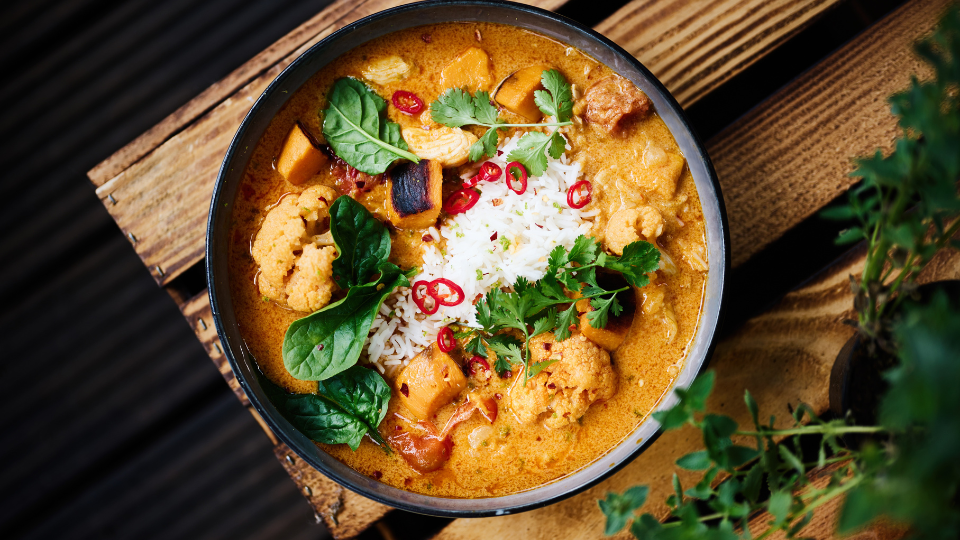
    Indian curry has captured hearts and palates across the globe, becoming more than just a dish—it is a culinary tradition that tells stories of culture, migration, and royalty. From the bustling streets of Delhi to the modern kitchens of Canada, Indian curry has traveled far and wide, weaving itself into global cuisine. Imagine savoring a fragrant bowl of curry, rich in spices like turmeric, cumin, and cardamom, and realizing that each spoonful carries centuries of history. This blog will take you on a flavorful journey into the royal history of Indian curry.

    When people search for Indian curry, they are not just craving a meal; they are seeking a deeper connection to India’s rich food heritage. In this blog, we will explore the origins of curry, its role in royal kitchens, the influence of spices in shaping empires, and how this tradition has evolved globally. By the end, you’ll understand why curry is more than food—it’s a legacy. For those who wish to experience authentic Indian dining today, we invite you to explore our menu and taste the royal flavors at Maharaja Riyasat.


    Things to Know Before Exploring the History of Curry

    Before diving into the royal past of curry, it is essential to understand what makes it so special. Indian curry is not a single recipe but an evolving tradition shaped by geography, culture, and historical events. Knowing the foundations will help you appreciate how deeply it is tied to India’s identity.

    Curry represents a blend of spices known as masalas, which differ by region and occasion. From creamy butter chicken to vegetarian delights like paneer, the base of curry is versatile and adaptive. The journey of curry also involves trade, colonial influences, and migration, making it a dish that belongs to many cultures while remaining proudly Indian.

    The Meaning of Curry

    The term curry itself has an interesting history. Derived from the Tamil word kari, meaning sauce, it was later adapted by the British during colonial India to refer to a variety of spiced dishes. This adaptation made curry a global term but also blurred the diversity of Indian food.

    In India, curry isn’t a single dish but a spectrum of gravies, dry dishes, and stews, each with its distinct identity. Understanding this will help us avoid oversimplifying Indian food, as dishes like Paneer Butter Masala or Shahi Paneer deserve recognition for their unique heritage.

    The Role of Spices in Curry

    Spices are the foundation of every curry. Ingredients like turmeric, cumin, coriander, and cardamom not only add flavor but also carry medicinal value in Ayurveda. Ancient Indian texts often highlighted spices as both culinary and healing treasures.

    Spices were also the reason behind many trade routes and conquests. The spice trade made Indian food legendary worldwide, turning curry into a symbol of wealth and power. Even today, exploring the rich spices of Punjabi food reveals how flavors are carefully layered to create depth in every dish.

    Regional Diversity of Curries

    India’s vast geography ensures a variety of curries, from coconut-based gravies in Kerala to yogurt-rich curries in Punjab. Each region brings its own style, reflecting local culture and ingredients. This regional diversity adds richness to the story of Indian curry.

    For example, while southern curries feature curry leaves, tamarind, and coconut, northern curries lean toward cream, tomatoes, and aromatic garam masalas. This diversity makes exploring Indian food similar to exploring multiple cuisines within one nation.

    Influence of Mughal Royal Kitchens

    One cannot talk about curry without acknowledging the Mughal Empire. The Mughals introduced rich gravies, dry fruits, and Persian influences to Indian cuisine. Curries like Korma and dishes like Biryani owe their refinement to royal kitchens.

    The legacy of Mughlai cuisine lives on in modern-day dishes, often served in royal-style restaurants. When you enjoy an authentic biryani or Shahi Paneer at Maharaja Riyasat, you are tasting history inspired by Mughal dining traditions.

    Curry Beyond India

    As Indians migrated across the world, they carried curry with them. Countries like the UK, Malaysia, and South Africa now have their own versions of curry, shaped by local flavors but inspired by Indian roots.

    Curry houses in Britain became cultural landmarks, while in Canada, restaurants like Maharaja Riyasat continue the tradition by offering guests a royal dining experience. To see how Indian food has adapted abroad, check out our insights on authentic biryani in Canada.


    Ancient Origins of Indian Curry

    The history of curry dates back thousands of years. Archaeological findings from the Indus Valley Civilization suggest that people cooked with turmeric and ginger as early as 2500 BCE. These ancient practices laid the foundation for what we now recognize as curry.

    The Vedic period further expanded this tradition, where food was considered sacred and tied to rituals. Spices were not only flavoring agents but also spiritual and medicinal tools. This combination of taste and purpose gave Indian curry a unique place in global food history.

    Indian mythology also links curry to divine traditions, with offerings of spiced foods made to gods and goddesses. This intertwining of spirituality and cuisine elevated curry beyond sustenance, cementing its role in Indian identity.


    Curry in the Mughal Era

    The Mughal emperors revolutionized Indian food with their Persian-inspired royal kitchens. Curries became richer, featuring almonds, cashews, and cream. Dishes like Rogan Josh and Butter Chicken trace their elegance back to this era.

    The fusion of Persian and Indian flavors created a dining experience fit for royalty. Even today, curries served at restaurants like Maharaja Riyasat draw inspiration from this legacy, bringing heritage to the modern table.

    The Mughals also established food etiquette, with elaborate feasts and royal banquets showcasing curries alongside kebabs and biryanis. This culture of opulence influenced how Indians celebrate food to this day.


    Colonial Influence on Curry

    The British colonial period played a key role in popularizing curry globally. The British adapted Indian dishes to their palate, often simplifying recipes and exporting the concept of curry to Europe and beyond.

    While this led to misconceptions about Indian food, it also spread its popularity. Today, debates like Chicken Tikka Masala vs Butter Chicken reflect how colonial influences shaped curry’s global journey.

    Curry powder, invented by the British, became a household staple in England, but it lacked the complexity of traditional masalas. Yet this invention introduced Indian flavors to global audiences, fueling curiosity about authentic Indian dining.


    Curry in Modern Global Cuisine

    Today, curry has evolved into an international dish with countless variations. Japanese curry, Caribbean curry, and British curry houses all pay homage to Indian roots while showcasing local adaptations.

    For food lovers in Canada, Maharaja Riyasat bridges tradition and modernity by serving authentic curries that honor history while meeting contemporary tastes. Whether you’re craving a vegetarian dish or a meat-based delight, you’ll find something to savor on our reservation page.

    Curry is also a symbol of comfort food worldwide. In places like Britain, it is a weekend favorite, while in Japan, curry rice is a school lunch staple. These adaptations highlight curry’s universal appeal while reminding us of its Indian roots.


    Cultural Symbolism of Curry

    Beyond taste, curry represents community, tradition, and celebration. In Indian households, preparing curry often becomes a family activity, with recipes passed down from grandparents to grandchildren.

    Curry also plays a central role in festivals and weddings, symbolizing abundance and joy. Dishes like paneer curries, biryanis, and daals are not just meals but shared experiences that bring people together.

    This symbolism extends to Indian communities abroad, where curry connects migrants to their roots. Restaurants like Maharaja Riyasat serve as cultural ambassadors, offering flavors that remind people of home while welcoming new diners into India’s food culture.


    Why Choose Maharaja Riyasat for Authentic Indian Curry?

    Choosing Maharaja Riyasat means experiencing the royal essence of Indian dining. Our chefs carefully craft dishes using traditional recipes passed down through generations, ensuring authenticity and excellence in every bite.

    We source premium ingredients, use time-honored cooking techniques, and create an atmosphere that reflects the grandeur of Indian royalty. Whether you are in Mississauga or Vaughan, our locations offer a gateway to Indian culinary heritage. From flavorful curries to aromatic biryanis, every dish is designed to celebrate India’s royal traditions.

    Our culinary expertise also ensures that modern food lovers enjoy dishes that are authentic yet approachable. With vegetarian, vegan, and non-vegetarian options, Maharaja Riyasat has something for everyone seeking the true taste of India.


    Conclusion

    The story of Indian curry is the story of India itself—rich, diverse, and deeply cultural. From ancient civilizations to Mughal courts and colonial kitchens, curry has traveled through time, evolving into a global phenomenon. It is not just food; it is a symbol of heritage, migration, and unity.

    At Maharaja Riyasat, we are proud to carry this legacy forward. By dining with us, you don’t just enjoy a meal—you experience history, tradition, and royalty on a plate. Ready to taste the royal history of Indian curry? Explore our about us page to learn more about our journey, or simply visit us to indulge in authentic flavors that have stood the test of time.

    For readers who want to dive deeper into Indian food culture, explore blogs like Paratha vs Roti or best Indian food delivery for busy nights to keep discovering the diverse universe of Indian cuisine.

  • Paneer Tikka Pairings: Best Drinks and Sides

    Paneer Tikka Pairings: Best Drinks and Sides

    Introduction

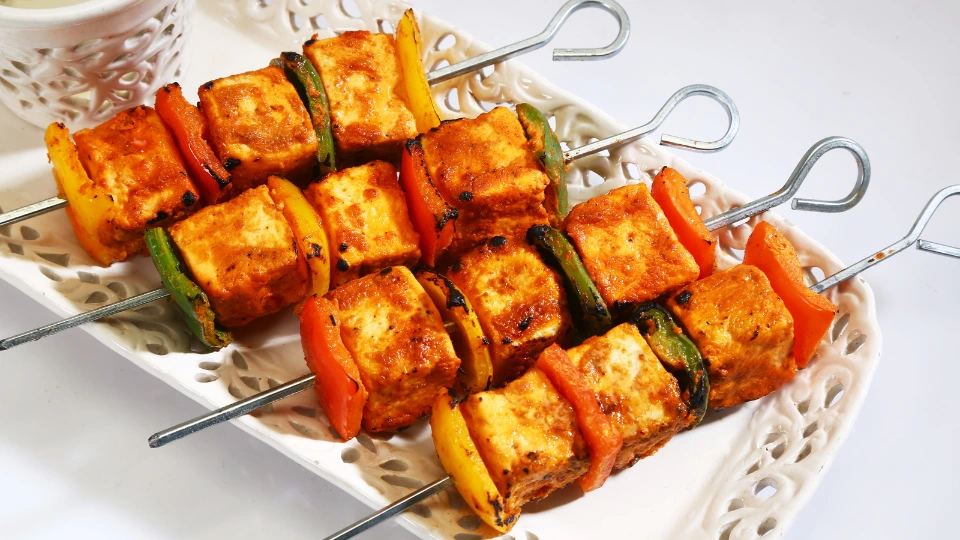
    Paneer tikka is one of the most beloved Indian appetizers, enjoyed for its smoky char, spiced marinade, and melt-in-your-mouth texture. Whether it’s sizzling fresh off the tandoor or served at a festive dinner, paneer tikka never fails to impress. But what truly elevates the experience is pairing it with the right sides and drinks. A thoughtful combination not only complements its bold flavors but also creates a balanced, memorable dining experience.

    If you’ve ever wondered what goes best with paneer tikka, you’re in the right place. In this blog, we’ll explore the best side dishes and beverages that bring out the richness and spice of this classic starter. From refreshing chutneys and breads to lassis and sparkling drinks, we’ll cover it all. And if you’re craving authentic flavors in Mississauga or Vaughan, you can always explore the menu at Maharaja Riyasat and enjoy paneer tikka with perfect pairings crafted by experts.


    Things to Know Before Choosing Pairings for Paneer Tikka

    Pairing paneer tikka with sides and drinks isn’t just about preference—it’s about balance. To make the most of your meal, it’s important to consider flavor contrasts, textures, and the overall dining experience.

    Balancing Smoky Flavors with Refreshing Sides

    Paneer tikka has a charred, smoky flavor that benefits from lighter, refreshing sides. Pairing it with mint chutney, cucumber salad, or lemon wedges adds freshness and contrast. These elements cleanse the palate and make each bite of paneer tikka feel vibrant and satisfying.

    On the other hand, pairing paneer tikka with buttery breads or rice can help mellow its spice. This creates a heartier combination, perfect for those who enjoy a full meal experience with their appetizer. By alternating between something refreshing and something filling, you create harmony in your dining experience.

    Traditional Indian Accompaniments You Can’t Miss

    In Indian dining, paneer tikka is often served with classics like mint chutney, pickled onions, or naan bread. These combinations have stood the test of time because they complement the flavors perfectly. Chutney adds zing, onions add crunch, and naan makes the dish more filling.

    At Maharaja Riyasat, these traditional pairings are presented with finesse, ensuring that every bite feels authentic. To learn more about timeless Punjabi dining customs, check out our blog on Punjabi food culture. By embracing these authentic pairings, you get to enjoy paneer tikka in the way it was meant to be relished.

    Refreshing Drinks to Enhance Spices

    Paneer tikka is mildly spiced, and pairing it with the right beverage enhances the flavors. Drinks like sweet lassi, masala chai, or even a light cocktail can complement its smokiness. Sparkling water with lemon is another great option to cleanse the palate and reset your taste buds between bites.

    For festive occasions, mango lassi is a favorite, offering a cooling contrast that balances the spices. To dive deeper into spice pairings, our blog on exploring Punjabi spices highlights the role drinks can play in completing the flavor profile. Drinks aren’t just accompaniments—they are integral to the dining journey.

    Texture Matters for a Complete Meal

    The creamy bite of paneer tikka benefits from sides that bring crunch or softness. Onion salad, papad, or naan provide that textural balance, making the dish more dynamic. Without these contrasts, paneer tikka can feel repetitive.

    Texture isn’t just about contrast—it’s about experience. A crispy papad alongside soft paneer adds dimension, while fluffy naan lets you enjoy paneer tikka as a fuller, more indulgent meal. Adding textural variety ensures your meal is not just tasty but exciting from the first bite to the last.

    Nutrition and Digestion-Friendly Pairings

    Since paneer tikka is rich in protein, it’s best paired with sides and drinks that aid digestion. Yogurt-based dishes like raita or probiotic drinks like buttermilk balance both taste and health. These pairings ensure that your dining experience is both delicious and comfortable.

    At Maharaja Riyasat, wholesome dining is at the core of the experience. Their carefully curated pairings ensure you enjoy paneer tikka not just for its flavor but also for its balance and satisfaction. A thoughtful mix of indulgence and nutrition makes the meal more enjoyable.


    Best Drinks and Sides to Pair with Paneer Tikka

    Mint Chutney and Onion Salad

    No paneer tikka experience is complete without mint chutney and onion salad. The chutney’s tangy freshness cuts through the smokiness, while the onions add crunch and zest. Together, they balance the dish and keep your palate refreshed.

    This combination is so iconic that it’s considered inseparable from tikka in Indian dining. At Maharaja Riyasat, the chutneys are freshly prepared, ensuring you get the most authentic experience. The onions are pickled to perfection, adding just the right bite to the smoky paneer.

    Butter Naan or Garlic Naan

    Soft, pillowy naan is a fantastic companion to paneer tikka. It transforms the appetizer into a meal, especially when served with dips or curries. Garlic naan, with its aromatic twist, enhances the smoky paneer tikka beautifully.

    Pairing tikka with naan is perfect for anyone who loves hearty combinations. For more insights into bread pairings, check out our blog on paratha vs. roti, which dives into classic Indian flatbreads. When combined with paneer tikka, naan gives you both comfort and indulgence in one bite.

    Jeera Rice or Vegetable Pulao

    For rice lovers, jeera rice and vegetable pulao are wonderful sides. Jeera rice offers subtle earthy flavors from cumin, while pulao adds color and variety with vegetables. Both options make paneer tikka feel more like a wholesome entrée.

    This combination is especially loved during family meals, providing balance, nutrition, and comfort. You can also explore rice-based delicacies in our blog about authentic biryani in Canada. When paneer tikka meets rice, it transforms into a meal that’s fit for celebrations as well as everyday dining.

    Mango Lassi: Sweet and Cooling

    Mango lassi is a natural companion to paneer tikka. Its creamy sweetness balances the spices and adds a tropical freshness to your meal. It’s perfect for hot summer days or festive dinners.

    Apart from taste, lassi also helps with digestion, making it a practical and delicious choice. To explore more about drinks that elevate Indian dining, don’t miss our blog on Indian food near you. This combination is so popular that many guests consider it a must-have alongside tikka.

    Masala Chai: A Spiced Comfort

    For tea lovers, masala chai pairs surprisingly well with paneer tikka. The warmth of spices like cardamom, ginger, and cloves enhances the smoky flavor of paneer, making it a cozy pairing.

    This combination is especially delightful during winter evenings or as part of a relaxed gathering. It’s a reminder that traditional drinks can elevate even the most modern dining experiences. A hot cup of chai paired with smoky tikka is a match made in heaven.

    Sparkling Water or Light Cocktails

    Sometimes, the best pairing is something light and simple. Sparkling water with a hint of lemon or a light cocktail balances the richness of paneer tikka without adding heaviness. These drinks keep the meal refreshing and versatile.

    For celebratory occasions, light cocktails can add elegance while still letting the paneer tikka shine as the star of the table. When you want your meal to feel festive without overshadowing the food, this is the way to go.

    Papad and Pickles for Crunch

    Adding papad to your paneer tikka spread brings a delightful crunch. Whether roasted or fried, papad is a versatile side that elevates the meal’s texture. Pickles, with their tangy and spicy flavors, enhance the boldness of paneer tikka.

    Together, papad and pickles create an extra layer of flavor and excitement. This is a side pairing that’s quick, easy, and deeply traditional—perfect for casual meals or festive spreads.

    Raita: A Cooling Companion

    Raita, made with yogurt, cucumber, and mild spices, is a classic side that balances the warmth of paneer tikka. Its cooling nature soothes the palate while enhancing the overall taste.

    There are many variations of raita, from boondi to mint, each adding its unique charm. With paneer tikka, raita becomes not just a side but an essential element for balance and comfort.


    Why Choose Maharaja Riyasat for Authentic Indian Dining?

    Maharaja Riyasat is more than just a restaurant—it’s a celebration of authentic Indian flavors. Their paneer tikka is marinated and grilled to perfection, ensuring that every bite captures the smoky, spiced essence of traditional tandoor cooking. Paired with freshly prepared sides and beverages, the experience feels both royal and comforting.

    What sets Maharaja Riyasat apart is their dedication to quality and authenticity. From appetizers to desserts, every dish is carefully crafted to honor Indian culinary traditions. Whether you’re dining in or making a reservation, you’re guaranteed a royal dining experience. With branches in Mississauga and Vaughan, the restaurant brings the grandeur of Indian dining closer to you.


    Conclusion

    Paneer tikka is a versatile dish that becomes extraordinary when paired with the right sides and drinks. From chutneys and naan to refreshing lassis and teas, each pairing enhances the smoky richness of paneer tikka, creating a complete and satisfying meal. Adding papad, pickles, or raita ensures you have the variety and balance needed for a memorable experience.

    By focusing on balance, tradition, and creativity, you can enjoy paneer tikka in endless delicious ways. And if you’re looking for the ultimate paneer tikka experience, Maharaja Riyasat is the place to be. Their curated menu ensures that you enjoy authentic pairings that feel both indulgent and wholesome.


    Summary

    Paneer tikka is a classic Indian appetizer that shines brightest when paired with the right accompaniments. Mint chutney and onion salad add freshness, naan and rice provide heartiness, while drinks like mango lassi and masala chai balance the spices beautifully. Even simple sparkling water works wonders in enhancing the dish. With additions like raita, papad, and pickles, the combinations are endless.

    At Maharaja Riyasat, paneer tikka is crafted with authenticity and served with sides that complete the experience. To explore similar flavor journeys, check out our blogs on paneer butter masala vs. shahi paneer and why we serve the best Punjabi dishes in Vaughan. Choosing Maharaja Riyasat means choosing balance, flavor, and tradition in every bite.

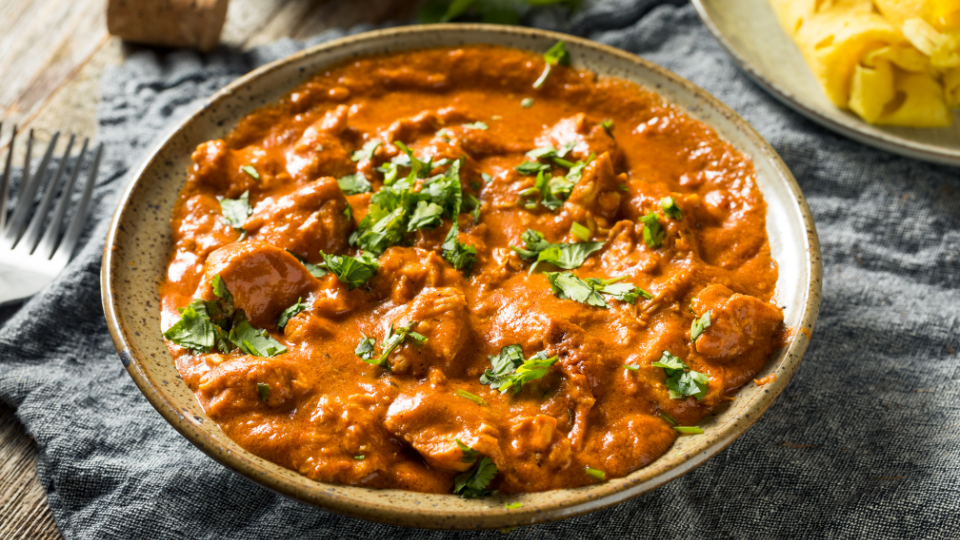
  • Authentic Chicken Tikka Masala in Canada

    Authentic Chicken Tikka Masala in Canada

    Introduction

    Chicken Tikka Masala is one of those dishes that instantly brings comfort to the dining table. Its rich, creamy gravy infused with aromatic spices complements tender marinated chicken pieces, making it a favorite for food lovers worldwide. For many Canadians, the craving for authentic Indian cuisine leads them to explore restaurants offering the real flavors of India. If you have ever wondered where to enjoy authentic Chicken Tikka Masala in Canada, this guide will help you uncover the details before indulging in this classic dish.

    In this blog, we’ll explore the journey of Chicken Tikka Masala, what makes it authentic, and how Canadians can find the best version right here. We’ll cover ingredients, cooking styles, dining tips, and the best places serving this delicacy. Whether you are an Indian food enthusiast or someone new to the cuisine, by the end you’ll know exactly where to experience the most authentic Chicken Tikka Masala in Canada. Explore our full menu here and discover dishes that satisfy your cravings.


    Things to Know Before Ordering Chicken Tikka Masala in Canada

    Before you order your favorite dish, it’s essential to know what makes Chicken Tikka Masala authentic. Many restaurants claim to serve the real deal, but authenticity lies in ingredients, preparation, and the balance of spices. In Canada, where Indian cuisine is loved by people from many backgrounds, ensuring you get a traditional version is key to enjoying the best flavors.

    If you are curious about how Indian curries differ, you may enjoy our guide on Chicken Tikka Masala vs Butter Chicken. It breaks down the similarities and differences between two of India’s most loved dishes.


    The Role of Spices in Chicken Tikka Masala

    Spices are the heart of Indian cuisine, and Chicken Tikka Masala is no exception. Authentic recipes use cumin, coriander, turmeric, garam masala, and chili powder to create rich flavor. These spices are often roasted and ground fresh, ensuring depth and complexity. Without them, the dish risks tasting flat and lacking the signature warmth food lovers expect.

    For more on spice culture in Indian food, visit our blog on Exploring the Rich Spices of Punjabi Food. It reveals how spices shape the flavor profile of Indian dishes.

    Spices also tell regional stories. Punjabi kitchens use more ghee and garam masala, while South Indian versions may add curry leaves or coconut cream. Canadian restaurants that honor these traditions create dishes that feel authentic and memorable, while still catering to local preferences.


    Why Marination Matters in Chicken Tikka Masala

    Marination gives Chicken Tikka Masala its tender, flavorful chicken pieces. Traditionally, chicken is marinated overnight in yogurt mixed with garlic, ginger, and spices. This process not only tenderizes the meat but also infuses it with flavors that balance perfectly with the creamy sauce.

    If you enjoy creamy dishes, check our blog on Paneer Butter Masala. It explores another North Indian favorite that uses marination and cream-based gravies.

    The marination process reflects patience and tradition. Many quick-service restaurants skip this step. Authentic Indian dining spots in Canada take the time to marinate properly. This ensures the chicken does not just taste like it was cooked in the sauce but carries its own spice-infused depth.


    Tomato and Cream: The Base of Authentic Sauce

    The creamy, tangy sauce of Chicken Tikka Masala is a defining feature. Authentic recipes use fresh tomatoes or purée, slow-cooked with butter, cream, and spices. This balance of tangy and rich flavors makes the dish irresistible.

    For another tomato-based dish, check our blog on Paneer Butter Masala vs Shahi Paneer. It shows how similar ingredients can create completely different results.

    In Canada, some restaurants take shortcuts with canned sauces or heavy cream. While convenient, these often miss the depth of slow-cooked tomato gravies. Authentic sauce requires patience. When it has been given time to develop, it feels smooth, layered, and comforting.


    How Canadian Restaurants Adapt Chicken Tikka Masala

    Authenticity matters, but adaptation also plays a role in making Chicken Tikka Masala accessible in Canada. Many restaurants adjust spice levels to suit local tastes, offering mild, medium, or hot options. This ensures even newcomers to Indian food can enjoy the dish without feeling overwhelmed.

    For insights into how Indian cuisine adapts globally, read our blog on Punjabi Food Culture. It explains how traditional dishes evolve while keeping their roots intact.

    Canadian chefs also innovate with locally sourced ingredients. Some prepare Chicken Tikka Masala with Ontario-raised chicken or pair it with Canadian wines. These adaptations don’t take away authenticity but celebrate a unique fusion.


    Pairings That Elevate Chicken Tikka Masala

    No dish is complete without the right pairing. Chicken Tikka Masala pairs well with garlic naan, jeera rice, or tandoori roti. Each side enhances the sauce’s rich flavor. The smoky char of naan or the earthy flavor of rice elevates the dining experience.

    If you are ready to try these pairings, make a reservation at Maharaja Riyasat and enjoy the authentic experience in a royal dining setting.

    Pairings also depend on occasion. A casual dinner may call for naan and rice, while a festive meal could include biryani or stuffed parathas. Our blog on Paratha vs Roti explains how Indian breads differ and which ones make the best companions for gravies.


    Tips for Enjoying Chicken Tikka Masala the Authentic Way

    Eat It Fresh and Hot

    Chicken Tikka Masala is best enjoyed fresh and hot. The flavors intensify when served directly from the pan. Reheated leftovers rarely match the authentic experience. That is why many food lovers prefer dining in at Maharaja Riyasat instead of relying on takeout.

    Pair It with the Right Drink

    Beverages matter. While water or soda is common, a lassi, chai, or wine can elevate the meal. Mango lassi balances spice, while masala chai complements warmth. If you are curious about pairings, our blog on Authentic Biryani in Canada shares insights into pairing Indian dishes with drinks.


    Regional Variations of Chicken Tikka Masala

    Chicken Tikka Masala may be famous worldwide, but it is not identical everywhere. In India, the recipe changes based on geography. Northern recipes lean on ghee, garam masala, and cream. Southern kitchens sometimes use coconut milk or curry leaves, giving the dish a tropical twist.

    In Canada, some restaurants also add local touches. You might find versions that use maple-infused cream or locally grown vegetables for added texture. These variations are interesting, but the soul of the dish remains the same: tender marinated chicken in a rich, flavorful sauce.

    Understanding these variations makes it easier to identify authentic preparations. Authenticity does not mean every version tastes the same. It means the dish respects tradition while adapting with creativity.


    Best Places to Find Authentic Chicken Tikka Masala in Canada

    Not all restaurants are equal when serving Chicken Tikka Masala. Some focus on quick service, while others commit to bringing authentic Indian flavors to Canadian tables. Authentic restaurants emphasize slow cooking, balanced spices, and fresh ingredients.

    One such place is Maharaja Riyasat. Here, Chicken Tikka Masala is prepared using time-honored recipes and authentic spices. The restaurant brings a royal Indian dining experience to Canada, ensuring every dish carries the essence of Indian cuisine.

    Dining here is about more than food. From regal interiors to attentive service, Maharaja Riyasat creates an atmosphere where every visit feels special. For Indian food lovers, it’s not just a meal but a cultural journey worth repeating.


    Why Choose Maharaja Riyasat for Authentic Indian Cuisine?

    Maharaja Riyasat stands out as a premier spot for authentic Indian dining in Canada. The restaurant ensures dishes like Chicken Tikka Masala are prepared using original recipes and fresh ingredients. Skilled chefs bring expertise and passion, capturing India’s rich culinary heritage.

    Beyond food, Maharaja Riyasat offers ambiance that enhances every meal. Whether you dine in or order online, you can expect quality and consistency. For anyone searching for authentic Chicken Tikka Masala in Canada, Maharaja Riyasat is the perfect choice. Visit our about page to learn more about our story and what sets us apart.


    Conclusion

    Chicken Tikka Masala has traveled worldwide, but its essence remains rooted in tradition. In Canada, where diverse cuisines thrive, finding authentic Chicken Tikka Masala means looking for the right balance of spices, marination, and care in preparation. Restaurants like Maharaja Riyasat ensure Canadians don’t just taste Indian food but experience it in its truest form.

    For many, Chicken Tikka Masala is more than food. It’s a cultural bridge, a way to savor India’s richness in the heart of Canada. With the right restaurant and thoughtful pairings, an ordinary dinner becomes a royal dining experience.

    If you are ready to indulge in authentic Chicken Tikka Masala, make Maharaja Riyasat your go-to destination. Contact us today and enjoy a meal that brings India’s culinary richness to your table.

  • Desi Tadka Street Food That Wins Every Foodie’s Heart

    Desi Tadka Street Food That Wins Every Foodie’s Heart

    Street food is more than just a quick bite—it’s a cultural experience, a flavorful journey that brings people together. From the sizzling pans of India’s bustling bazaars to the cozy corners of Canada’s food streets, desi tadka has a special way of transforming ordinary ingredients into extraordinary flavors. For food lovers, the spice-infused aromas and bold flavors are not just meals—they’re memories in the making. When you hear the phrase desi tadka, you know something rich, spicy, and satisfying is about to delight your taste buds.

    In this blog, we’ll explore how desi tadka street food has become a beloved choice among foodies worldwide, especially in Canada, where Maharaja Riyasat brings the best of authentic Indian street flavors. We’ll dive into the essentials of street food culture, must-try dishes, and why desi tadka holds such a special place in the culinary world. By the end, you’ll know exactly why Maharaja Riyasat is your go-to destination for authentic Indian food that carries the magic of India’s streets straight to your plate.


    Things to Know Before Enjoying Desi Tadka Street Food

    Street food is not just about grabbing something quick—it’s about flavor, culture, and connection. Before diving into your next desi tadka feast, here are a few important things you should know.

    Fresh Ingredients Are the Secret

    Freshness is the soul of street food. Vendors carefully select seasonal vegetables, herbs, and spices to make sure every bite bursts with flavor. Freshly chopped onions, coriander, and chilies don’t just add taste—they elevate the authenticity of the dish. For food lovers in Canada, Maharaja Riyasat ensures that this freshness is never compromised. By combining authentic Indian spices with locally sourced produce, the restaurant creates dishes that taste just like they would in the heart of India.

    Another important factor is the use of freshly ground masalas. Unlike pre-packaged spice blends, hand-ground masalas release natural oils that intensify flavors. This is why every plate of desi tadka food feels richer and more satisfying. Maharaja Riyasat follows this very principle to ensure every serving reflects true Indian tradition.

    The Role of Spices in Every Bite

    Spices are the backbone of desi tadka. From cumin and coriander to cardamom and chili, every spice plays a part in balancing heat, aroma, and taste. It’s not just about making food spicy—it’s about creating a harmonious blend that excites your palate. For example, a tangy pani puri gets its magic from black salt and cumin, while pav bhaji owes its depth of flavor to a special masala blend.

    Maharaja Riyasat takes this art seriously. Their chefs use traditional spice combinations passed down for generations, ensuring authenticity in every dish. The right amount of tadka—tempering with hot oil and spices—is what transforms a simple snack into something unforgettable. Without this crucial step, Indian street food just wouldn’t be the same.

    Street Food Is About Community

    One of the most beautiful aspects of street food is the sense of community it creates. Whether in India or Canada, people gather around food stalls not just to eat, but to share stories, laughter, and culture. Street food brings together people from all walks of life over plates of chaat, pakoras, and kebabs. That sense of unity makes every dish taste even better.

    At Maharaja Riyasat, this community spirit is recreated in every meal. Families, friends, and coworkers gather to enjoy authentic street-style food that sparks conversation and connection. It’s not just about what’s on the plate—it’s about the atmosphere that surrounds it.

    Hygiene and Authenticity Matter

    While street food is known for its bold flavors, hygiene is equally important. Many food lovers worry about cleanliness when enjoying street eats, but restaurants like Maharaja Riyasat ensure that the authentic flavors come with the highest standards of hygiene. This way, you can enjoy pani puri, pav bhaji, and chaat without compromise.

    By blending traditional recipes with modern safety practices, Maharaja Riyasat guarantees that every bite carries both authenticity and peace of mind. It’s the best of both worlds—street-style flavors with restaurant-level care.

    Fusion with Local Flavors

    One of the exciting aspects of desi tadka in Canada is its fusion with local ingredients. Classic recipes are sometimes reimagined with a Canadian twist, like adding maple syrup to a chaat or using locally baked bread for pav bhaji. These creative touches bring fresh excitement to beloved dishes without losing their authentic roots.

    Maharaja Riyasat strikes the perfect balance by respecting tradition while embracing innovation. Their menu celebrates both authenticity and creativity, making it appealing to both Indian food lovers and those exploring it for the first time.


    Top Desi Tadka Street Foods You Must Try

    Every foodie has their favorites, but some dishes stand out as timeless classics. Let’s explore some of the most iconic desi tadka street foods that have won hearts across the globe.

    Pani Puri – The King of Street Food

    Crispy puris filled with tangy, spicy water and a mix of chickpeas and potatoes—pani puri is the ultimate street food experience. The burst of flavors with each bite keeps people coming back for more. At Maharaja Riyasat, the pani puri is served fresh with a choice of flavorful waters to match your spice preference.

    Beyond the taste, pani puri is also an experience. The way it’s eaten—one puri at a time, quickly popped into your mouth—makes it fun and interactive. This playful nature is part of what makes pani puri irresistible for foodies. Sharing a pani puri platter with friends or family adds joy to the dining experience, making it both social and satisfying.

    Pav Bhaji – A Flavor-Packed Meal

    Pav bhaji is more than a snack—it’s a hearty meal. A spiced vegetable mash served with buttered buns, this dish combines comfort and flavor like no other. Maharaja Riyasat’s pav bhaji is made with authentic masalas that capture the true essence of Mumbai street food.

    The soft pav, toasted with butter, pairs perfectly with the spicy bhaji, creating a combination that satisfies cravings instantly. For Canadians exploring Indian food, pav bhaji is often the dish that makes them fall in love with desi tadka. The aroma of butter sizzling on the pan and the vibrant colors of the bhaji make it as appealing visually as it is in taste.

    Chaat – A Symphony of Flavors

    From bhel puri to dahi puri, chaat is a diverse category of street food that delivers a perfect balance of sweet, spicy, and tangy flavors. Topped with chutneys, yogurt, and crunchy sev, chaat is a snack that’s as vibrant as India’s streets.

    At Maharaja Riyasat, chaat is prepared with fresh ingredients and authentic spices, offering customers the full Indian street experience. Each bite is an explosion of textures and flavors, making it a must-try for every foodie. It’s not just food—it’s a colorful celebration in a bowl, reflecting the joy and vibrancy of Indian culture.

    Samosas – The Timeless Favorite

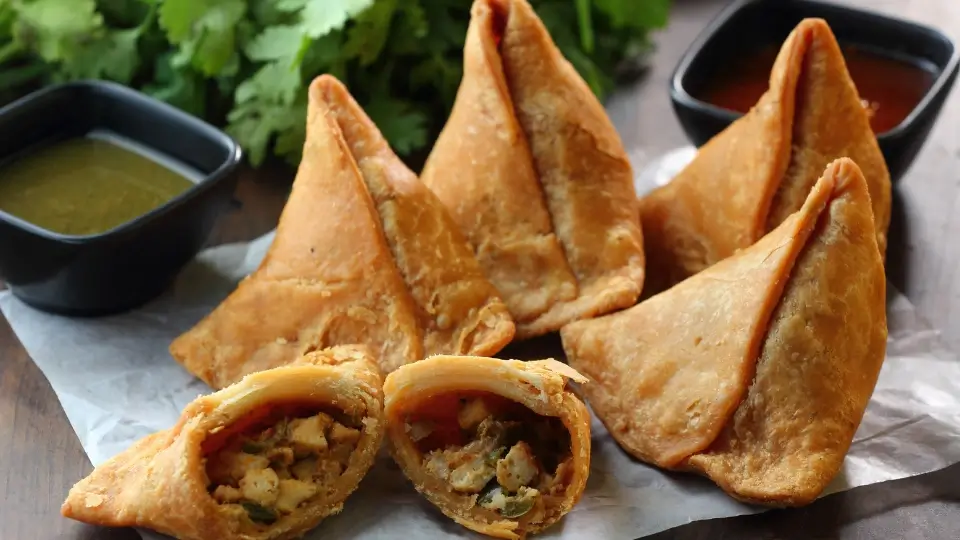
    No list of desi tadka street food is complete without samosas. Crispy on the outside and filled with spiced potatoes, peas, or meat, samosas are the ultimate comfort snack. Paired with tangy tamarind chutney, they’re a crowd favorite.

    At Maharaja Riyasat, samosas are crafted with perfection, offering the same golden crispiness and flavorful filling you’d expect from the best street stalls in India. They’re perfect as starters, snacks, or even alongside a cup of chai. Their versatility is part of their charm—they can be enjoyed on-the-go or savored in a sit-down meal.

    Kebabs – Smoky and Succulent

    Juicy, marinated kebabs grilled to perfection are another highlight of Indian street food. Whether it’s seekh kebabs, chicken tikka, or paneer tikka, the smoky aroma and bold flavors are irresistible.

    Maharaja Riyasat specializes in serving authentic kebabs that carry the true taste of traditional tandoors. With the right blend of spices and marinades, these kebabs are a treat for meat lovers and vegetarians alike. Each skewer tells a story of tradition and technique, bringing to life the essence of India’s iconic street grills.


    Why Choose Maharaja Riyasat for Authentic Desi Tadka

    When it comes to enjoying authentic desi tadka street food in Canada, Maharaja Riyasat stands out as the ultimate destination. Their commitment to authenticity, freshness, and flavor ensures that every dish reflects the spirit of Indian street food. By blending traditional cooking techniques with a modern dining experience, they offer foodies a chance to relive the magic of India’s streets right here in Canada.

    The restaurant’s diverse menu covers everything from chaat and pani puri to kebabs and pav bhaji, catering to both seasoned foodies and first-timers. With top-notch hygiene standards, locally sourced ingredients, and authentic spices, Maharaja Riyasat delivers an experience that is as safe as it is delicious. Most importantly, their chefs are passionate about recreating the nostalgic flavors of India, ensuring every bite feels like home.

    Beyond food, Maharaja Riyasat also offers an inviting ambiance where families and friends can gather to celebrate life over meals. Their focus on customer experience, along with a deep respect for culinary tradition, makes them more than just a restaurant—they are a cultural bridge connecting India’s vibrant food heritage with Canada’s diverse dining scene.


    Conclusion

    Street food has a charm that goes beyond taste—it’s about culture, connection, and celebration. With desi tadka, every dish tells a story of tradition, spice, and joy. Whether you’re savoring crispy pani puri, indulgent pav bhaji, or smoky kebabs, these flavors capture the heart of India and share it with the world.

    For Canadians craving authentic Indian food, Maharaja Riyasat brings the best of desi tadka straight to your table. Their dedication to freshness, authenticity, and flavor makes them the go-to destination for foodies looking for more than just a meal. It’s an experience of India’s streets, crafted with love and served with pride. Next time your taste buds call for bold flavors, remember—Maharaja Riyasat is where desi tadka truly wins every foodie’s heart.

    From fresh ingredients to time-honored recipes, every dish at Maharaja Riyasat reflects a passion for preserving tradition while embracing modern tastes. This is what makes them a trusted name for foodies seeking authentic Indian street food in Canada. When you dine here, you don’t just eat—you embark on a flavorful journey that connects two cultures and satisfies your heart as much as your appetite.

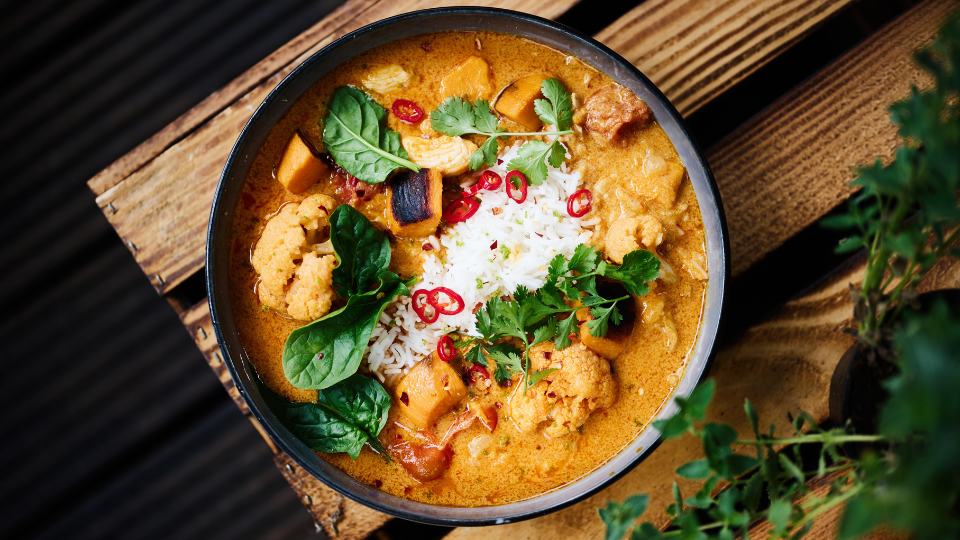
  • Vegetarian Indian Curry Dishes Loved Worldwide

    Vegetarian Indian Curry Dishes Loved Worldwide

    Introduction

    Indian curry has become a household favorite across continents, and vegetarian versions of this iconic dish hold a special place in culinary culture. Picture yourself sitting in a bustling restaurant, where aromatic spices fill the air, and each bite takes you on a flavorful journey through India’s diverse food heritage. Vegetarian Indian curry has earned love worldwide because it caters to both flavor seekers and those choosing plant-based dining. With its richness, variety, and healthful benefits, this dish stands out as more than just food—it is a global culinary experience.

    In this blog, we will take you through the fascinating world of vegetarian Indian curry dishes that have captured hearts around the globe. From the creamy Paneer Butter Masala to the wholesome Chana Masala, each curry has its own unique charm. You’ll also learn about the history, the role of spices, and why these dishes are celebrated internationally. By the end, you’ll know why Maharaja Riyasat is your go-to destination for authentic, flavorful, and unforgettable vegetarian Indian curry dishes. Explore our menu today and savor tradition brought to your table.


    Things to Know About Vegetarian Indian Curry Dishes

    Before diving into the world of specific vegetarian curries, it’s essential to understand what makes these dishes so special. Indian curry isn’t just one recipe—it’s an umbrella term for a variety of gravies, each rooted in tradition, flavor, and regional influence. Understanding the background helps in appreciating the depth and diversity that vegetarian Indian curry offers to food lovers worldwide.

    These dishes are built around layers of flavor, beginning with tempering spices in hot oil and extending to the addition of vegetables, legumes, or paneer. The base often includes onions, tomatoes, garlic, and ginger, which combine with regional spices to create distinctive profiles. Let’s look at the fundamental aspects that make vegetarian Indian curry universally loved.

    Origins of Indian Curry in Vegetarian Cuisine

    The origins of Indian curry can be traced back thousands of years, evolving alongside the rich agricultural traditions of India. Vegetarianism has long been rooted in Indian culture, influenced by spiritual practices such as Jainism, Hinduism, and Buddhism. These communities emphasized plant-based diets, which led to the development of a vast repertoire of vegetarian curries. Over time, these recipes traveled beyond India, carried by migration, trade, and cultural exchange.

    Today, vegetarian Indian curry symbolizes not only India’s culinary heritage but also the adaptability of its cuisine. As Indian communities settled abroad, they introduced curries to new audiences. What started as traditional recipes became global favorites, adjusted slightly to match local tastes while maintaining authentic flavors. The popularity of vegetarian curry now transcends cultural borders, appealing to both vegetarians and meat-lovers alike.

    The Role of Spices in Indian Curry Flavors

    One of the defining features of Indian curry is its reliance on a wide array of spices. Turmeric, cumin, coriander, cardamom, cinnamon, and garam masala are just a few of the essentials that create the signature flavors of vegetarian curries. These spices are not only about taste but also about aroma and health benefits. For instance, turmeric is celebrated for its anti-inflammatory properties, while cumin aids digestion.

    The art of blending spices is what makes Indian curry exceptional. Each dish requires a careful balance—adding too much of one spice can overpower the entire curry, while the right mix brings harmony. This skill is passed down through generations and perfected over time. When you taste a well-prepared curry, you experience the perfect synergy of spices working together, creating a dish that is both comforting and exciting.

    Regional Variations in Vegetarian Indian Curry

    India is a land of diversity, and this is reflected in its food. Vegetarian curries vary dramatically from one region to another. In the north, curries often feature dairy, such as cream or paneer, resulting in rich and hearty flavors. In the south, coconut milk and tamarind are common, adding tangy and tropical notes. Each region uses local produce and spices, making their curries unique.

    For example, while Palak Paneer is popular in North India, South India might favor a dish like Vegetable Korma enriched with coconut. The east leans toward mustard-flavored gravies, while the west highlights spicier variations. This regional diversity ensures that no matter your palate, there’s a vegetarian curry that suits your taste. It is this variety that has helped curry achieve worldwide appeal.

    Nutritional Value of Vegetarian Indian Curry

    Vegetarian Indian curries are not only delicious but also highly nutritious. They often feature lentils, beans, and a wide range of vegetables, all of which provide essential vitamins, minerals, and proteins. Dishes like Chana Masala are rich in plant-based protein, while Palak Paneer combines calcium from paneer with iron from spinach. Curries also contain fiber, which promotes better digestion and overall health.

    The use of spices further enhances the nutritional value. Ginger aids immunity, garlic promotes heart health, and fenugreek helps regulate blood sugar levels. When combined with fresh vegetables and legumes, curries become balanced meals that nourish both body and soul. This is one of the reasons why health-conscious diners worldwide turn to vegetarian Indian curry as a flavorful yet wholesome option.

    Cultural Significance of Indian Curry Dishes

    Curry is more than just a dish—it’s a cultural symbol. In India, curries are at the heart of family meals, festivals, and celebrations. They represent hospitality, tradition, and community. Sharing a curry is a way of bonding, as recipes are often passed down from generation to generation, carrying with them stories and memories. For many families, preparing curry is not just cooking but honoring heritage.

    Globally, curry has become a representation of Indian identity. From London’s curry houses to Canada’s fine dining restaurants like Maharaja Riyasat, these dishes serve as cultural ambassadors. They allow people to connect with Indian traditions while enjoying food that is universally appealing. Vegetarian Indian curry, in particular, has helped position Indian cuisine as a leader in the plant-based food movement.


    Top Vegetarian Indian Curry Dishes Loved Globally

    Around the world, several vegetarian curries stand out for their popularity and unique flavor profiles. Each dish offers something distinct, whether it’s creaminess, spice, or texture. Below, we explore some of the most loved vegetarian Indian curry dishes that continue to win hearts globally.

    Paneer Butter Masala – A Creamy Delight

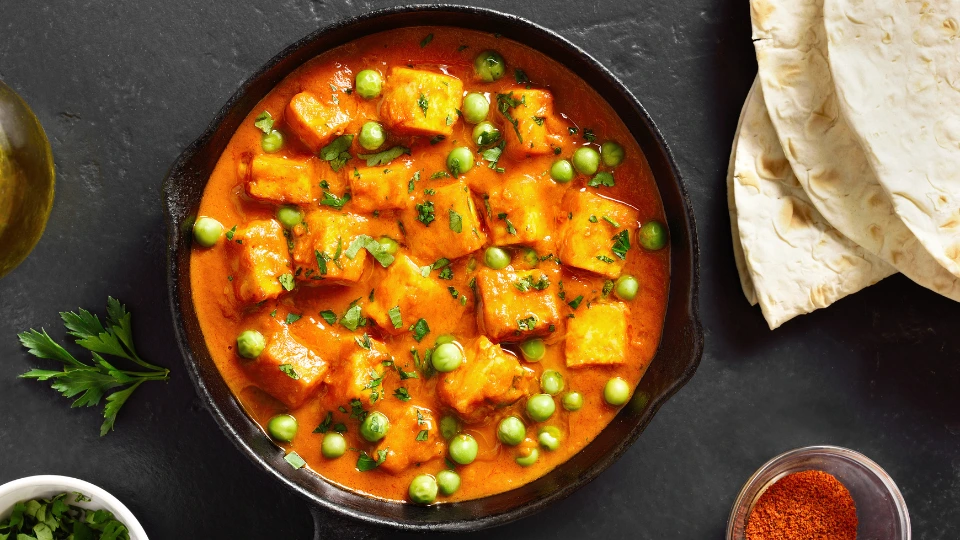
    Paneer Butter Masala is one of the most beloved vegetarian Indian curries, known for its rich, buttery tomato-based gravy and soft cubes of paneer. The dish strikes the perfect balance between creamy and tangy, making it a crowd favorite. It is often enjoyed with naan or basmati rice, and its mild spice level makes it accessible to international audiences.

    This dish has achieved worldwide fame because it brings together comforting textures and flavors that appeal to all palates. Paneer Butter Masala is also versatile, fitting equally well in a fine-dining setup or a casual meal. Its popularity ensures that it appears on nearly every Indian restaurant menu, making it a must-try for curry lovers.

    Chana Masala – The Protein-Rich Curry

    Chana Masala, also known as Chickpea Curry, is celebrated for being both nutritious and flavorful. Chickpeas are simmered in a tomato-based gravy infused with spices such as cumin, coriander, and garam masala. The result is a curry that is hearty, filling, and rich in plant-based protein.

    This dish is particularly popular among health-conscious diners, as it provides essential nutrients without being heavy. Chana Masala pairs beautifully with rice or flatbreads, making it a versatile choice. Its global appeal lies in its simplicity and wholesome ingredients, which make it both satisfying and nourishing.

    Baingan Bharta – Smoked Eggplant Curry

    Baingan Bharta is a smoky, flavorful curry made from roasted and mashed eggplants cooked with onions, tomatoes, and spices. The smokiness from the charred eggplants gives the dish its distinctive taste, making it a standout among vegetarian curries. It is especially popular in North India but has also gained recognition internationally.

    Food lovers who enjoy bold, earthy flavors often gravitate toward Baingan Bharta. The dish is typically served with roti or naan, making it a wholesome and comforting meal. Its uniqueness lies in the depth of flavor achieved through the smoking process, which makes it unforgettable for anyone who tries it.

    Palak Paneer – Spinach and Cottage Cheese Curry

    Palak Paneer is another globally loved curry that combines nutrition with indulgence. Fresh spinach is pureed into a vibrant green gravy and cooked with cubes of paneer. The curry is lightly spiced, allowing the natural flavors of spinach and paneer to shine. Rich in calcium, iron, and protein, Palak Paneer is both delicious and healthy.

    This dish has won hearts worldwide because it showcases how vegetables can be transformed into something extraordinary. The vibrant color and smooth texture make it visually appealing, while its balanced flavor profile makes it suitable for diners of all ages. Palak Paneer is often recommended as a must-try dish for those exploring Indian cuisine.

    Aloo Gobi – Potato and Cauliflower Curry

    Aloo Gobi is a classic vegetarian curry made with potatoes and cauliflower, seasoned with turmeric, cumin, and coriander. This dry-style curry is known for its simplicity and comfort, making it a staple in Indian households. Despite its straightforward preparation, the dish is bursting with flavor and nutritional value.

    The universal appeal of Aloo Gobi lies in its accessibility. It uses common vegetables and pantry spices, making it easy to prepare while still tasting exotic. This curry has found a place in global kitchens, particularly for those who enjoy home-style Indian cooking. Aloo Gobi proves that even humble ingredients can create extraordinary dishes.

    Dal Tadka – Yellow Lentil Curry

    Dal Tadka is a popular lentil curry that features yellow lentils cooked until soft and flavored with a tempering of ghee, garlic, cumin, and chilies. The “tadka” or tempering gives the dish its signature aroma and taste. Served with rice, Dal Tadka is considered comfort food across India and abroad.

    This dish has gained global recognition because it is both nourishing and flavorful. Lentils provide protein, fiber, and essential nutrients, making Dal Tadka a wholesome choice for vegetarians. Its soothing flavor makes it a favorite among people looking for comfort food that is also healthy.

    Malai Kofta – Rich and Flavorful Curry

    Malai Kofta is a decadent curry featuring soft vegetable or paneer dumplings simmered in a rich, creamy gravy made from cashews, cream, and tomatoes. It is often reserved for special occasions due to its richness, but its popularity extends worldwide. Malai Kofta represents indulgence at its finest.

    The dish’s appeal lies in its luxurious texture and balanced flavors. It offers a melt-in-the-mouth experience that is difficult to forget. Internationally, Malai Kofta is often chosen as a showstopper dish at Indian restaurants, making it an essential part of the global curry repertoire.

    Vegetable Korma – Mixed Veggie Curry in Cashew Sauce

    Vegetable Korma is a mildly spiced curry featuring an assortment of vegetables cooked in a creamy cashew and yogurt-based sauce. The dish is aromatic, nutty, and slightly sweet, appealing to those who prefer milder flavors. Korma is a staple in Mughlai cuisine and has been embraced worldwide.

    Its global popularity can be attributed to its balance of rich flavors without overwhelming spiciness. Vegetable Korma is often paired with naan or pulao, creating a complete and satisfying meal. For diners new to Indian cuisine, it serves as a gentle yet flavorful introduction to the world of curries.

    Rajma Masala – Red Kidney Bean Curry

    Rajma Masala is a beloved comfort food made with red kidney beans cooked in a spiced tomato-onion gravy. It is particularly popular in North India, where it is traditionally served with rice. The dish is hearty, filling, and rich in plant-based protein and fiber.

    Rajma’s appeal has spread globally, especially among those who enjoy bean-based dishes. Its warming, robust flavors make it ideal for colder climates, further cementing its international popularity. Rajma Masala exemplifies how Indian cuisine can turn simple ingredients into deeply satisfying meals.

    Kadhi Pakora – Yogurt-Based Curry

    Kadhi Pakora is a unique vegetarian curry made with a yogurt and gram flour base, spiced with turmeric and tempered with curry leaves and mustard seeds. Deep-fried pakoras (fritters) are added to the curry, creating a comforting and tangy dish. Kadhi is especially popular in North and West India but is now enjoyed globally.

    The dish stands out for its balance of tanginess and warmth. Kadhi Pakora is often considered soul food, making it a favorite among those looking for homestyle comfort. Its global recognition stems from its uniqueness, as yogurt-based curries are less common but highly appreciated for their refreshing flavors.


    Why Choose Maharaja Riyasat for Authentic Indian Curry

    When it comes to enjoying authentic vegetarian Indian curry in Canada, Maharaja Riyasat stands out as a premier destination. The restaurant combines traditional recipes with fine dining excellence, ensuring that every dish is prepared with care and authenticity. From classic curries like Paneer Butter Masala to unique offerings like Baingan Bharta, each recipe reflects India’s culinary heritage while meeting modern standards of quality.

    Maharaja Riyasat is not just about food; it’s about an experience. Guests are welcomed into a regal atmosphere where every detail, from service to presentation, is designed to transport you to the royal courts of India. For those seeking vegetarian Indian curry that is both authentic and unforgettable, Maharaja Riyasat offers a dining experience that is second to none. Explore our menu and discover how tradition meets innovation on your plate.


    Conclusion

    Vegetarian Indian curry dishes are more than just meals—they are cultural icons that embody tradition, nutrition, and universal appeal. From the creamy indulgence of Paneer Butter Masala to the hearty wholesomeness of Chana Masala, each curry tells a story of India’s rich culinary landscape. Their worldwide popularity highlights not only the love for bold flavors but also the growing appreciation for plant-based cuisine.

    Maharaja Riyasat brings this global phenomenon to your table with authenticity and elegance. By choosing to dine with us, you are not only enjoying exceptional food but also embracing a tradition that has crossed oceans and won hearts. Whether you are new to Indian cuisine or a long-time fan, our vegetarian Indian curry dishes promise to deliver an experience that is both memorable and satisfying. Visit us today and let your taste buds travel across India through the finest curries crafted with passion and heritage.

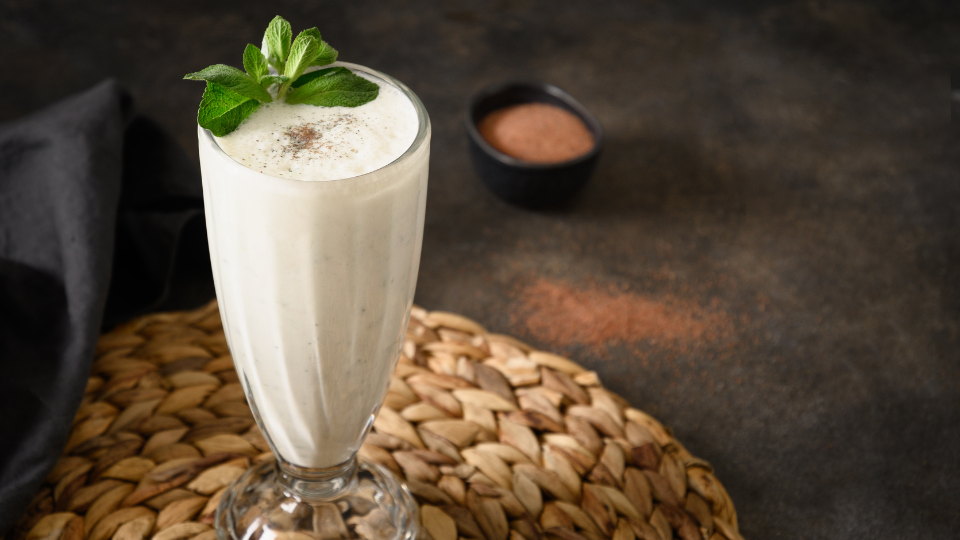
  • Sweet vs. Salty Lassi – Which One Should You Try?

    Sweet vs. Salty Lassi – Which One Should You Try?

    Introduction

    The debate of sweet vs. salty lassi has been around for generations, and for good reason. This traditional yogurt-based drink has been a staple in Indian households for centuries, offering both refreshment and nourishment. There’s something comforting about sipping on it after a long, tiring day. But if you’ve ever stood in front of a menu and hesitated between the two versions, you’re not alone. Many people find themselves torn, unsure which option would better suit their taste buds or complement their meal.

    In this blog, we’ll explore the classic debate of sweet vs. salty lassi, breaking down the flavors, benefits, and occasions where each shines the most. By the end, you’ll know exactly which one you should try depending on your mood, meal, or preference. Whether you’re a first-timer curious about this iconic refreshment or someone looking for guidance, we’ll walk you through everything you need. And when you’re ready to taste the best, Maharaja Riyasat in Calgary offers authentic recipes prepared with rich, traditional flavors.


    Things to Know Before Choosing Your Drink

    When deciding between sweet vs. salty lassi, it helps to understand a few important aspects that shape your experience. From taste preferences to health benefits and even cultural context, several factors can influence your decision. Knowing these essentials will help you avoid disappointment and make a choice that suits your meal and mood perfectly.

    Let’s explore the key points you should consider before deciding which type deserves a place at your table.


    Taste Profiles: Sweet vs. Savory

    The sweeter option is typically flavored with sugar, rose water, or fruit, offering a creamy, dessert-like taste that many people enjoy as a standalone treat. It satisfies cravings for something rich and indulgent. On the other hand, the savory variation leans toward refreshing, often enhanced with cumin, mint, or black salt. If you crave something to balance a spicy meal, the salty version might be your best choice.

    This difference in flavor profiles is similar to how diners debate between paneer butter masala vs. shahi paneer—each is delicious, but your choice depends on your taste preference. Much like paneer-based curries, the beverage you choose sets the tone for your overall dining experience.


    Nutrition and Digestive Benefits

    Both sweet and salty lassi offer excellent health benefits because they’re yogurt-based, packed with probiotics that aid digestion and gut health. The sweeter one, though, may carry extra sugar, making it less suitable for those watching their calorie intake. The salty style, often seasoned with digestive spices like cumin, is considered lighter and more beneficial after a heavy meal.

    If you’re already a fan of hearty meals like authentic biryani, the savory option becomes the perfect partner to help balance richness while still giving your body digestive support. Sweetened versions, on the other hand, offer energy and indulgence—making them a good choice for a cooling summer drink.


    Cultural Significance in India

    In Indian tradition, the salted variation is often served alongside meals in North India to balance spicy flavors, while the sweet style is more common during festivals or celebrations as a standalone treat. Understanding this cultural context can enhance your appreciation of the drink. Sweet preparations are often associated with Punjab, where mango and rose-flavored versions are popular, while the savory kind remains a daily refreshment.

    Food culture plays a big role here, much like the insights shared in our blog on Punjabi food culture, where drinks and meals together reflect deeper traditions. Choosing between the two is not just about taste—it’s about connecting with cultural roots.


    When to Drink Each Version

    The sweeter option works best as a dessert, a mid-day refreshment, or even as a cooling antidote during summer. Its richness makes it filling, almost like a meal replacement. The salty one, however, is more functional during meals, especially when paired with spicy curries, biryanis, or kebabs. It helps tone down heat and aids digestion.

    So, if you’re sitting down for a hearty meal and browsing our menu, the salty variation is the wiser option. But if you’re simply craving something cold, creamy, and sweet, then the sweeter style is your go-to choice. Both options enhance your dining in unique ways.


    Common Mistakes People Make

    One of the biggest mistakes people make is ordering the sweet style to accompany a spicy, heavy meal—it can feel too heavy and overly indulgent. On the flip side, choosing the salty version when you’re craving something dessert-like can leave you disappointed. Another mistake is ignoring portion size; this beverage is filling, and too much can overwhelm your appetite.

    This is similar to how people often confuse when to order roti vs. paratha—it’s not just about what you like but also about what pairs best with the meal you’re enjoying. Being mindful of context helps you make the right choice every time.


    Sweet vs. Salty Lassi: Why Choose the Sweet Version

    The sweeter version shines as a beverage for those with a sweet tooth or when you need a refreshing, cooling break. It’s creamy, indulgent, and often enhanced with ingredients like cardamom, rose, or mango. Because of its dessert-like quality, it works beautifully as a standalone treat.

    Craving indulgence is normal, and this drink can feel just as comforting as a plate of butter chicken, satisfying your appetite with its richness. If you want something that doubles as a dessert, the sweetened style is the right choice.


    Sweet vs. Salty Lassi: Why Choose the Salty Version

    The savory variation is perfect for anyone who wants a lighter, refreshing option to pair with a full meal. Its notes and digestive benefits make it an ideal companion for spicy curries or fried foods. Unlike its sweet counterpart, it doesn’t feel heavy, which means you can enjoy it without sacrificing room for your meal.

    If you’re planning a visit, it pairs especially well with our signature dishes—don’t forget to reserve your table in advance for the complete Maharaja Riyasat experience. This option is a must-try if you’re dining on bold Punjabi flavors.


    Modern Variations Worth Trying

    Beyond the classic debate of sweet vs. salty lassi, modern twists have gained popularity worldwide. Mango, strawberry, and even fusion flavors like chocolate are now staples in many restaurants. These variations add excitement while retaining the base yogurt goodness.

    At Maharaja Riyasat, we honor tradition while embracing creativity, offering options that appeal to both purists and adventurous foodies. Just like we highlight the richness of authentic Punjabi dishes, our beverage menu celebrates both authenticity and innovation.


    Pairing Your Beverage with Indian Dishes

    Pairing your choice with the right dish can transform your meal. The sweet version goes well with light snacks like samosas or pakoras, while the salty one pairs beautifully with spicy gravies and kebabs. The balance between rich food and refreshing drink creates harmony on your palate.

    If you’re exploring Indian cuisine for the first time, consider pairing it with dishes you’ll find in our about us page introduction to Punjabi dining traditions. Understanding pairings ensures you get the most out of every meal.


    Health Benefits of Sweet vs. Salty Lassi

    This yogurt-based refreshment isn’t just about flavor—it’s also a powerhouse of health benefits. Because it’s made from fresh curd, it’s rich in probiotics that improve gut health and digestion. The salty version, infused with cumin or black salt, cools the body and prevents bloating after heavy meals. The sweetened style, while indulgent, provides quick energy and keeps you hydrated in the summer.

    In fact, many people who enjoy spicy foods like those mentioned in our Punjabi food culture blog rely on this beverage to balance heat and support digestion. Adding it to your routine means combining taste with long-term health.


    From Tradition to Trend

    What once began as a humble household drink has now become a global culinary trend. From trendy Indian cafés to high-end dining spots, sweet vs. salty lassi has found its way into modern menus. The rise of mango variations in North America is a testament to how this refreshment bridges cultures while retaining authenticity.

    At Maharaja Riyasat, this drink isn’t just an add-on—it’s part of the experience, much like our carefully crafted curries and tandoori dishes. Whether you’re enjoying it as a quick refreshment or alongside a feast, it represents the blending of tradition with modern tastes, making it more than just a beverage.


    Why Choose Maharaja Riyasat for Authentic Preparation?

    At Maharaja Riyasat, we understand that this yogurt drink is more than just a thirst quencher—it’s a cultural experience. Our chefs prepare both sweet and salty versions using authentic recipes, fresh yogurt, and carefully chosen spices and flavorings. Unlike mass-produced copies, ours is made to order, ensuring freshness and taste in every sip.

    Pairing your meal with one of our specialties elevates your dining experience, much like how we showcase variety in authentic Punjabi dishes. Whether you’re enjoying a rich mango preparation or a refreshing mint-flavored salted version, you’ll taste the difference that comes from tradition and quality.


    Conclusion

    Choosing between sweet vs. salty lassi doesn’t have to be confusing once you understand the differences. The sweet style offers indulgence and dessert-like richness, while the salty version provides balance, refreshment, and digestive support. Your choice depends on your mood, your meal, and the experience you’re seeking.

    At Maharaja Riyasat, you don’t have to compromise—we serve both options prepared with authentic ingredients and care. Whether you’re dining with family, enjoying a solo meal, or introducing someone new to Indian cuisine, this drink is the perfect companion. Visit us today and discover why Maharaja Riyasat is Calgary’s go-to spot for authentic Indian drinks and dining. For more information on dining experiences, explore our menu before your visit.

  • Gulab Jamun: A Royal Dessert with Timeless Taste

    Gulab Jamun: A Royal Dessert with Timeless Taste

    Introduction

    Few desserts can spark nostalgia and delight the senses quite like this syrupy Indian sweet. Whether it’s the first bite after a long day of celebration or the sweet ending to a lavish feast, this delicacy has a unique power to connect people to traditions, memories, and pure indulgence. This golden treat has traveled through generations and across continents, becoming a staple in festive spreads and restaurant menus alike. For those craving authentic flavors, it remains a must-have symbol of hospitality and joy.

    This blog explores the origins, variations, and cultural significance of this timeless sweet, while uncovering why it continues to enchant dessert lovers around the world. By the end, you’ll not only know more about its story but also discover how Maharaja Riyasat brings the royal essence of Indian desserts to Canada. If you’re eager to indulge in true flavors, this guide will help you appreciate this delicacy on a whole new level.


    Things to Know Before Indulging

    This popular dessert may seem simple at first glance, but its roots and preparation tell a much deeper story. Before diving into the different types and serving styles, it’s important to understand what makes it so iconic. From its name and ingredients to its symbolic role in celebrations, there’s more than meets the eye.

    The Meaning Behind the Name

    The name itself is full of meaning. “Gulab” comes from Persian, meaning rose, a nod to the rose water traditionally used in the syrup. “Jamun” refers to a purple-colored fruit native to India, similar in shape and color to the dessert once soaked in syrup. This connection highlights how it was not just created for taste but also as an artistic tribute to culture and nature. The blend of linguistic and culinary traditions reveals its cross-cultural origins.

    Understanding the meaning behind its name also helps us appreciate its historical context. This dessert’s creation was influenced by Persian and Mughal culinary practices that blended with Indian kitchens. It’s not just food—it’s a piece of history that represents how recipes can carry stories of migration, adaptation, and cultural exchange across centuries. When we savor it, we’re enjoying a sweet bite of history.

    Traditional Ingredients

    At the heart of this dish are simple yet luxurious ingredients. Traditionally, it’s made with khoya, or reduced milk solids, combined with a touch of flour for binding. These are rolled into small balls, deep-fried to golden perfection, and soaked in sugar syrup infused with cardamom, saffron, and rose water. This meticulous preparation is what gives the dessert its signature melt-in-the-mouth texture and fragrant sweetness.

    Modern versions sometimes use milk powder instead of khoya, but the authentic recipe still reigns supreme in delivering richness. Each ingredient plays a role in balancing flavor and aroma—the saffron adds warmth, the cardamom a delicate spice, and the rose water a floral lift. Together, they elevate this treat into an experience that’s as sensory as it is flavorful.

    Cultural Role in Celebrations

    In Indian culture, this sweet is more than just dessert—it’s a symbol of festivity and togetherness. It often marks joyous occasions like weddings, Diwali, Eid, or even simple family gatherings. Serving it is a way to express warmth and generosity, making it a centerpiece of hospitality. Its rich taste complements celebratory meals and ensures that every guest leaves with sweetness lingering on their palate.

    The presence of this dessert at festivals also reflects deeper cultural beliefs. Sweet dishes are often associated with auspicious beginnings in Indian traditions. By offering them, families invoke blessings of happiness and prosperity. This symbolic role, combined with its irresistible taste, explains why it has remained a favorite for centuries and continues to be passed down through generations.

    Growing Global Popularity

    Although rooted in South Asian traditions, this sweet has become a global phenomenon. Across North America, Europe, and the Middle East, Indian restaurants and sweet shops serve this delicacy to growing audiences. Its universal appeal lies in its unique balance of sweetness and texture, which resonates with both traditional and modern dessert lovers. From street food stalls in India to high-end catering abroad, it has earned a place on every menu.

    The globalization of this dessert also reflects how food bridges cultural gaps. Many non-Indian food enthusiasts have embraced it as their introduction to Indian sweets, leading to creative adaptations worldwide. Yet, even with new variations, the classic syrup-soaked version continues to hold its throne as the most beloved choice, preserving its timeless identity.

    Regional Variations

    While the classic recipe remains a favorite, regional variations have added unique twists. In some places, jaggery replaces sugar, offering an earthy sweetness. Others infuse the syrup with kewra essence or orange blossom for different aromas. Some chefs even stuff the dessert with nuts or coat them in coconut flakes to enhance the texture. Each version reflects local tastes and creativity, adding to its rich culinary journey.

    Modern chefs have also reimagined it with gourmet twists—think baked versions, fusion flavors like chocolate or red velvet, and even cocktail pairings. These variations keep the sweet relevant to new generations while preserving its authentic soul. It’s proof that tradition and innovation can coexist deliciously.


    Popular Varieties to Try

    This treat isn’t a one-size-fits-all dessert. Depending on preparation methods and flavor infusions, you’ll find several exciting varieties worth savoring. Each version has its unique charm, and trying them can be a delightful exploration of flavors.

    Classic Version

    The traditional version made with khoya is soft, rich, and perfectly soaked in cardamom-rose syrup. This is the dessert most people imagine, and for good reason. Its simplicity is what makes it timeless, offering the perfect balance between sweetness, texture, and aroma.

    The classic style also holds cultural authenticity, making it a must-have at traditional events and festive occasions. It’s the benchmark against which all other versions are compared, and for many, it remains the ultimate comfort dessert. Its enduring popularity shows that sometimes, sticking to tradition is the most satisfying choice.

    Kala Jamun

    Kala jamun is a darker variation, fried slightly longer until the outer layer turns almost black. Despite its appearance, the flavor is deep, caramelized, and uniquely delightful. The contrast between the crisp exterior and soft interior creates a texture that’s both surprising and satisfying.

    This variation often includes extra flavors like cardamom or saffron, adding richness to the taste. Kala jamun appeals to those who enjoy bold flavors and textures, making it a popular alternative to the classic. It proves how a simple change in preparation can transform the experience entirely.

    Stuffed Versions

    For an extra indulgent twist, some are stuffed with nuts, dried fruits, or even chocolate. This adds layers of flavor and texture, making each bite a delightful surprise. The combination of syrup-soaked softness with a crunchy or gooey center elevates the dessert to gourmet levels.

    Stuffed versions are particularly popular at weddings and special events where hosts want to impress guests with something extra. It’s a fusion of tradition and creativity, offering the comfort of a classic dessert with the excitement of a modern twist.

    Dry Varieties

    Unlike the syrup-soaked versions, dry ones are rolled in powdered sugar, coconut flakes, or even cardamom powder after frying. This makes them less sticky while still retaining their rich taste. They’re easier to serve and transport, making them a practical choice for gifting during festivals.

    These versions also provide a unique texture experience. The absence of syrup allows the fried dough to shine through, giving a slightly firmer bite. For those who prefer less sweetness, this variation offers the perfect balance while keeping the essence intact.

    Fusion Flavors

    Modern chefs and home cooks have experimented with fusion versions, incorporating flavors like chocolate, red velvet, or even matcha. These creative takes cater to evolving palates and make the dessert appealing to younger generations. Fusion flavors often appear in trendy restaurants and dessert menus, showcasing versatility.

    What’s remarkable is how it adapts to contemporary tastes without losing its core identity. These new flavors keep it exciting and relevant while ensuring that the classic dish remains a cultural anchor. For adventurous foodies, fusion styles open up endless possibilities.


    Pairing with Indian Meals

    One of the best ways to enjoy this treat is by pairing it with complementary dishes. Its richness works beautifully as a finale to hearty Indian meals.

    After Royal Thalis

    In traditional Indian dining, elaborate thalis often end with a sweet dish, and this dessert is a popular choice. Its syrupy sweetness balances the spices and richness of multiple curries, dals, and breads served in a thali. The dessert acts as a satisfying conclusion to a multi-course experience.

    Many royal thalis in restaurants highlight this sweet as their signature finale. Its presence ensures guests leave with a lingering taste of sweetness, symbolizing completeness. This pairing emphasizes the dessert’s role not just as food, but as a cultural sign-off to an indulgent meal.

    With Festive Biryani Feasts

    Biryani, with its layered spices and richness, pairs beautifully with this dessert. The cool syrupy sweetness provides a refreshing contrast to the heat of the rice dish. Together, they create a harmony of flavors that celebrates both savory and sweet in balance.

    In festive gatherings, serving biryani with this sweet is a tradition in many households. It’s a combination that highlights the grandeur of Indian hospitality, where no celebration is complete without an indulgent finale. This duo perfectly reflects the diversity and depth of Indian cuisine.


    Why Choose Maharaja Riyasat

    At Maharaja Riyasat, Indian sweets are not just desserts—they’re culinary masterpieces crafted with authenticity and passion. Our chefs follow traditional methods using premium ingredients like khoya, saffron, and cardamom to ensure every bite captures the essence of royal heritage. Each sweet is prepared with precision, balancing sweetness and texture to deliver the melt-in-the-mouth experience our guests cherish.

    Beyond taste, Maharaja Riyasat offers an immersive dining journey that celebrates Indian culture. Whether you’re dining in or ordering for special occasions, our desserts add an element of grandeur to your experience. By choosing us, you’re not just enjoying food—you’re savoring centuries of tradition, artistry, and a royal touch that makes every moment special.


    Conclusion

    The enduring charm of this syrup-soaked delicacy lies in its simplicity, richness, and cultural significance. From its historic origins to its modern variations, it continues to captivate hearts across generations and geographies. Whether enjoyed in its classic form, paired with festive meals, or reimagined with fusion flavors, it remains a royal treat that embodies celebration and togetherness.

    For those in Canada seeking authentic Indian desserts, Maharaja Riyasat is your destination for indulgence. Our offerings bring the warmth of tradition and the richness of heritage straight to your table. Next time you crave sweetness that tells a story, let this timeless dessert remind you why some tastes never fade.

  • Best Samosa in Calgary: A Foodie’s Guide

    Best Samosa in Calgary: A Foodie’s Guide

    Introduction

    There’s something magical about biting into a perfectly crisp samosa. Its golden crust gives way to a warm, spiced filling that delights the senses. Whether you’re a lifelong fan of Indian street food or someone looking to expand your culinary horizons, samosas hold an irresistible charm. For foodies in Calgary, the hunt for the best samosa is more than just a snack run—it’s a journey through culture, tradition, and flavor. Calgary’s vibrant food scene offers plenty of options, making it a paradise for samosa lovers.

    In this guide, we’ll explore everything you need to know about finding the best samosa in Calgary. From what makes a samosa authentic, to discovering the top spots where you can enjoy them fresh and hot, this blog has you covered. By the end, you’ll know where to satisfy your cravings and why Maharaja Riyasat stands out as the ultimate destination for authentic samosas. Get ready to indulge in Calgary’s finest flavors and plan your next foodie adventure. You can also explore our menu to see how samosas pair with other Indian delicacies.


    Things to Know Before Finding the Best Samosa in Calgary

    Before diving into Calgary’s best samosa spots, it helps to know what makes a great one. From filling to crust, from price to dining experience, every detail shapes your enjoyment. Here are key factors to consider before starting your samosa journey.

    Authentic Flavors and Seasonings

    Authenticity is key when it comes to samosas. The best samosa in Calgary reminds you of the flavors of India and South Asia, with balanced spices that excite the taste buds. Look for places that use seasoning blends like cumin, coriander, garam masala, and fresh herbs to give the filling depth. Authentic flavors don’t just satisfy hunger—they transport you to another place entirely, evoking the warmth of family kitchens and bustling street vendors.

    At the same time, authenticity doesn’t mean lack of creativity. Some Calgary eateries put their own spin on the classic samosa, offering butter chicken samosas or fusion-inspired fillings. Whether you want the original taste or something new, make sure the spices are balanced and fresh. A well-spiced samosa is one you’ll want again and again. For more on Indian flavors, check out our blog on exploring the rich spices of Punjabi food.

    Types of Fillings Available

    When searching for the best samosa in Calgary, you’ll find a wide variety of fillings. Traditional potato and pea fillings remain a favorite, delivering comfort and familiarity. Meat lovers often seek chicken, beef, or lamb samosas, which pack a savory punch and pair well with chutneys. For the adventurous, fillings such as cheese, paneer, or seafood provide a creative twist on the classic.

    Exploring different fillings helps you appreciate the versatility of the samosa. Some restaurants even offer sweet dessert samosas with chocolate, coconut, or dried fruits. No matter your preference, Calgary has options to match your cravings. If you enjoy comparing Indian favorites, you might like our blog on paneer butter masala vs shahi paneer.

    Freshness and Quality Ingredients

    A samosa is only as good as the quality of its ingredients. The best samosa in Calgary is made fresh daily, with hand-prepared fillings and dough fried to perfection. Fresh potatoes, peas, herbs, and spices ensure a flavor that bursts with every bite. High-quality meat makes non-vegetarian options stand out. You’ll notice the difference when freshness is a priority.

    Equally important is the frying process. A good samosa should have a crisp, flaky crust that isn’t greasy, while the inside stays moist and flavorful. Establishments that prepare small batches or make samosas to order usually provide the best quality. For more on traditional cooking, explore our post on authentic Punjabi dishes to try in Vaughan.

    Price and Value for Money

    Foodies love to indulge, but price matters too. Fortunately, Calgary offers options for every budget, from affordable grab-and-go samosas to gourmet versions at fine dining restaurants. The best samosa isn’t always the cheapest or most expensive, but the one that delivers value. Portion size, generous filling, and taste should align with the price.

    For regular snacking, affordable spots with combos are perfect. If you’re celebrating or want a refined setting, higher-end restaurants also offer excellent choices. Value lies not just in cost but in satisfaction and overall experience. If you want more ideas, check out our blog on best Indian food delivery for busy nights.

    Dining Experience and Atmosphere

    The ambiance adds to the samosa experience. Calgary has everything from casual takeout spots to elegant restaurants, each offering a different way to savor this iconic snack. Street-style eateries give you that quick-bite authenticity. Dine-in restaurants let you pair your samosa with chutneys, curries, and other dishes for a complete meal.

    Customer service and presentation also matter. A well-presented samosa with chutneys elevates the experience. Whether eating in or grabbing a snack, the atmosphere should make you feel welcome. For more on culture and dining, read our blog on Punjabi food culture.


    Top Spots for the Best Samosa in Calgary

    Now that you know what makes a samosa great, let’s explore Calgary’s top spots. Each offers something unique, whether authentic recipes, creative fillings, or inviting atmosphere.

    Maharaja Riyasat – Authentic Indian Fine Dining

    Maharaja Riyasat is a must-visit for anyone searching for the best samosa in Calgary. Known for its fine dining approach, the restaurant offers samosas that are both authentic and beautifully presented. Fillings are made with high-quality ingredients, ensuring each bite is packed with flavor. Their potato samosa remains a favorite, but unique variations showcase creativity.

    Beyond food, Maharaja Riyasat provides an experience that immerses you in Indian culture. From regal décor to attentive service, everything enhances the pleasure of eating samosas. Whether you’re new to Indian food or a longtime fan, this is the place to enjoy an elevated version of a beloved snack. Explore their menu to plan your visit.

    Street-Style Eateries

    For those who crave simplicity, Calgary’s street-style eateries are the best choice. These small, casual spots often serve samosas straight from the fryer, giving you that crunchy, fresh taste. The focus is on quick service and bold flavor, making them ideal for a snack on the go.

    Most stick to classic potato fillings, while others offer minced meat or paneer. They may lack ambiance, but they make up for it with authentic taste and affordability. If you want samosas like those in bustling Indian markets, these spots are your best bet.

    Fusion and Modern Takes on Samosas

    Calgary’s food scene thrives on innovation, and samosas are no exception. Several modern eateries experiment with unique fillings and methods, offering cheese-filled samosas or dessert creations. These are perfect for foodies who love trying new things.

    Purists may prefer classics, but fusion samosas show how versatile this snack can be. Whether it’s butter chicken or chocolate-filled versions, Calgary’s modern restaurants delight with fresh ideas. If fusion excites you, you’ll also enjoy our article on chicken tikka masala vs butter chicken.

    Family-Owned Indian Restaurants

    Family-owned Indian restaurants are hidden gems for finding the best samosa. These places often use recipes passed down through generations, ensuring authentic flavor. The warmth of family cooking is evident in every bite, making these samosas comforting and satisfying.

    What sets them apart is their personal touch. From seasoning to frying, there’s tradition and pride in every detail. If you want heartfelt experiences with delicious food, these are excellent choices. For more inspiration, visit our about us page to learn how Maharaja Riyasat was built on tradition.

    Indian Sweet Shops and Bakeries

    Calgary also has Indian sweet shops and bakeries that sell savory snacks. These shops often prepare samosas in bulk, making them perfect for parties, gatherings, or stocking up. Freshly made in small batches, they deliver both affordability and authenticity.

    Many bakeries also offer mini or unique samosas that pair well with sweets. If you’re planning a celebration, picking them up is always a good idea. For bigger events, reserve a table at Maharaja Riyasat to enjoy authentic flavors in an upscale setting.


    Why Choose Maharaja Riyasat for Authentic Indian Samosas

    Among all the options in Calgary, Maharaja Riyasat stands out as the top destination for authentic samosas. Their commitment to traditional flavors while offering a fine dining setting makes them unique. Every samosa is crafted with care, using fresh ingredients and balanced spices that capture Indian street food while elevating it.

    The restaurant doesn’t just serve food—it delivers an experience. From luxurious ambiance to attentive service, everything enhances the pleasure of dining. Their samosas pair beautifully with other dishes, making them a perfect start to a meal. For food lovers in Calgary, Maharaja Riyasat means authenticity, quality, and unforgettable experiences. Visit their website to explore more.


    Conclusion

    Samosas are more than a snack—they’re a cultural icon, a culinary adventure, and a symbol of comfort food. In Calgary, foodies are spoiled for choice. From street-style eateries and family-owned restaurants to fusion spots and fine dining, the city offers something for every palate.

    While many options exist, Maharaja Riyasat shines as the destination for those who want authenticity, quality, and experience. Whether you’re enjoying a potato samosa or a unique creation, you’ll leave with a lasting impression of India’s rich culinary heritage. Next time the craving hits, explore Calgary’s offerings—but don’t miss samosas at Maharaja Riyasat. It’s more than a meal; it’s an experience worth repeating.


    Summary

    In this foodie’s guide to the best samosa in Calgary, we explored what makes a great samosa. From authentic flavors and diverse fillings to freshness, price, and dining experience, every detail matters. We highlighted Calgary’s top spots, including street-style eateries, fusion restaurants, family-owned gems, and sweet shops. Among them, Maharaja Riyasat stands out as the premier choice for anyone seeking authentic Indian samosas paired with fine dining. With a focus on quality, tradition, and innovation, Maharaja Riyasat ensures every bite is unforgettable. When it comes to the best samosa in Calgary, this is the destination you shouldn’t miss.

  • Paneer Butter Masala: A Royal North Indian Delight

    Paneer Butter Masala: A Royal North Indian Delight

    Introduction

    Few dishes in Indian cuisine have captured hearts across the globe quite like paneer butter masala. Imagine a creamy tomato-based curry, rich with butter and aromatic spices, gently coating tender cubes of paneer that melt in your mouth. This dish is not just food—it’s an experience of indulgence, tradition, and culture. Many people encounter it for the first time at an Indian restaurant and instantly fall in love with its unique balance of spice and creaminess. Whether you’re a seasoned Indian food lover or just beginning your culinary journey, this creamy paneer curry always has something special to offer.

    In this blog, we’ll dive deep into the fascinating world of this royal North Indian delight, uncovering its origins, flavors, variations, and perfect pairings. We’ll also explore why this dish remains one of the most beloved items in Indian restaurants worldwide, and why Maharaja Riyasat is the perfect place to experience it in Canada. By the end, you’ll not only understand the magic behind this curry but also feel inspired to savor it for your next meal. Let’s get started!


    Things to Know Before Enjoying This Creamy Paneer Curry

    Before you dig into this royal dish, it helps to know what makes it so unique. From its ingredients to cultural significance, every element contributes to the luxurious experience it brings to your plate. Let’s break it down.

    The Origins of This Buttery Paneer Dish

    This rich cottage cheese curry, often referred to as butter paneer, originated in Northern India, particularly in Punjab. This region is known for its love of dairy, spices, and hearty meals. The dish is believed to have been created in Delhi at the famous Moti Mahal restaurant, where chefs experimented with rich gravies and tandoor-grilled items. Much like butter chicken, this vegetarian version gained popularity for its creamy texture and balanced flavors. Over time, it became a staple not just in Indian households but also in restaurants worldwide, especially where vegetarian diners sought equally indulgent alternatives to meat curries.

    The dish’s cultural importance cannot be overstated. Paneer, often referred to as Indian cottage cheese, holds a special place in Indian vegetarian cuisine. For many families, paneer dishes are a sign of celebration and festivity. This particular preparation, with its royal presentation and delectable flavor, often features in wedding feasts, festivals, and gatherings, making it a dish that unites people over food.

    Key Ingredients That Define the Dish

    At the heart of every authentic preparation is a blend of fresh paneer cubes, tomatoes, butter, and cream. Tomatoes provide a tangy sweetness, which balances beautifully with the richness of butter and cream. Spices like cardamom, cinnamon, cloves, and garam masala add depth, while ginger and garlic bring a savory kick. Cashew paste is often used to thicken the gravy, giving it a silky-smooth texture. The final dish is garnished with fresh coriander leaves, elevating both aroma and presentation.

    High-quality paneer is crucial, as it determines the overall texture of the dish. Soft, fresh paneer absorbs the flavors of the gravy, making every bite rich and satisfying. Butter is equally important—not just as an ingredient but as a symbol of indulgence in North Indian cooking. Together, these elements create the luxurious taste that makes this creamy tomato-based curry irresistible.

    The Perfect Balance of Flavors

    What sets this North Indian paneer curry apart from other dishes is its impeccable balance of flavors. Unlike spicier gravies such as vindaloo, this buttery curry offers a mild yet flavorful taste, making it appealing to people across different age groups and spice preferences. The combination of sweet, savory, and creamy notes ensures that the dish never overwhelms your palate. This harmony of flavors makes it versatile, pairing well with various accompaniments such as naan, roti, or rice.

    The dish also embodies the essence of Indian cooking, where spices are not just used for heat but for creating a symphony of flavors. Every spoonful offers layers of taste, from the tang of tomatoes to the nutty creaminess of cashews, all wrapped in buttery richness. It’s no wonder this creamy paneer curry has become a comfort food for many, evoking both nostalgia and indulgence.

    Comparing to Other Paneer Curries

    While this popular dish is undoubtedly well-loved, it often gets compared to other paneer-based gravies such as shahi paneer, kadai paneer, and paneer tikka masala. Shahi paneer, for instance, is sweeter and richer, often flavored with dry fruits and saffron. Kadai paneer leans towards a spicier and more rustic preparation with bell peppers and freshly ground spices. Paneer tikka masala, on the other hand, involves grilled paneer cubes in a spicy tomato-onion gravy.

    This buttery tomato-paneer curry stands out because it strikes the perfect middle ground—it’s indulgent without being overly heavy, flavorful without being overwhelmingly spicy. This makes it a universally loved dish that appeals to both Indian food connoisseurs and first-time tasters alike.

    Variations Across Regions

    Like most Indian dishes, this curry has variations depending on where it is made. In Punjab, the dish tends to be richer, with more butter and cream. In South India, some recipes include curry leaves and coconut milk for a regional twist. Restaurants outside India often adapt the spice level and creaminess to suit local tastes. For example, in Canada, many restaurants balance authenticity with the preferences of a diverse clientele, ensuring that this paneer delicacy remains approachable yet true to its roots.

    These variations showcase the dish’s adaptability and universal appeal. Whether you enjoy it mildly spiced or packed with flavor, this Indian cottage cheese curry never fails to satisfy.

    Nutritional Value

    While indulgent, this tomato-paneer curry also offers some nutritional benefits. Paneer is a rich source of protein, making it an excellent option for vegetarians who need a protein boost. It also provides calcium, which supports bone health, and essential vitamins that contribute to overall wellness. The use of tomatoes brings antioxidants like lycopene, which are known for their health benefits. Of course, the cream and butter add richness, so moderation is key when enjoying this dish regularly.

    Understanding its nutritional profile helps diners appreciate this creamy curry not just as a flavorful indulgence but also as a dish that can contribute positively when balanced with a healthy diet. This knowledge adds another layer of appreciation, especially for health-conscious food lovers.


    Popular Pairings

    With Naan

    One of the most popular pairings is this curry with naan. The soft, fluffy bread acts as the perfect vehicle to scoop up the creamy gravy, ensuring you savor every drop. Garlic naan, in particular, adds an extra layer of flavor that complements the richness beautifully.

    With Jeera Rice

    Jeera rice, flavored with cumin seeds, provides a light yet flavorful base. The subtle earthy taste of cumin balances the richness of the curry, creating a comforting combination that is both satisfying and easy to digest.

    With Paratha

    Parathas, with their flaky layers, pair wonderfully with the creamy curry. This combination is often enjoyed during festive occasions or special dinners. The paratha’s buttery notes echo the indulgence of this dish, making every bite delightful.

    With Biryani

    While unconventional, pairing this paneer curry with biryani creates a royal feast. The aromatic spices of biryani harmonize with the creamy gravy, offering a flavor-packed meal fit for celebrations.

    With Roti

    For those seeking a lighter option, roti is an excellent choice. It allows the curry to shine without adding extra richness, making it ideal for everyday meals. This pairing is popular in Indian households where simplicity meets indulgence.

    With Appetizers

    This buttery tomato curry also pairs beautifully with appetizers such as samosas or pakoras. Starting a meal with these crispy snacks followed by the creamy curry creates a balanced dining experience. It combines crunch with creaminess, making it especially appealing for festive gatherings or restaurant dining.


    Why This Dish Remains Timeless

    This North Indian delight continues to stand the test of time because it offers both familiarity and indulgence. It is comforting enough for a weekday meal yet luxurious enough for special occasions. Its universal appeal ensures that it remains a staple on Indian restaurant menus worldwide. At Maharaja Riyasat, this dish is prepared with authentic spices and fresh ingredients, ensuring that every bite transports you to the royal kitchens of North India.

    Another reason for its timelessness lies in its ability to evolve while staying true to its roots. Chefs around the world experiment with slight variations—whether by adjusting the spice levels, substituting cream with healthier options, or even veganizing the dish with tofu. Despite these innovations, the soul of the dish remains untouched, making it relevant across generations.

    By savoring this curry, you’re not just enjoying a meal—you’re experiencing a culinary tradition that has been perfected over decades. Its ability to blend rich flavors with wide accessibility makes it an eternal favorite for food lovers everywhere.


    Why Choose Maharaja Riyasat

    When it comes to experiencing authentic North Indian flavors in Canada, Maharaja Riyasat stands out as a premier destination. Their chefs bring the essence of Indian cuisine to life, using traditional recipes and high-quality ingredients. Every serving of this creamy paneer curry at Maharaja Riyasat reflects a commitment to authenticity, flavor, and presentation.

    Beyond the food, Maharaja Riyasat offers a regal dining experience that complements the dish perfectly. From elegant interiors to attentive service, every detail is designed to make your meal memorable. By choosing Maharaja Riyasat, you’re not just enjoying this iconic curry—you’re embracing a royal culinary journey.


    Conclusion

    This classic paneer curry is more than just a dish—it’s a cultural icon that represents the richness and diversity of Indian cuisine. Its creamy texture, balanced spices, and universal appeal make it a recipe that transcends boundaries and brings people together. Whether you pair it with naan, rice, or roti, each bite tells a story of tradition, indulgence, and celebration.

    If you’re craving the authentic taste of this North Indian delicacy, Maharaja Riyasat is the place to be. With their dedication to authenticity and excellence, they ensure that every plate served is a true reflection of Indian royalty. Visit Maharaja Riyasat today and indulge in the royal delight of this buttery paneer curry like never before!

    In this blog, we’ll dive deep into the fascinating world of paneer butter masala, uncovering its origins, flavors, variations, and perfect pairings. We’ll also explore why this dish remains one of the most beloved items in Indian restaurants worldwide, and why Maharaja Riyasat is the perfect place to experience it in Canada. By the end, you’ll not only understand the magic behind this dish but also feel inspired to savor it for your next meal. Let’s get started!


    Things to Know Before Enjoying Paneer Butter Masala

    Before you dig into this royal dish, it helps to know what makes paneer butter masala so unique. From its ingredients to cultural significance, every element contributes to the luxurious experience it brings to your plate. Let’s break it down.

    The Origins of Paneer Butter Masala

    Paneer butter masala, often referred to as “butter paneer,” originated in Northern India, particularly in Punjab. This region is known for its love of dairy, spices, and hearty meals. The dish is believed to have been created in Delhi at the famous Moti Mahal restaurant, where chefs experimented with rich gravies and tandoor-grilled items. Much like butter chicken, paneer butter masala gained popularity for its creamy texture and balanced flavors. Over time, it became a staple not just in Indian households but also in Indian restaurants worldwide, especially where vegetarian diners sought equally indulgent alternatives to meat curries.

    The dish’s cultural importance cannot be overstated. Paneer, often referred to as Indian cottage cheese, holds a special place in Indian vegetarian cuisine. For many families, paneer dishes are a sign of celebration and festivity. Paneer butter masala, with its royal presentation and delectable flavor, often features in wedding feasts, festivals, and gatherings, making it a dish that unites people over food.

    Key Ingredients That Define the Dish

    At the heart of every authentic paneer butter masala is a blend of fresh paneer cubes, tomatoes, butter, and cream. Tomatoes provide a tangy sweetness, which balances beautifully with the richness of butter and cream. Spices like cardamom, cinnamon, cloves, and garam masala add depth, while ginger and garlic bring a savory kick. Cashew paste is often used to thicken the gravy, giving it a silky-smooth texture. The final dish is garnished with fresh coriander leaves, elevating both aroma and presentation.

    High-quality paneer is crucial, as it determines the overall texture of the dish. Soft, fresh paneer absorbs the flavors of the gravy, making every bite rich and satisfying. Butter is equally important—not just as an ingredient but as a symbol of indulgence in North Indian cooking. Together, these elements create the luxurious taste that makes paneer butter masala irresistible.

    The Perfect Balance of Flavors

    What sets paneer butter masala apart from other curries is its impeccable balance of flavors. Unlike spicier dishes such as vindaloo, paneer butter masala offers a mild yet flavorful taste, making it appealing to people across different age groups and spice preferences. The combination of sweet, savory, and creamy notes ensures that the dish never overwhelms your palate. This harmony of flavors makes it versatile, pairing well with various accompaniments such as naan, roti, or rice.

    The dish also embodies the essence of Indian cooking, where spices are not just used for heat but for creating a symphony of flavors. Every spoonful offers layers of taste, from the tang of tomatoes to the nutty creaminess of cashews, all wrapped in buttery richness. It’s no wonder paneer butter masala has become a comfort food for many, evoking both nostalgia and indulgence.

    Paneer Butter Masala vs. Other Paneer Dishes

    While paneer butter masala is undoubtedly popular, it often gets compared to other paneer-based curries such as shahi paneer, kadai paneer, and paneer tikka masala. Shahi paneer, for instance, is sweeter and richer, often flavored with dry fruits and saffron. Kadai paneer leans towards a spicier and more rustic preparation with bell peppers and freshly ground spices. Paneer tikka masala, on the other hand, involves grilled paneer cubes in a spicy tomato-onion gravy.

    Paneer butter masala stands out because it strikes the perfect middle ground—it’s indulgent without being overly heavy, flavorful without being overwhelmingly spicy. This makes it a universally loved dish that appeals to both Indian food connoisseurs and first-time tasters alike.

    Variations Across Regions

    Like most Indian dishes, paneer butter masala has variations depending on where it is made. In Punjab, the dish tends to be richer, with more butter and cream. In South India, some recipes include curry leaves and coconut milk for a regional twist. Restaurants outside India often adapt the spice level and creaminess to suit local tastes. For example, in Canada, many restaurants balance authenticity with the preferences of a diverse clientele, ensuring that paneer butter masala remains approachable yet true to its roots.

    These variations showcase the dish’s adaptability and universal appeal. Whether you enjoy it mildly spiced or packed with flavor, paneer butter masala never fails to satisfy.

    Nutritional Value of Paneer Butter Masala

    While paneer butter masala is an indulgent dish, it also offers some nutritional benefits. Paneer is a rich source of protein, making it an excellent option for vegetarians who need a protein boost. It also provides calcium, which supports bone health, and essential vitamins that contribute to overall wellness. The use of tomatoes brings antioxidants like lycopene, which are known for their health benefits. Of course, the cream and butter add richness, so moderation is key when enjoying this dish regularly.

    Understanding its nutritional profile helps diners appreciate paneer butter masala not just as a flavorful indulgence but also as a dish that can contribute positively when balanced with a healthy diet. This knowledge adds another layer of appreciation for the dish, especially for health-conscious food lovers.


    Popular Pairings with Paneer Butter Masala

    Paneer Butter Masala with Naan

    One of the most popular pairings is paneer butter masala with naan. The soft, fluffy bread acts as the perfect vehicle to scoop up the creamy curry, ensuring you savor every drop. Garlic naan, in particular, adds an extra layer of flavor that complements the rich gravy beautifully.

    Paneer Butter Masala with Jeera Rice

    Jeera rice, flavored with cumin seeds, provides a light yet flavorful base for paneer butter masala. The subtle earthy taste of cumin balances the richness of the curry, creating a comforting combination that is both satisfying and easy to digest.

    Paneer Butter Masala with Paratha

    Parathas, with their flaky layers, pair wonderfully with the creamy curry. This combination is often enjoyed during festive occasions or special dinners. The paratha’s buttery notes echo the indulgence of paneer butter masala, making every bite delightful.

    Paneer Butter Masala with Biryani

    While unconventional, pairing paneer butter masala with biryani creates a royal feast. The aromatic spices of biryani harmonize with the creamy curry, offering a flavor-packed meal fit for celebrations.

    Paneer Butter Masala with Roti

    For those seeking a lighter option, roti is an excellent choice. It allows the curry to shine without adding extra richness, making it ideal for everyday meals. This pairing is popular in Indian households where simplicity meets indulgence.

    Paneer Butter Masala with Appetizers

    Paneer butter masala also pairs beautifully with appetizers such as samosas or pakoras. Starting a meal with these crispy snacks followed by the creamy curry creates a balanced dining experience. It combines crunch with creaminess, making it especially appealing for festive gatherings or restaurant dining.


    Why Paneer Butter Masala Remains Timeless

    Paneer butter masala continues to stand the test of time because it offers both familiarity and indulgence. It is comforting enough for a weekday meal yet luxurious enough for special occasions. Its universal appeal ensures that it remains a staple on Indian restaurant menus worldwide. At Maharaja Riyasat, this dish is prepared with authentic spices and fresh ingredients, ensuring that every bite transports you to the royal kitchens of North India.

    Another reason for its timelessness lies in its ability to evolve while staying true to its roots. Chefs around the world experiment with slight variations—whether by adjusting the spice levels, substituting cream with healthier options, or even veganizing the dish with tofu. Despite these innovations, the soul of paneer butter masala remains untouched, making it relevant across generations.

    By savoring this dish, you’re not just enjoying a meal—you’re experiencing a culinary tradition that has been perfected over decades. Paneer butter masala’s ability to blend rich flavors with wide accessibility makes it an eternal favorite for food lovers everywhere.


    Why Choose Maharaja Riyasat for Paneer Butter Masala

    When it comes to experiencing authentic paneer butter masala in Canada, Maharaja Riyasat stands out as a premier destination. Their chefs bring the essence of North Indian cuisine to life, using traditional recipes and high-quality ingredients. Every serving of paneer butter masala at Maharaja Riyasat reflects a commitment to authenticity, flavor, and presentation.

    Beyond the food, Maharaja Riyasat offers a regal dining experience that complements the dish perfectly. From elegant interiors to attentive service, every detail is designed to make your meal memorable. By choosing Maharaja Riyasat, you’re not just enjoying paneer butter masala—you’re embracing a royal culinary journey.


    Conclusion

    Paneer butter masala is more than just a curry—it’s a cultural icon that represents the richness and diversity of Indian cuisine. Its creamy texture, balanced spices, and universal appeal make it a dish that transcends boundaries and brings people together. Whether you pair it with naan, rice, or roti, each bite tells a story of tradition, indulgence, and celebration.

    If you’re craving the authentic taste of paneer butter masala, Maharaja Riyasat is the place to be. With their dedication to authenticity and excellence, they ensure that every plate served is a true reflection of North Indian royalty. Visit Maharaja Riyasat today and indulge in the royal delight of paneer butter masala like never before!