Author: jnyan

  • Paneer Tikka: Spicy, Smoky and Delicious

    Paneer Tikka: Spicy, Smoky and Delicious

    Introduction

    Imagine the irresistible aroma of smoky, sizzling paneer cubes marinated in tangy yogurt and aromatic spices, grilled to perfection over an open flame. Paneer tikka is not just a dish; it’s an experience — one that brings together the essence of Indian cuisine in every bite. Whether you’re hosting a dinner party, craving something indulgent, or exploring vegetarian delicacies, paneer tikka never fails to impress with its bold flavors and rich texture. This popular North Indian appetizer has become a global favorite, loved for its balance of spice, smokiness, and melt-in-mouth tenderness.

    At Maharaja Riyasat, we bring you the authentic taste of traditional paneer tikka infused with royal flavors. In this blog, we’ll take you on a flavorful journey exploring everything you need to know about this iconic dish — from its origins and variations to the art of making it perfectly. By the end, you’ll not only understand what makes paneer tikka so special but also why Maharaja Riyasat is your go-to destination for the most delectable Indian dining experience. Ready to ignite your taste buds? Let’s dive in!

    Things to Know Before Enjoying Paneer Tikka

    Before you take your first bite of this fiery delicacy, it’s worth understanding what makes paneer tikka such a beloved dish. The ingredients, cooking style, and cultural significance all play a vital role in shaping its signature flavor. Below, we explore essential insights into the dish that will help you appreciate it even more deeply.

    The Origins of Paneer Tikka

    Paneer tikka traces its roots to the rich culinary traditions of North India, especially Punjab, where grilling and tandoor cooking are central to the cuisine. Historically, tandoors were used to cook meats, but creative chefs adapted the method for vegetarians using paneer — fresh Indian cheese. The result was a smoky, spicy delight that mirrored the flavors of kebabs while offering a lighter, vegetarian-friendly alternative.

    Today, paneer tikka is not just limited to Indian households; it’s a global favorite found in restaurants across the world. Its evolution symbolizes India’s diverse food heritage and adaptability. The use of traditional spices like cumin, turmeric, and garam masala ensures that even modern variations retain that authentic Indian flavor, making it a timeless culinary icon.

    Key Ingredients for Authentic Flavor

    Every bite of paneer tikka tells a story through its carefully chosen ingredients. Fresh, soft paneer is the star of the show, while the marinade made of thick yogurt, ginger-garlic paste, lemon juice, and a symphony of spices adds depth and tanginess. Bell peppers and onions not only enhance the presentation but also balance the heat with their natural sweetness.

    The secret lies in the marinade time — allowing the paneer to soak up the flavors ensures every cube is bursting with taste. At Maharaja Riyasat, our chefs use premium ingredients and authentic recipes, guaranteeing the true royal taste of India in every serving of paneer tikka you savor.

    Cooking Method and Tandoor Magic

    The traditional cooking method of paneer tikka involves grilling it in a tandoor — a cylindrical clay oven that imparts a distinct smoky flavor. The high heat of the tandoor sears the paneer’s surface, locking in moisture while giving it those irresistible charred edges. This smoky touch is what differentiates authentic tikka from its oven or stovetop versions.

    While home cooks might use ovens or air fryers for convenience, the tandoor remains unmatched in achieving that rustic, flame-kissed perfection. At Maharaja Riyasat, we adhere to this age-old tradition, using real tandoors to craft paneer tikka that captures the essence of royal Indian feasts.

    Spice Levels and Flavor Variations

    Paneer tikka can range from mildly spiced to fiery hot, depending on your taste preference. The balance of chili powder, garam masala, and tangy lemon juice creates the foundation for its flavor profile. Some versions use kasuri methi (dried fenugreek leaves) for a subtle bitterness that enhances the overall aroma.

    Modern chefs have also experimented with fusion versions, such as malai paneer tikka, hariyali tikka, or even peri-peri paneer tikka. Each variation offers a unique twist while staying true to the dish’s classic essence. At Maharaja Riyasat, our menu offers an array of tikka varieties, ensuring every palate finds its perfect match.

    Nutritional Benefits of Paneer Tikka

    Despite being indulgent, paneer tikka packs impressive nutritional benefits. Paneer is rich in protein and calcium, making it an excellent choice for vegetarians seeking muscle-building nutrients. The yogurt-based marinade adds probiotics that aid digestion, while the spices offer anti-inflammatory properties.

    Grilling instead of deep-frying keeps it light and healthy, especially for those mindful of calories. Enjoying paneer tikka means relishing something delicious that also supports your body’s wellness — a win-win combination you can feel good about every time.

    Types of Paneer Tikka You Must Try

    Classic Paneer Tikka

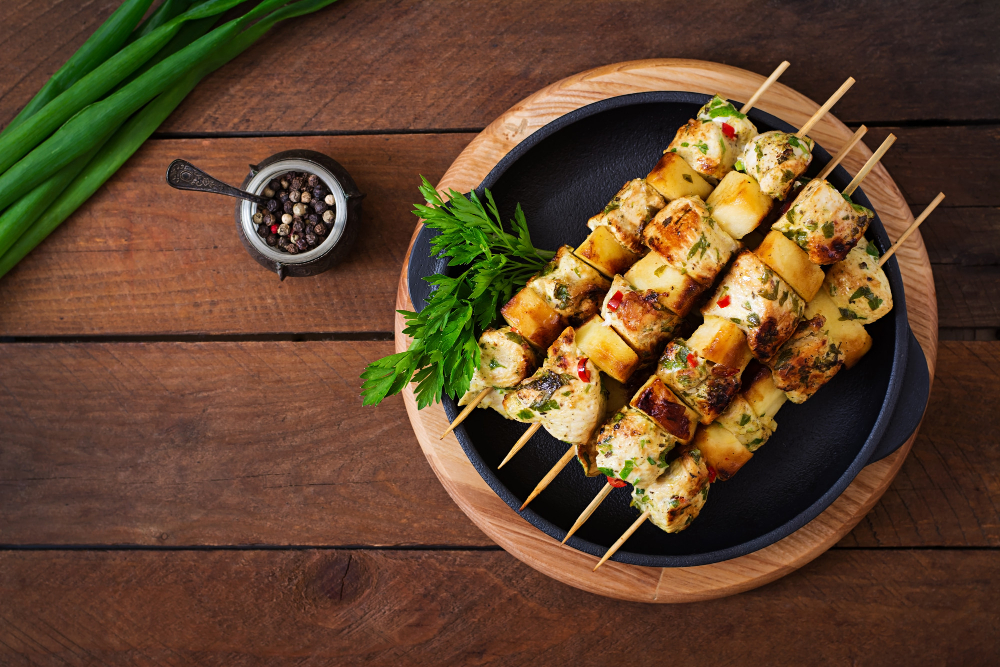
    The traditional version features marinated paneer cubes grilled with onions and bell peppers. It’s the perfect blend of smoky, spicy, and tangy flavors. The soft texture of paneer contrasts beautifully with the crisp, charred edges, creating a satisfying bite every time.

    At Maharaja Riyasat, the classic paneer tikka is prepared using house-made marinades and freshly ground spices. Served with mint chutney and lemon wedges, it’s a dish that defines authentic North Indian cuisine and promises a delightful sensory experience.

    Malai Paneer Tikka

    For those who prefer a milder version, malai paneer tikka offers a creamy, luxurious twist. The marinade replaces red chili with fresh cream, cheese, and subtle spices, resulting in a rich, melt-in-mouth delight.

    This version is especially popular among children and those with low spice tolerance. It pairs wonderfully with naan or can be enjoyed as a standalone appetizer. Maharaja Riyasat’s malai tikka is the epitome of smoothness and balance, crafted for true food connoisseurs.

    Hariyali Paneer Tikka

    A vibrant green variant, hariyali paneer tikka gets its color and freshness from a marinade made of coriander, mint, and spinach. It’s an excellent choice for those who enjoy herbal, refreshing flavors with a smoky edge.

    The green chutney-like coating adds not only taste but also visual appeal. Served hot off the tandoor, this version symbolizes how innovation can elevate tradition without losing authenticity.

    Achari Paneer Tikka

    Infused with the tang of pickling spices, achari paneer tikka delivers a punchy, zesty flavor. The use of mustard oil, fenugreek, and fennel gives it a unique sharpness that sets it apart from other variants.

    Perfect for spice lovers, this version complements drinks and serves as an excellent starter at parties. Maharaja Riyasat’s achari paneer tikka strikes the perfect balance between spice and zest, leaving your palate craving more.

    Peri-Peri Paneer Tikka

    Global flavors meet Indian flair in peri-peri paneer tikka — a fusion favorite that blends the fiery African chili sauce with classic Indian marinade. It’s bold, spicy, and bursting with personality.

    This fusion dish represents the modern evolution of Indian cuisine, loved by those who enjoy adventurous flavors. Maharaja Riyasat’s chefs have mastered this blend, ensuring every bite delivers a thrilling kick without overpowering the essence of paneer tikka.

    Why Choose Maharaja Riyasat for Authentic Paneer Tikka

    At Maharaja Riyasat, every dish is a tribute to India’s royal culinary traditions. Our paneer tikka stands out because we use the finest ingredients, handcrafted marinades, and authentic tandoor cooking methods. Each skewer is prepared with care, ensuring the perfect balance of flavor, texture, and aroma.

    Whether you’re dining in or ordering online, our menu reflects a commitment to quality and authenticity. Maharaja Riyasat doesn’t just serve food; we serve an experience — one steeped in culture, taste, and tradition. Visit maharajariyasat.ca to explore our full menu and savor the royal essence of Indian cuisine.

    Conclusion

    Paneer tikka is much more than a vegetarian appetizer — it’s a celebration of flavor, texture, and heritage. From its humble Punjabi origins to its worldwide fame, this dish embodies the richness of Indian culinary art. Whether you enjoy it spicy or creamy, traditional or fusion-style, paneer tikka promises satisfaction in every form.

    At Maharaja Riyasat, we invite you to experience paneer tikka the way it’s meant to be: smoky, spicy, and unforgettable. Indulge in the royal flavors of India today — because every bite of our paneer tikka tells a story of passion, perfection, and tradition.
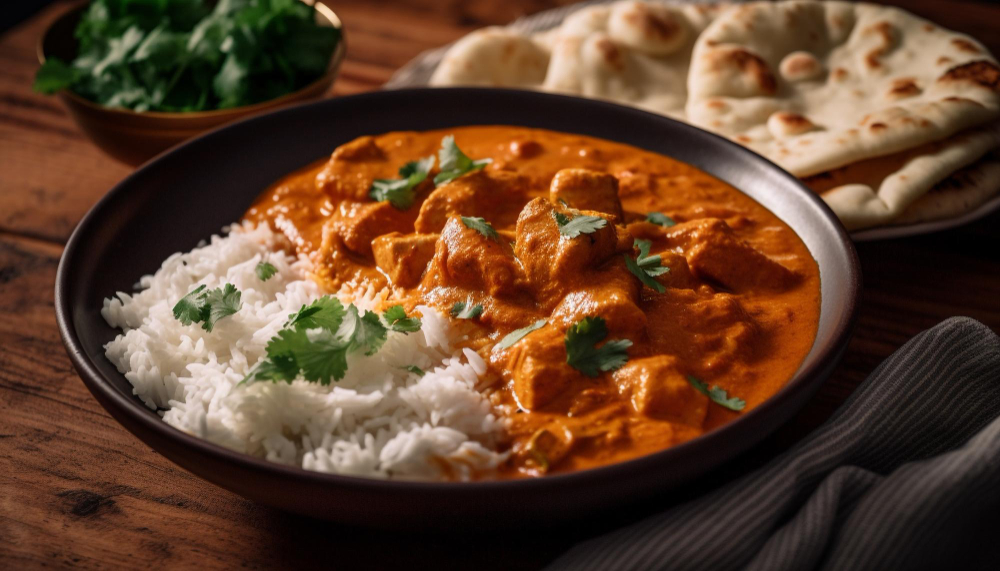
  • How to Cook Perfect Paneer Butter Masala Easily

    How to Cook Perfect Paneer Butter Masala Easily

    Introduction

    There’s something magical about the first bite of creamy, flavorful paneer butter masala. Whether it’s a family dinner or a festive occasion, this iconic North Indian dish never fails to impress. Imagine soft cubes of paneer enveloped in a rich, buttery tomato gravy infused with aromatic spices — pure comfort food! If you’ve ever wondered how restaurants like Maharaja Riyasat achieve that flawless balance of creaminess and spice, you’re not alone. This guide will teach you exactly how to cook perfect paneer butter masala easily at home while maintaining that royal restaurant-style flavor.

    Cooking paneer butter masala at home doesn’t need to be complicated. With the right ingredients, steps, and a touch of culinary mindfulness, you can master this dish even if you’re new to Indian cuisine. In this blog, we’ll walk you through the process — from choosing quality ingredients to understanding the science of the gravy — ensuring every bite tastes luxurious. Ready to create a dish fit for royalty? Let’s dive in and learn how to bring the rich flavors of Maharaja Riyasat right to your kitchen. Visit MaharajaRiyasat for more authentic Indian food experiences!


    Things to Know Before Cooking Paneer Butter Masala

    Before you jump into the actual cooking process, it’s important to understand the key elements that make paneer butter masala special. The quality of your ingredients, the technique of blending spices, and even the timing of adding cream can dramatically change the outcome. Each step plays a role in achieving that velvety texture and deep flavor you crave.

    In this section, we’ll cover the fundamental factors you must know before making this royal dish — from choosing the right paneer to mastering the butter-tomato balance. Understanding these essentials will help you create paneer butter masala that’s restaurant-quality every single time.


    1. Choosing the Right Paneer for Creamy Texture

    Good paneer butter masala starts with good paneer. Always opt for fresh, soft paneer that melts gently in your mouth. Store-bought paneer can work, but homemade paneer is best — it’s softer, fresher, and absorbs the gravy better. You can make paneer at home using full-fat milk and lemon juice or vinegar. Let it rest for a while before cutting into cubes for a firmer yet smooth texture.

    When selecting paneer, ensure it’s not rubbery. The freshness impacts the texture of your curry. Fresh paneer easily absorbs flavors from the tomato and butter base, giving you that restaurant-style richness. You can also soak paneer cubes in warm water for 10 minutes before adding them to the gravy for extra softness.


    2. Selecting the Perfect Tomatoes and Spices

    Tomatoes form the heart of paneer butter masala. Always go for ripe, red, and slightly tangy tomatoes — preferably Roma or plum types. The blend of sweetness and acidity determines the depth of flavor. Combine this with essential spices like cumin, garam masala, and Kashmiri red chili powder for that vibrant color without overwhelming heat.

    Balancing spices is key. Using too much chili can overpower the butteriness, while too little leaves the dish flat. Toasting whole spices briefly before blending enhances their aroma. This spice-tempering step, called “tadka,” is what gives paneer butter masala its authentic Indian character.


    3. Importance of Butter and Cream Balance

    Butter and cream are what make this dish indulgent. Using unsalted butter ensures you control the seasoning better. Start with butter for sautéing your onions and tomatoes, and finish with cream for richness. This layering technique gives your gravy a silky mouthfeel that’s characteristic of restaurant-quality paneer butter masala.

    If you’re health-conscious, substitute with ghee or low-fat cream without losing the essence of the dish. The trick is moderation — too much cream can dull the spices, while too little leaves the dish lacking body. Always stir gently after adding cream to maintain its texture.


    4. Blending for Smooth Gravy Consistency

    A hallmark of perfect paneer butter masala is its velvety, lump-free gravy. After sautéing tomatoes, onions, and cashews, let the mixture cool before blending. Use a high-speed blender for a fine, smooth puree. Strain it for that flawless, restaurant-style finish.

    The cashews add natural creaminess without needing excess cream. Blending well also ensures uniform color and consistency. When reheating the gravy, do so gently — boiling can cause the fats to separate, affecting the look and taste of your dish.


    5. Cooking Method and Timing

    Cooking technique makes all the difference. Start by sautéing your base ingredients on medium heat to extract flavors slowly. Once the puree is added, cook until it releases oil — this step ensures your spices are well-roasted and the raw tomato taste is gone.

    After this stage, add water or milk to adjust consistency. Paneer should be added only at the end, just before simmering for 3–5 minutes, to prevent overcooking. This maintains the soft texture while allowing it to absorb the sauce perfectly.


    Step-by-Step Guide to Cooking Paneer Butter Masala

    Once you understand the fundamentals, it’s time to bring them all together. Below is a detailed breakdown of each stage of cooking paneer butter masala to perfection — from preparing your ingredients to garnishing the finished dish.


    1. Ingredients You’ll Need

    Start with the right ingredients. You’ll need 200g paneer, 3 large tomatoes, 1 onion, 2 tbsp butter, 1 tbsp oil, 10 cashews, ½ tsp garam masala, ½ tsp cumin seeds, 1 tsp ginger-garlic paste, and 2 tbsp cream. These ingredients together create a harmonious blend of richness and flavor.

    Always measure accurately. Too much butter or too few spices can throw off the balance. Fresh ingredients make all the difference — particularly the tomatoes and paneer. Make sure your spices are not stale for the most aromatic outcome.


    2. Preparing the Gravy Base

    Heat oil and butter in a pan, then add cumin seeds and onions. Sauté until golden brown before adding ginger-garlic paste. Add chopped tomatoes and cook until soft. Toss in cashews and cook for a few minutes before blending everything into a smooth paste.

    This paste forms the heart of your curry. The slow cooking process extracts natural sweetness from onions and tanginess from tomatoes, creating depth in flavor. Once blended, return the mixture to the pan and cook it down again until it thickens slightly and oil separates.


    3. Seasoning and Simmering the Sauce

    Add salt, chili powder, garam masala, and kasuri methi (dried fenugreek leaves). Stir well and let it simmer. Add a splash of water or milk for the perfect consistency. Once it reaches the desired thickness, add cream and butter for richness.

    This step brings together all the flavors — the smokiness of spices, the tang of tomatoes, and the smoothness of cream. Simmering on low flame helps the spices infuse into the sauce, resulting in a balanced and rich taste.


    4. Adding the Paneer

    Now add paneer cubes gently into the sauce. Stir softly so the cubes don’t break. Let it simmer for 3–5 minutes, ensuring the paneer absorbs the flavor without hardening. Avoid overcooking, as paneer can become chewy quickly.

    You can also pan-fry the paneer lightly before adding it for a slightly crisp texture on the outside. Some prefer adding a dash of honey or sugar at this point to enhance the flavor profile, balancing tanginess with sweetness.


    5. Garnishing and Serving

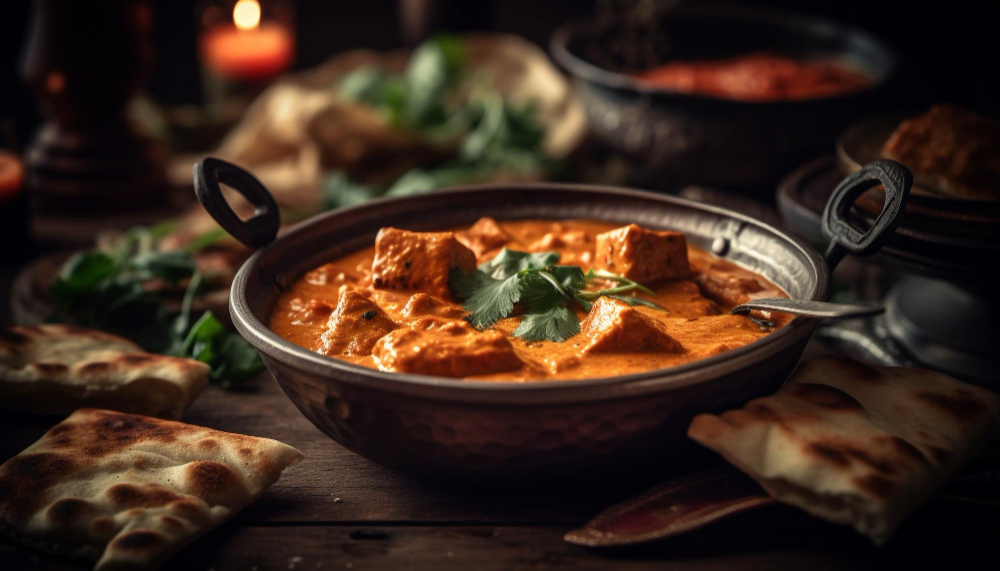
    Once the curry reaches the perfect creamy consistency, garnish it with fresh cream, butter, and coriander leaves. Serve hot with naan, roti, or basmati rice. The presentation adds to the sensory experience, making your dish as visually appealing as it is delicious.

    If you want that extra restaurant-style aroma, drizzle a spoon of melted butter infused with kasuri methi right before serving. This final touch adds irresistible fragrance and shine to your paneer butter masala.


    Why Choose Maharaja Riyasat for Authentic Paneer Butter Masala

    At Maharaja Riyasat, we take pride in serving dishes that represent the true essence of Indian royalty. Our chefs use time-tested recipes and premium ingredients to recreate the authentic flavors of traditional Indian cuisine. Whether you’re craving paneer butter masala or other regional delicacies, every dish is crafted with attention to detail and love.

    When you dine at Maharaja Riyasat, you experience not just food but a journey through India’s culinary heritage. Visit maharajariyasat to explore our full menu and indulge in royal flavors that transform every meal into a memorable experience.


    Conclusion

    Cooking paneer butter masala perfectly is about balancing flavors, textures, and techniques. With the right paneer, quality ingredients, and proper timing, you can achieve that restaurant-level perfection right in your own kitchen. Each bite of creamy gravy and soft paneer brings warmth and satisfaction, making it a timeless favorite.

    So, whether you’re hosting a dinner or craving comfort food, paneer butter masala is your go-to dish. And for those who’d rather skip the cooking and enjoy authentic taste, visit Maharaja Riyasat — where every recipe celebrates India’s royal culinary legacy.

  • Indian Curry: Exploring Regional Variations

    Indian Curry: Exploring Regional Variations

    Introduction

    Indian curry has become synonymous with bold flavors, aromatic spices, and comfort food that warms both the body and the soul. For many food lovers around the world, discovering the depth and diversity of Indian curry is an unforgettable culinary journey. Whether you’ve tasted creamy butter chicken, tangy vindaloo, or the spicy coconut gravies from the south, each dish tells a story rooted in culture and geography. At Maharaja Riyasat, every curry served is a reflection of India’s regional heritage brought to life with authenticity and passion.

    In this blog, we explore the fascinating regional variations of Indian curry—from the rich, dairy-based dishes of the North to the tangy, seafood-infused creations of the South. You’ll learn what makes each region’s approach to curry unique and how spices, ingredients, and local traditions shape every bowl. By the end, you’ll know exactly what to try next time you crave an authentic curry experience. Ready to discover India through its flavors? Visit Maharaja Riyasat and taste the difference today!


    Things to Know Before Exploring Regional Indian Curries

    Before diving into the regional varieties of Indian curry, it’s important to understand the foundational elements that define them. While the term curry may seem like a single dish, it represents a wide spectrum of gravies and sauces influenced by climate, produce, and cultural preferences. Every region uses a specific combination of spices and ingredients that mirror its agricultural and historical identity.

    Below, we’ll break down the key factors that make Indian curries so diverse, from the role of spices and cooking fats to the influence of religion and trade routes. Each of these aspects contributes to the complexity and richness that makes Indian curry a global favorite.

    The Role of Spices in Indian Curry

    Spices are the heartbeat of every Indian curry. Each region uses a different blend to create its signature taste—garam masala in the north, mustard seeds and curry leaves in the south, or panch phoron in the east. These spices not only add depth and aroma but also serve medicinal purposes rooted in Ayurveda.

    At Maharaja Riyasat, chefs craft every curry using freshly ground spice mixes to ensure authenticity. This attention to detail results in dishes bursting with character and aroma, capturing the true essence of Indian culinary tradition.

    Influence of Geography and Climate

    Geography heavily shapes Indian curry. Northern India’s cold climate favors richer gravies made with ghee, cream, and butter, while coastal southern regions rely on coconut milk and tamarind for light yet flavorful sauces. The arid western regions use dried spices and yogurt for preservation and balance.

    Understanding this geographical impact helps diners appreciate why no two Indian curries taste the same. Maharaja Riyasat’s menu showcases this diversity by featuring curries inspired by multiple regions—offering a complete culinary journey across India.

    Impact of Religion and Culture

    Religion and cultural preferences have profoundly influenced Indian cuisine. Hindu communities often create vegetarian curries using paneer, lentils, and vegetables, while Muslim culinary traditions introduced meat-based dishes like korma and nihari. This harmony of influences makes Indian curry one of the most inclusive cuisines in the world.

    At Maharaja Riyasat, this cultural blend is reflected in the menu, where both vegetarian and non-vegetarian options coexist beautifully, celebrating India’s pluralistic culinary heritage.

    Cooking Techniques and Regional Oils

    Different regions in India favor unique cooking techniques and oils. North Indians prefer cooking in ghee, while the South leans on coconut oil. In the East, mustard oil imparts a pungent sharpness, and the West uses groundnut or sesame oil for earthy undertones. The choice of oil can dramatically alter the flavor profile of a curry.

    By replicating these authentic regional methods, Maharaja Riyasat preserves the integrity of traditional cooking, giving diners a truly immersive experience that honors India’s diversity.

    Historical and Trade Influences

    Centuries of trade brought new ingredients like chilies, tomatoes, and potatoes to India, transforming the nature of curries forever. Persian, Portuguese, and British influences also left their mark on regional dishes, resulting in a unique fusion of global and local flavors.

    Maharaja Riyasat continues this legacy by combining time-tested recipes with modern presentation. This blend of history and innovation creates an unforgettable dining experience that pays homage to the evolution of Indian curry.


    Northern Indian Curries: Rich and Creamy Flavors

    Northern Indian curries are characterized by their luxurious use of dairy, including cream, butter, and yogurt. Popular dishes like butter chicken, paneer makhani, and dal makhani embody this region’s love for smooth, hearty gravies. The climate’s cold winters encourage richer, comforting foods that pair perfectly with naan or paratha.

    At Maharaja Riyasat, northern favorites like Chicken Tikka Masala and Paneer Butter Masala are prepared with precision and care. The balance of tangy tomatoes, aromatic spices, and buttery smoothness makes these curries a highlight for anyone craving indulgence.


    Southern Indian Curries: Spicy, Tangy, and Coconut-Based

    Southern Indian curries burst with tropical freshness. Coconut milk, curry leaves, and tamarind define their distinct tangy-spicy profile. Dishes like Kerala fish curry, Chettinad chicken, and sambar showcase how southern cooks balance heat and acidity to create vibrant flavors.

    Maharaja Riyasat’s menu often draws inspiration from these coastal cuisines, offering curries that bring the sun-soaked warmth of South India to your plate. Each bite delivers a perfect balance of spice and comfort.


    Eastern Indian Curries: Subtle and Fragrant

    Eastern India, known for its love of seafood and mustard oil, brings subtlety to the curry landscape. Bengali curries like mustard fish and vegetable ghonto emphasize aroma and balance rather than heat. The use of panch phoron—a blend of five seeds—adds a unique complexity to their dishes.

    At Maharaja Riyasat, eastern-inspired recipes are reimagined with finesse, offering diners the chance to experience delicate yet flavorful curries that showcase India’s eastern coastal charm.


    Western Indian Curries: Bold and Diverse

    The western states of Gujarat, Rajasthan, and Maharashtra offer a dynamic range of curries. Rajasthani curries are spicy and rustic, often using gram flour and dried chilies, while Gujarati curries balance sweet and savory flavors. Coastal Maharashtra leans toward coconut and seafood-based gravies.

    Maharaja Riyasat’s chefs capture this western spirit with dishes that balance spice, sweetness, and tang. Each preparation reflects the adventurous flavor palette that defines India’s western culinary traditions.


    Central Indian Curries: A Blend of Influences

    Central India stands at the crossroads of the country, absorbing influences from all directions. Madhya Pradesh and Chhattisgarh’s curries combine the richness of the north with the spice of the south, creating balanced, hearty meals.

    Maharaja Riyasat embraces this balance by blending traditional recipes with innovative techniques, ensuring that every curry served tells a story of connection and diversity.


    Why Choose Maharaja Riyasat for Authentic Indian Curry

    Choosing Maharaja Riyasat means choosing authenticity, passion, and excellence. Every curry served is a result of meticulous preparation, high-quality ingredients, and time-honored recipes passed down through generations. The chefs take pride in representing India’s regional diversity with respect and creativity.

    Beyond taste, Maharaja Riyasat offers an elegant dining experience that transports guests straight to royal India. Whether you’re exploring vegetarian curries or rich meat dishes, each meal celebrates tradition, flavor, and hospitality. Visit Maharaja Riyasat to embark on your Indian curry adventure.


    Conclusion

    Indian curry is not a single dish but a mosaic of regional stories, each one offering a glimpse into India’s vibrant culture and history. From the creamy gravies of the north to the tangy delights of the south, every curry carries the soul of its land and people.

    At Maharaja Riyasat, this diversity comes alive in every plate, crafted to perfection by chefs dedicated to preserving authenticity. So, whether you’re a long-time curry lover or a curious foodie, your journey through India’s flavors begins here—one bowl at a time.

  • Lassi Recipe Without Curd: Easy Alternative

    Lassi Recipe Without Curd: Easy Alternative

    There’s something undeniably refreshing about a tall glass of lassi on a warm day. Traditionally made with curd or yogurt, lassi is a staple in Indian households and restaurants alike, known for its smooth texture and cooling properties. But what if you crave that creamy, delicious beverage and don’t have curd on hand? That’s where the art of making lassi without curd comes into play. Whether you’re lactose intolerant, vegan, or simply experimenting in your kitchen, this guide is your gateway to mastering the perfect lassi alternative.

    In this blog, we’ll explore creative and tasty ways to prepare lassi without curd using simple, accessible ingredients. You’ll discover how to mimic that authentic flavor using milk, plant-based substitutes, and natural thickeners. We’ll also share practical tips, nutritional insights, and fun variations that will make your homemade lassi stand out. By the end, you’ll know exactly how to recreate this beloved Indian drink — and if you’re in Canada, you can also visit Maharaja Riyasat to experience traditional Punjabi flavors firsthand.

    Things to Know Before Making Lassi Without Curd

    Making lassi without curd might sound tricky at first, but it’s all about understanding what gives traditional lassi its charm — its creamy consistency, slight tang, and smooth sweetness. When preparing an alternative, you need to replace the yogurt’s creaminess with a balanced mix of milk, ice, or substitutes like coconut cream or almond milk. Achieving the right consistency depends on how you blend these ingredients together.

    Before diving into recipes, let’s explore the essential components that make lassi so special, and how you can recreate them using ingredients from your pantry or local grocery store.

    1. The Creaminess Factor: Milk and Plant-Based Alternatives

    A rich and creamy texture is the heart of every great lassi. When you’re not using curd, milk (especially full-fat) or plant-based milks like almond, oat, or coconut milk can deliver a similar mouthfeel. Coconut milk, in particular, gives a slightly tropical note that complements mango or cardamom lassi variations beautifully. For vegan versions, using coconut cream mixed with cold water achieves a texture close to traditional buttermilk lassi.

    To get that signature frothy consistency, blend the milk or plant-based alternative with ice cubes or crushed ice. This process not only aerates the drink but also helps it stay light and smooth — just like a freshly churned lassi served at Maharaja Riyasat, where authentic Indian beverages are crafted with precision and care.

    2. Balancing Sweetness and Flavor

    Lassi’s appeal lies in its versatility — it can be sweet, salty, or even spicy. When making lassi without curd, natural sweeteners such as honey, jaggery, or agave syrup can replace refined sugar while enhancing flavor depth. For an authentic Indian twist, adding cardamom powder or rose water infuses your drink with traditional aroma and taste. If you prefer a fruity twist, mango pulp or fresh berries can transform a simple drink into a tropical delight.

    Remember that sweetness should always complement the creaminess. Over-sweetening can mask the natural flavors, so taste as you blend. At Maharaja Riyasat, chefs achieve balance by combining premium ingredients and time-tested recipes, a philosophy you can mirror in your home kitchen.

    3. Using Tangy Elements to Replace Curd

    One of the hallmarks of lassi is its mild tang, which comes from fermented curd. To recreate this effect, a splash of lemon juice or a tablespoon of buttermilk can add a subtle tartness without overpowering the drink. For vegan options, try using a bit of apple cider vinegar or yogurt made from cashew or soy. These additions give your lassi the complexity it needs to feel authentic and satisfying.

    The trick is moderation — a little acidity goes a long way. Add the tangy component gradually and blend thoroughly to avoid curdling or sharp flavors. This ensures your homemade lassi without curd remains as refreshing as the one served at your favorite Indian restaurant.

    4. Choosing the Right Temperature and Consistency

    Temperature plays a crucial role in lassi preparation. Always use chilled ingredients to achieve that refreshing quality. Ice cubes, cold milk, or even a short refrigeration period before serving will make your drink more enjoyable. The consistency can be adjusted to your liking — thicker for dessert-like indulgence or thinner for a refreshing beverage.

    Blending time also matters. Too much blending can over-aerate and make the lassi watery. Blend until frothy but smooth, ensuring all ingredients are evenly mixed. For that extra creamy texture, consider adding soaked chia seeds or a spoonful of milk powder.

    5. Adding the Finishing Touches

    Presentation and garnishing elevate your lassi experience. A sprinkle of saffron, crushed pistachios, or rose petals adds elegance and aroma. If you’re experimenting with fruit-based lassi, garnish with fresh fruit slices or mint leaves. For a restaurant-quality finish, serve in a tall chilled glass and drizzle a touch of honey or rose syrup on top.

    At Maharaja Riyasat, the final touches are a celebration of Indian tradition — every detail, from garnish to glassware, reflects the cultural artistry behind each beverage.

    Best Lassi Without Curd Recipes to Try

    Now that you understand the fundamentals, it’s time to bring them together. Here are five delicious recipes for lassi without curd — each with a unique twist to match your mood and dietary preference.

    1. Classic Milk-Based Lassi Alternative

    This recipe stays close to tradition by using full-fat milk as the base. Blend chilled milk, a handful of ice cubes, sugar, and a pinch of cardamom. Add a teaspoon of lemon juice for a slight tang and blend until frothy. The result is a silky, balanced drink that mirrors authentic lassi without curd. Perfect for those who want an easy and accessible version.

    Enjoy this lassi as an afternoon refresher or pair it with spicy Punjabi dishes from Maharaja Riyasat. The balance between creamy sweetness and a hint of spice makes it an ideal complement to Indian cuisine.

    2. Vegan Coconut Milk Lassi

    For a dairy-free version, coconut milk makes an excellent substitute. Combine coconut milk, chilled water, jaggery syrup, and a few drops of rose water. Blend with ice until smooth. This tropical twist offers richness and depth, making it perfect for summer gatherings or post-meal refreshment. You can also experiment with toppings like toasted coconut flakes or crushed almonds.

    Vegan lassi is gaining popularity among health-conscious consumers, and this variation fits perfectly into modern dietary preferences without compromising authenticity. It’s creamy, flavorful, and beautifully aromatic.

    3. Almond Milk Mango Lassi

    This recipe combines the natural sweetness of mango with the nutty flavor of almond milk. Blend one cup of almond milk with half a cup of mango pulp, a tablespoon of honey, and ice cubes. Add a dash of cardamom and blend until smooth. The result is a bright, golden drink that feels luxurious and energizing.

    Mango lassi without curd offers all the tropical appeal of the original with a lighter, dairy-free twist. It’s a great choice for brunch or as a cooling beverage on hot afternoons. Try serving it chilled with Indian sweets for a complete experience.

    4. Buttermilk-Infused Lassi Variation

    For those who don’t mind dairy but want to skip curd, buttermilk is a natural choice. Combine cold buttermilk with a bit of milk, sugar, and crushed ice. Add a pinch of roasted cumin powder for a savory touch or keep it sweet with cardamom. Blend briefly until smooth.

    This version is particularly refreshing after a heavy meal and aids digestion — just like the traditional salty lassi enjoyed across India. It’s simple, hydrating, and bursting with flavor.

    5. Oat Milk Rose Lassi

    For an elegant and light beverage, blend oat milk with rose syrup, ice cubes, and a dash of lemon juice. The mild tang and floral notes create a delicate balance that makes this drink both refreshing and visually appealing. It’s an excellent option for evening gatherings or festive occasions.

    This lassi variant offers a modern, wellness-focused approach to traditional Indian drinks. With oat milk’s creamy consistency and rose’s subtle aroma, it’s both nourishing and Instagram-worthy.

    Why Choose Maharaja Riyasat for Authentic Indian Drinks

    Maharaja Riyasat is more than just a restaurant — it’s a royal culinary experience that celebrates the essence of Indian heritage. Known for its exquisite Punjabi cuisine and beverages, it captures the heart of India’s food culture right in the heart of Canada. Whether you’re savoring a traditional sweet lassi or exploring vegan alternatives, the authenticity remains unmatched.

    The restaurant emphasizes quality, freshness, and innovation. Each drink is prepared using premium ingredients and traditional methods, ensuring that every sip tells a story of culture and craftsmanship. When you visit Maharaja Riyasat, you’re not just enjoying a meal; you’re partaking in a legacy of Indian hospitality and flavor.

    Conclusion

    Lassi, with or without curd, remains one of India’s most beloved drinks — a symbol of refreshment, warmth, and tradition. By experimenting with different bases like milk, coconut, or almond milk, you can create variations that fit every preference and diet. The possibilities are endless, from classic milk-based versions to vegan delights infused with tropical fruits or floral essences.

    If you’re inspired to experience the true richness of Indian beverages, visit Maharaja Riyasat and indulge in authentic, handcrafted drinks that celebrate both tradition and innovation. Whether you’re sipping at home or dining out, a perfectly blended lassi — even without curd — is always a taste of comfort and joy.

  • Restaurant Style Paneer Butter Masala at Home

    Restaurant Style Paneer Butter Masala at Home

    Introduction

    Few dishes capture the essence of North Indian cuisine quite like Paneer Butter Masala. With its silky, tomato-based gravy, rich buttery aroma, and melt-in-your-mouth paneer cubes, it’s no wonder this dish holds a permanent place on restaurant menus across the world. Whether you’re hosting a family dinner or craving the comforting flavors of an Indian restaurant, making restaurant-style paneer butter masala at home can be easier than you think. This blog will take you through everything you need to know to create that signature taste right from your own kitchen.

    In this detailed guide, we’ll explore not only the ingredients and techniques that make the perfect paneer butter masala, but also the secrets used by top Indian chefs. From understanding the importance of using fresh cream and ripe tomatoes to balancing spices, we’ll uncover how you can recreate the royal taste of Maharaja Riyasat’s version of this classic dish. By the end of this article, you’ll be ready to prepare this creamy delicacy and, if you wish to experience it in its most authentic form, visit Maharaja Riyasat for a luxurious dining experience that brings Indian heritage to your plate.

    Things to Know Before Making Paneer Butter Masala

    Before diving into the recipe, it’s essential to understand a few foundational elements that define authentic paneer butter masala. These elements ensure that your home-cooked dish matches the same level of flavor, texture, and richness that a fine-dining restaurant offers. Let’s explore these vital aspects that set apart good paneer butter masala from great.

    Choosing the Right Paneer

    The star of the dish, paneer, determines its overall texture and satisfaction. Fresh, soft, and non-crumbly paneer makes all the difference. Store-bought paneer can sometimes be rubbery, so soaking it in warm water for a few minutes before adding it to the gravy can help. Homemade paneer is even better because it retains moisture and has a melt-in-the-mouth feel. Secondary keywords like fresh paneer and homemade cheese are key to achieving this authenticity.

    Softness and freshness are what separate restaurant-style dishes from homemade shortcuts. If you’re purchasing paneer, opt for brands that specify minimal preservatives. Alternatively, making paneer at home using lemon juice or vinegar ensures that the curds are delicate and flavorful. Remember, the fresher the paneer, the richer your paneer butter masala will taste.

    Importance of Tomatoes and Cashews

    Tomatoes form the base of the gravy, providing the vibrant color and tangy sweetness the dish is known for. Always choose ripe red tomatoes for that perfect flavor balance. Cashews, on the other hand, give the gravy its velvety smoothness and subtle nutty undertone. When blended together, tomatoes and cashews create a luxurious base typical of restaurant-style gravies.

    Avoid using unripe or green tomatoes, as they can introduce unwanted sourness. Soak cashews for at least 15 minutes before blending to ensure a creamier consistency. Together, these ingredients give paneer butter masala its signature rich texture and mouthfeel that pairs beautifully with naan or jeera rice.

    Balancing Spices and Cream

    Indian cuisine thrives on balance, and paneer butter masala is no exception. The spices—garam masala, coriander powder, red chili powder, and kasuri methi—need to complement rather than overpower the gravy. Fresh cream is then added to tone down the spice, creating a harmonious fusion of heat and sweetness.

    The trick is to layer the spices gradually instead of adding them all at once. This method enhances depth and prevents any single flavor from dominating the dish. Finish with kasuri methi (dried fenugreek leaves) and a touch of butter to elevate both aroma and flavor. Secondary keywords here include Indian spices and creamy curry.

    Cooking Technique and Timing

    The magic of restaurant-style gravies lies in slow cooking. Allowing the tomato-cashew puree to simmer gently helps the flavors meld together, enhancing the richness and depth of the sauce. Rushing the process can result in a raw, uneven taste. Cooking on medium heat ensures that the butter and cream emulsify beautifully without curdling.

    When adding paneer, make sure the gravy has slightly cooled to prevent the cubes from hardening. Gently mix them in, allowing them to absorb the flavors while maintaining their softness. Patience, as chefs often say, is the secret ingredient in achieving that restaurant-like quality.

    Selecting the Right Cooking Fat

    While the dish is called butter masala, ghee (clarified butter) adds another layer of richness. Many restaurants use a blend of butter and ghee for enhanced flavor and aroma. Ghee also prevents burning at high temperatures, making it ideal for sautéing the spices and gravy.

    If you prefer a lighter version, replace half the butter with neutral oil. However, the indulgent taste of butter-ghee mix is what gives paneer butter masala its signature luxurious texture. This small adjustment can make a big difference in achieving that royal restaurant flavor.

    Step-by-Step Guide to Making Paneer Butter Masala

    Now that you know the essential elements, let’s dive into the process. Follow these steps carefully to create a truly authentic restaurant-style paneer butter masala at home.

    Step 1: Preparing the Base

    Start by heating butter in a pan and adding whole spices like cardamom, cloves, and bay leaf for aromatic depth. Then, sauté chopped onions until golden brown. Add chopped tomatoes, garlic, and ginger, and cook until soft. Once the mixture cools, blend it with soaked cashews into a smooth paste.

    This paste serves as the base of your curry. The combination of onions, tomatoes, and cashews gives the dish both body and flavor. Using fresh ingredients ensures that the gravy retains its natural sweetness and bright color. For an even silkier consistency, strain the puree before cooking further.

    Step 2: Cooking the Gravy

    Melt more butter (or a butter-ghee mix) in the same pan and pour in the blended puree. Add salt, red chili powder, and garam masala, and let it cook on medium heat until the oil separates. This indicates that the spices have cooked through and the gravy has reached the desired richness.

    The slow-cooking stage is crucial. Stir occasionally to prevent sticking. Once the gravy thickens, add fresh cream and mix well. The cream not only softens the flavor but also gives the dish its luxurious appearance. At this point, your kitchen will be filled with that unmistakable restaurant aroma.

    Step 3: Adding the Paneer

    Cut the paneer into cubes and soak them in warm water for a few minutes to ensure softness. Gently add them to the gravy, stirring carefully to avoid breaking. Let them simmer for 3–4 minutes so they can absorb the flavors.

    If you prefer a richer taste, add a teaspoon of honey or sugar to balance the tanginess of tomatoes. This small touch is a secret trick many chefs use to perfect the flavor profile of paneer butter masala. Garnish with coriander leaves and a swirl of cream before serving.

    Step 4: Garnishing and Serving

    Presentation adds to the restaurant experience. Serve your paneer butter masala in a deep bowl, drizzled with cream and topped with a small pat of butter. Sprinkle crushed kasuri methi for added aroma. Pair it with soft butter naan, garlic naan, or fragrant basmati rice.

    If you’re looking for inspiration on presentation or plating, visit Maharaja Riyasat and explore how authentic Indian cuisine is served with finesse and artistry. Their version of paneer butter masala represents the epitome of flavor and sophistication.

    Tips for Perfecting Restaurant-Style Paneer Butter Masala

    Use High-Quality Dairy Products

    Cream, butter, and paneer form the heart of this dish. Using fresh cream instead of packaged variants enhances flavor and texture. Similarly, unsalted butter lets you control the salt level better.

    At Maharaja Riyasat, only premium dairy products are used to ensure every bite is rich yet balanced. Adopting this approach at home guarantees a creamy, flavorful curry every time.

    Adjusting Spice Levels to Taste

    Every palate is unique, so feel free to adjust chili powder and garam masala to suit your preference. Remember, restaurant dishes are often mildly spiced to allow the creaminess to shine.

    Adding a pinch of sugar or honey can also help balance the flavors if the gravy feels too tangy. Taste as you go—small adjustments can transform a good dish into an extraordinary one.

    Using Kasuri Methi and Fresh Herbs

    Kasuri methi is a defining flavor of paneer butter masala. Crushing it lightly between your palms before adding releases its aroma fully. Combined with coriander leaves, it elevates both fragrance and taste.

    Restaurants often use these herbs in precise proportions, ensuring harmony in flavor. You can do the same by measuring carefully and adding herbs toward the end of cooking.

    Resting the Curry Before Serving

    Allowing the curry to rest for 10–15 minutes before serving helps the flavors settle and intensify. The paneer absorbs the creamy gravy, and the texture becomes smoother.

    Many professional chefs use this technique to ensure every serving tastes consistent. It’s a small step that makes your homemade dish taste just like a fine-dining experience.

    Pairing Suggestions

    Paneer butter masala pairs beautifully with Indian breads like naan, roti, or kulcha. It also complements basmati rice, jeera rice, or even biryani for a luxurious meal.

    For the complete restaurant feel, pair your dish with a refreshing mango lassi or chilled sweet lime soda. You can also browse Maharaja Riyasat’s menu for pairing ideas directly inspired by their chef’s recommendations.

    Why Choose Maharaja Riyasat for Authentic Indian Cuisine

    Maharaja Riyasat stands as a beacon of authentic Indian flavors in Canada. Every dish reflects the cultural richness of India’s royal kitchens, offering diners an unparalleled gastronomic journey. Their paneer butter masala showcases a perfect balance of tradition and innovation, using only the finest ingredients.

    Whether you’re planning a family dinner, romantic date, or festive celebration, Maharaja Riyasat provides an ambiance and taste that transports you straight to India. Their chefs are masters of crafting dishes that combine classic recipes with modern presentation, ensuring every visit is memorable. For an authentic and indulgent culinary experience, there’s no better place to savor paneer butter masala than Maharaja Riyasat.

    Conclusion

    Recreating restaurant-style paneer butter masala at home is an art that requires balance, patience, and the right ingredients. By focusing on fresh paneer, ripe tomatoes, creamy texture, and carefully layered spices, you can achieve that signature taste of luxury and comfort. Whether you’re cooking for loved ones or simply indulging yourself, this dish promises satisfaction in every bite.

    However, if you wish to experience the ultimate version of this classic delicacy, visit Maharaja Riyasat. Their chefs bring together centuries-old recipes and modern flair, creating the kind of paneer butter masala that defines true Indian fine dining. So, the next time you crave this creamy delight, you’ll know exactly where to go—or how to make it perfectly at home.